Nove
Perched on the right bank of the Brenta River, Nove takes its unique name from the “Terrae Novae” (new lands) reclaimed from the waters. The river has long been the lifeblood of its economic success, transforming Nove into a legendary “land of ceramics.” For centuries, the Brenta provided alluvial clay for the pottery mix, hydraulic power to turn the creative mills, and a natural highway for transporting timber and finished masterpieces.
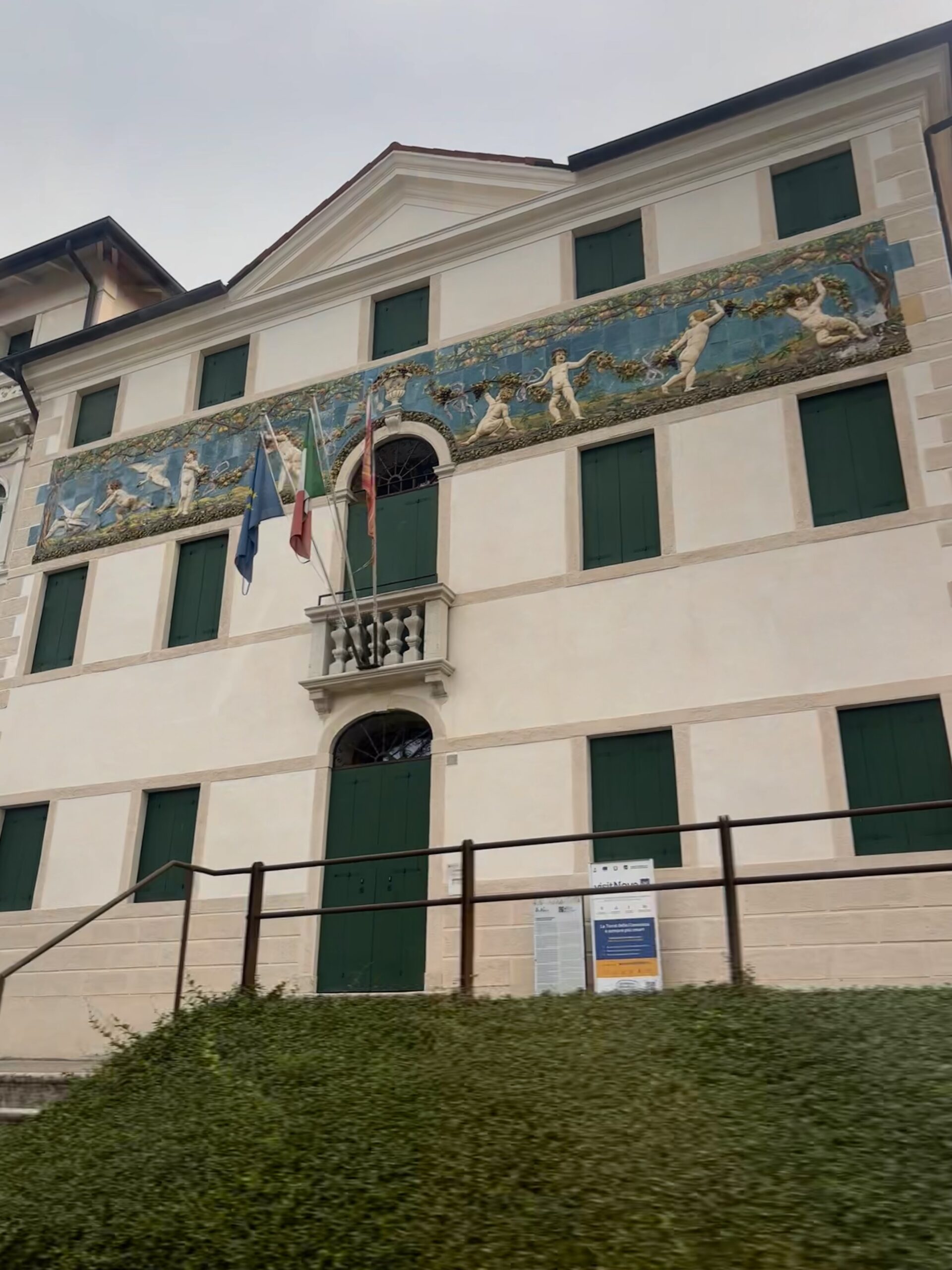
Boosted in the 18th century by the tax incentives of the Venetian Republic (La Serenissima) and enriched by raw materials from the nearby Asiago Plateau, this local art has evolved across generations, seamlessly pairing heritage with innovation. Today, this brilliant legacy is beautifully showcased at the Civic Museum of Ceramics and along the fascinating Open-Air Museum trail.
Perched on the right bank of the Brenta River, Nove takes its unique name from the “Terrae Novae” (new lands) reclaimed from the waters. The river has long been the lifeblood of its economic success, transforming Nove into a legendary “land of ceramics.” For centuries, the Brenta provided alluvial clay for the pottery mix, hydraulic power to turn the creative mills, and a natural highway for transporting timber and finished masterpieces.
Boosted in the 18th century by the tax incentives of the Venetian Republic (La Serenissima) and enriched by raw materials from the nearby Asiago Plateau, this local art has evolved across generations, seamlessly pairing heritage with innovation. Today, this brilliant legacy is beautifully showcased at the Civic Museum of Ceramics and along the fascinating Open-Air Museum trail.
Live Nove
Experiences
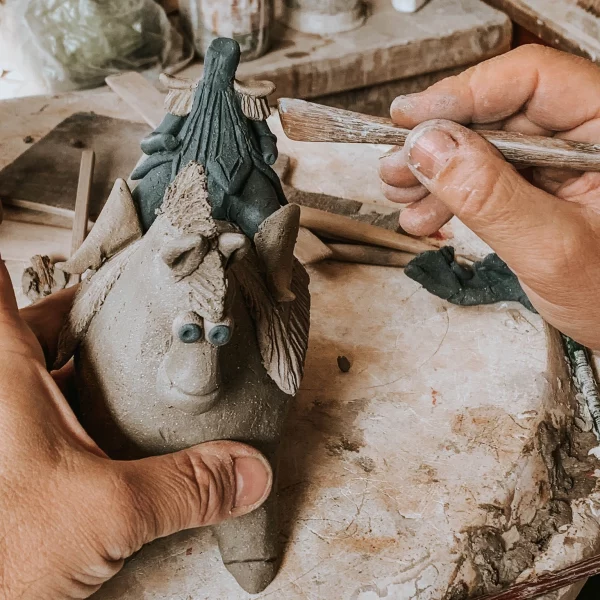
Shaping ceramic pots by hand
Discover the colorful world of the “Cuchi,” the traditional animal-shaped ceramic whistles from Nove, guided by the expertise of Master Artist Diego...
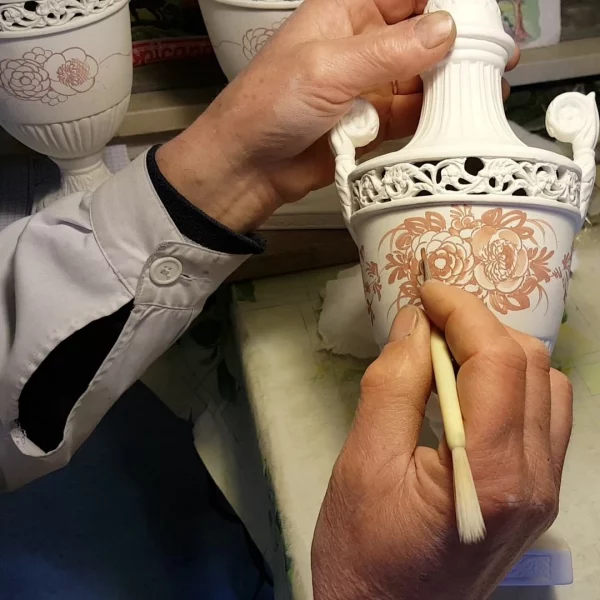
Paint your own fine ceramics!
Stepping through the doors of the historic Barettoni factory is like taking a true journey back in time, discovering a fascinating place...