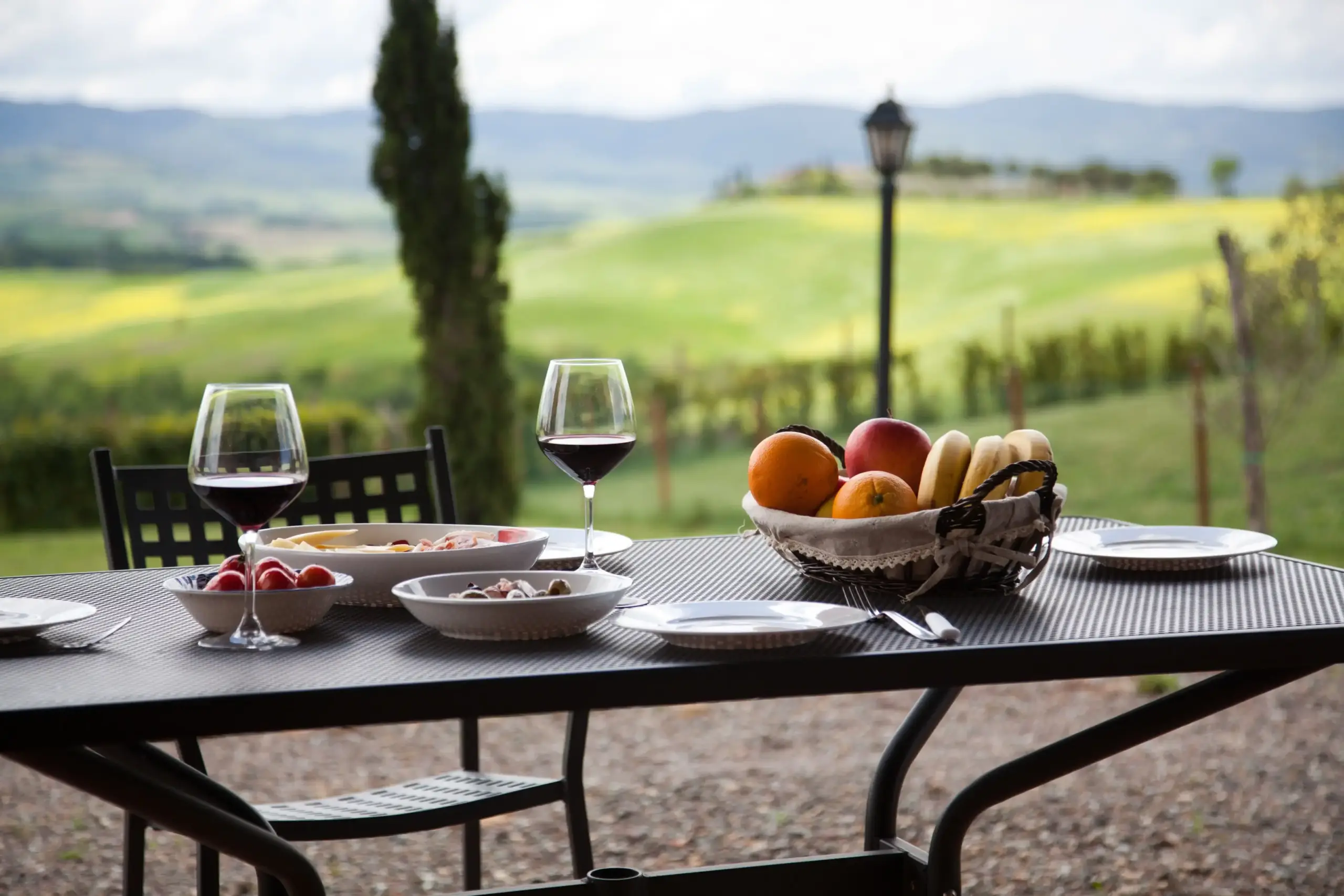
Between wine, olive groves and Palladian villas, a timeless landscape

From Palladio’s Rotonda to the DOC vineyards, between flat cycling paths and gravel routes along the ridges. A territory that unites art, architecture, winery tastings and contemplative nature.

A natural amphitheatre of limestone hills rises from the Venetian plain, its slopes planted with vines and olive trees, dotted with deciduous woods and rocky cliffs. Among these soft profiles stands out the Rotonda del Palladio, an absolute masterpiece of Renaissance architecture that engages in dialogue with the surrounding landscape like few other residences in the world.

The Berici territory winds between the Riviera Berica and the Val Liona, dotted with medieval villages, hidden hermitages and historic wineries. Here, Nanto stone gave shape to Palladio’s works, while native grape varieties such as Tai Rosso tell of a thousand-year-old winemaking vocation. A perfect balance between Venetian heritage and a deep rural identity.

Palladian Venetian villas and routes among historic residences
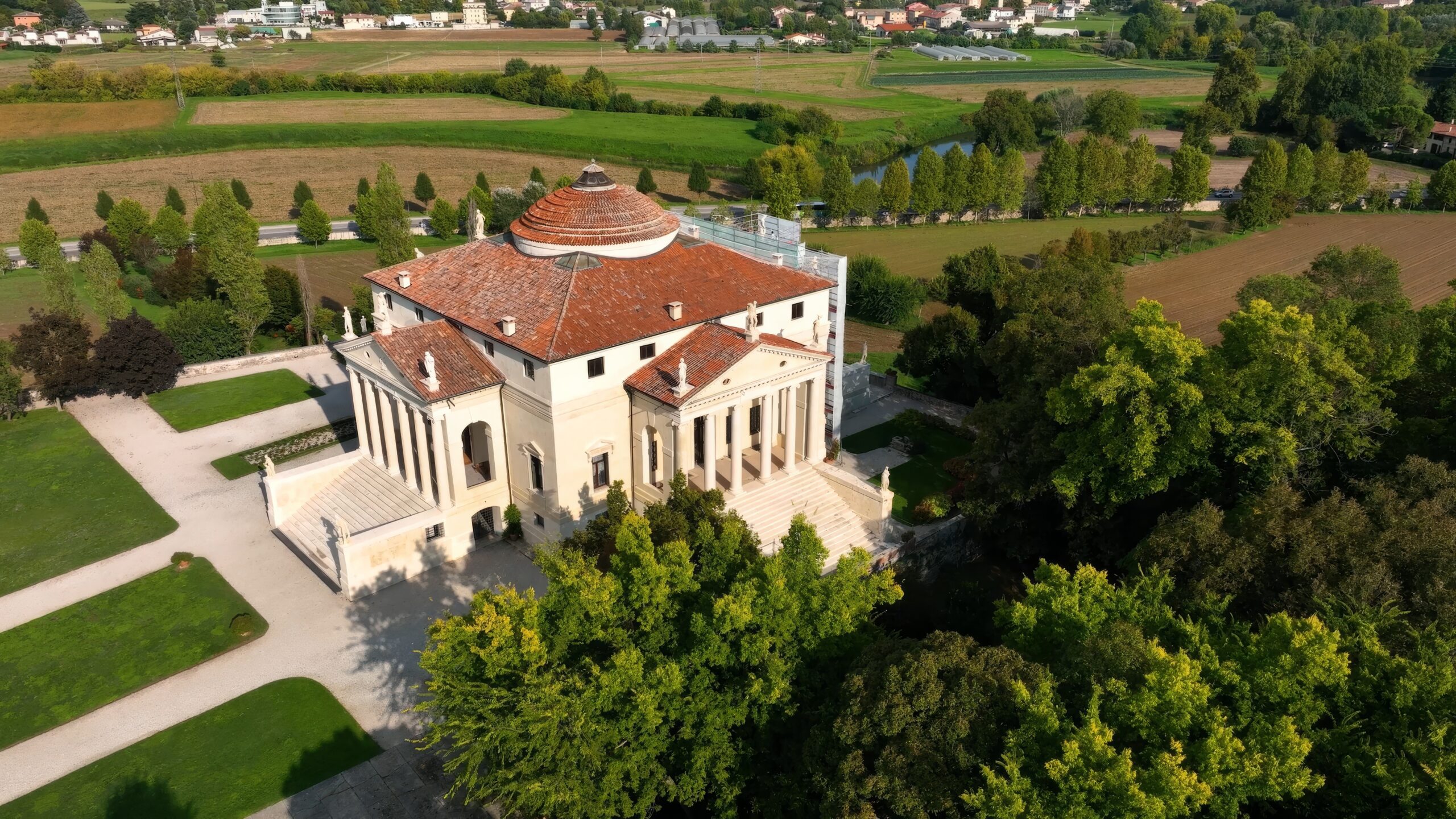
Palladian Venetian villas and routes among historic residences
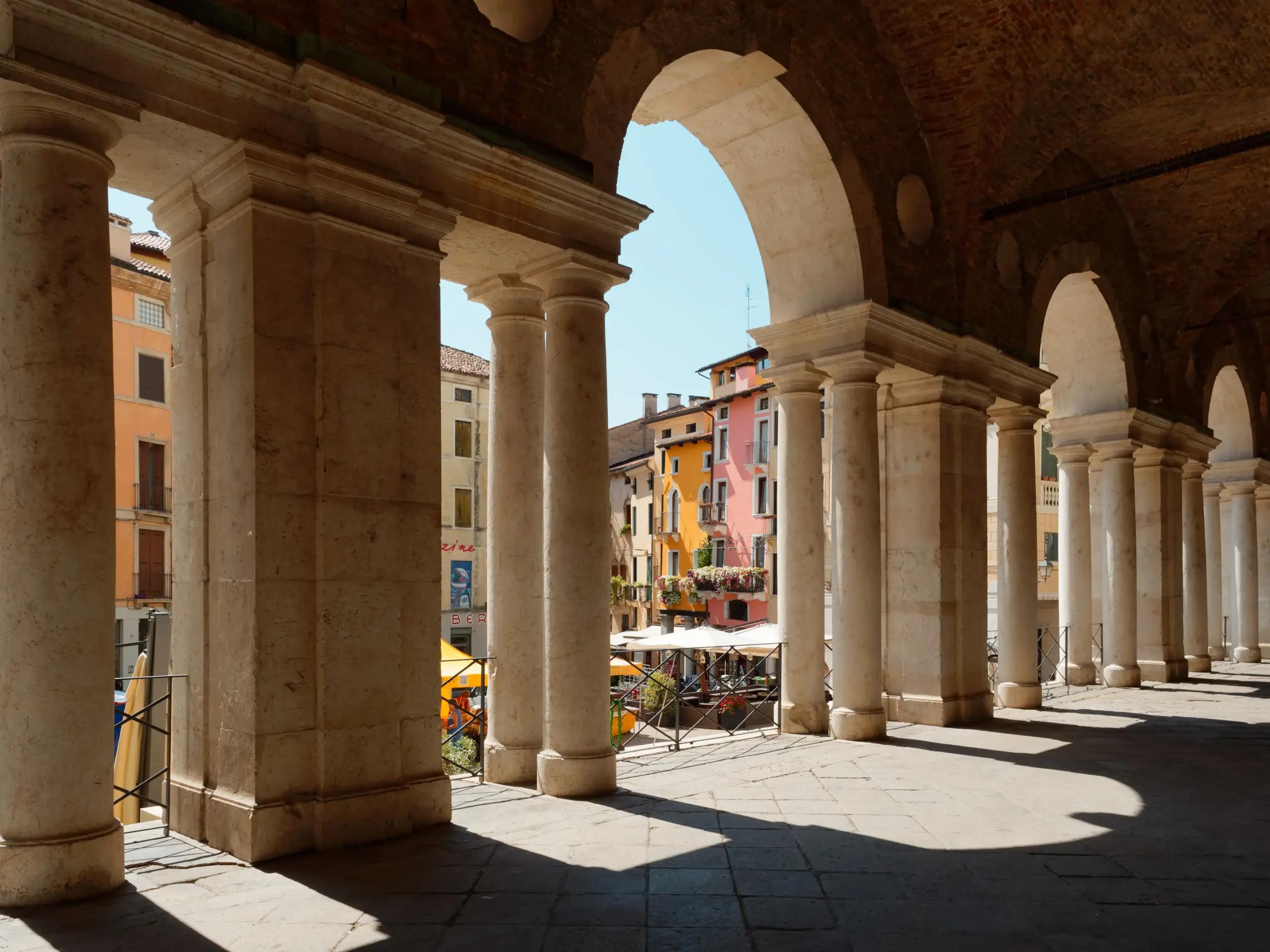
The Berici Hills are the cradle of Venetian Renaissance architecture, where Andrea Palladio left some of his most celebrated creations, starting with Villa Almerico Capra, known as La Rotonda, a UNESCO World Heritage Site and an icon of Western architecture. Its central Greek-cross plan and four identical façades create a harmony that has inspired generations of architects worldwide. Along the Riviera Berica one encounters Villa Valmarana ai Nani, famous for its frescoes by Giambattista and Giandomenico Tiepolo, Villa Pisani Bonetti in Bagnolo, an early work by Palladio, and Villa Saraceno in Agugliaro. Further inland, Villa Pojana dominates the countryside of Pojana Maggiore, while Villa Fracanzan Piovene in Orgiano tells the story of the eighteenth-century Veneto with frescoed halls and Italian-style gardens.
Each residence engages with the surrounding landscape through barchesse (farm annexes), dovecotes and terraced gardens. The route among these residences becomes a journey into Renaissance aesthetics, where the balance between architecture and nature reaches perfection. Many villas can be visited by appointment and host cultural events throughout the year.

The Riviera Berica cycle path among villas, vineyards and villages
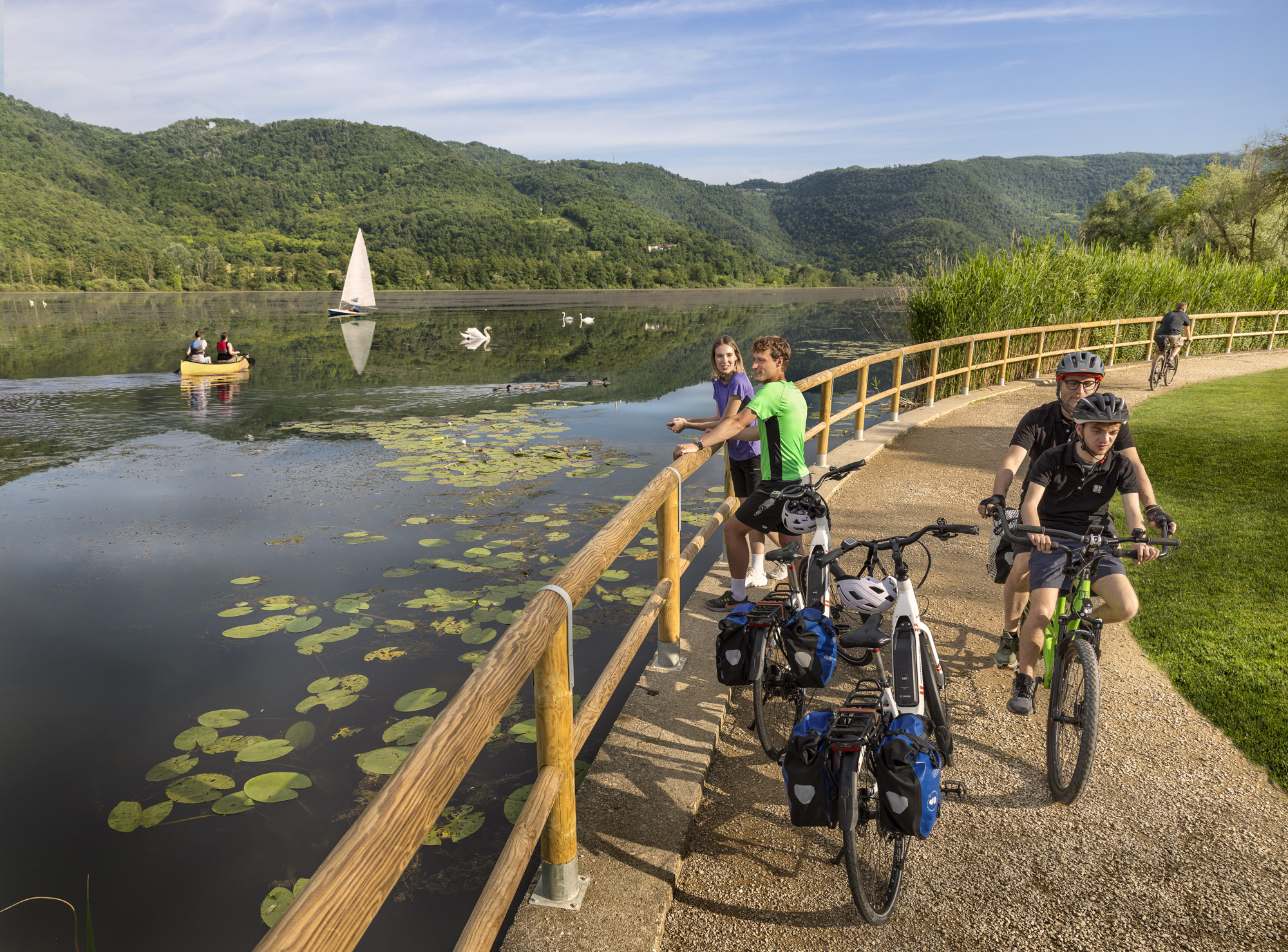
The Riviera Berica cycle path among villas, vineyards and villages
36 kilometres of fully flat paved track follow the route of the old Vicenza-Montagnana tramway. The Riviera Berica cycle path crosses 11 municipalities, tracing an itinerary between architecture and landscape that changes with every kilometre. It starts at the Arco delle Scalette in Vicenza, with La Rotonda overlooking the Valletta del Silenzio from above. The route runs alongside the Bacchiglione river as far as Longare, where a detour leads to the medieval village of Costozza, known for its natural caves and the historic villas of the Trento family. Beyond Castegnero, famous for its cherries, the route reaches Nanto with its quarries of yellowish limestone.
The path continues among cultivated fields and rows of mulberry trees, a reminder of the region’s historic silk-worm farming tradition. In Barbarano Vicentino, the route crosses the historic heart of the Berici countryside, while in Noventa Vicentina the path ends in front of Villa Barbarigo, today the town hall. Along the way, monumental fountains, old washhouses and villages overlooking the Bisatto canal alternate. The cycle path is perfect for families and connects with other routes such as the Anello dei Colli Euganei and the Strada dei Vini (Wine Road).

Tastings of Colli Berici DOC wines in the territory's wineries
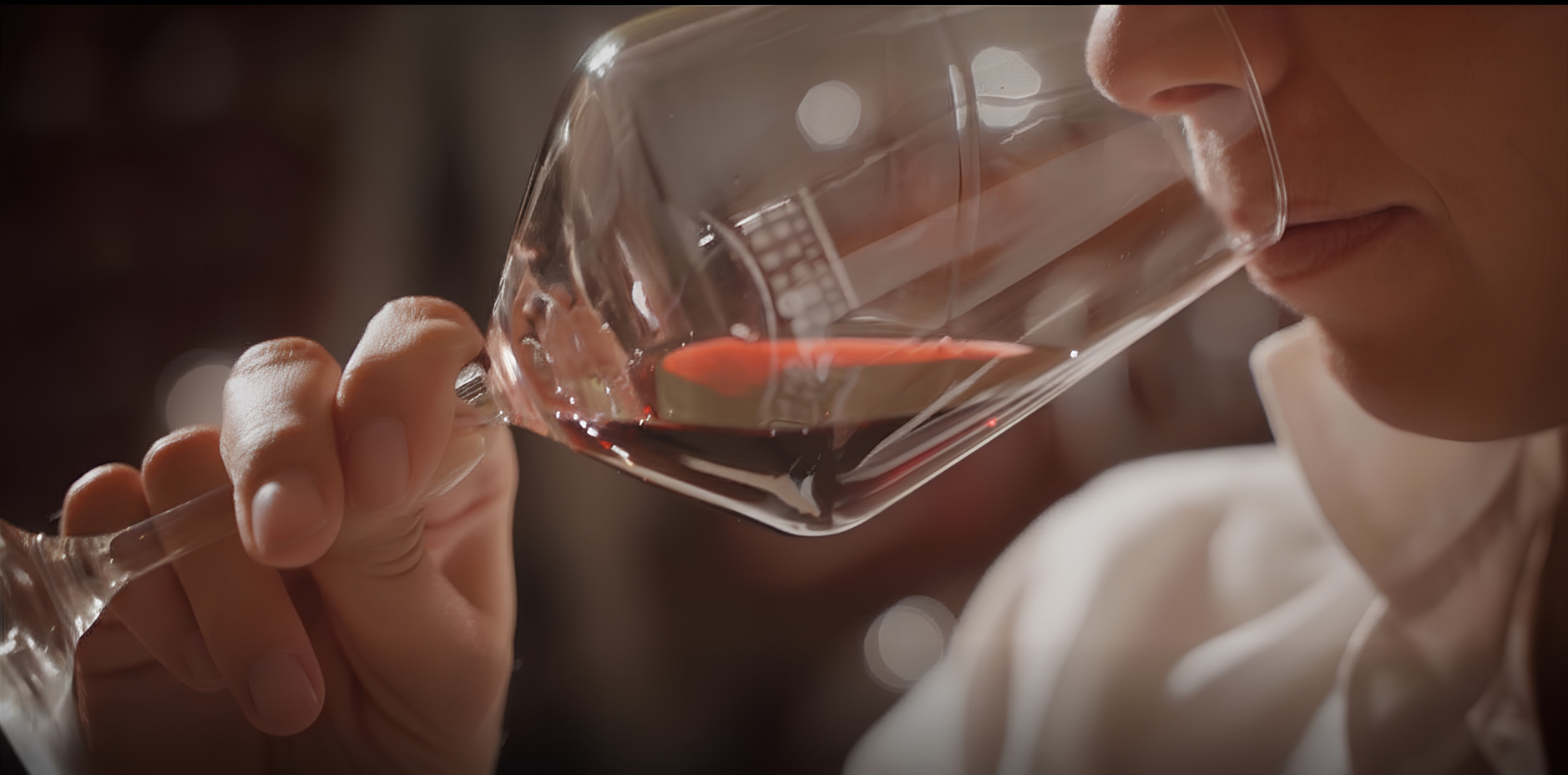
Tastings of Colli Berici DOC wines in the territory's wineries
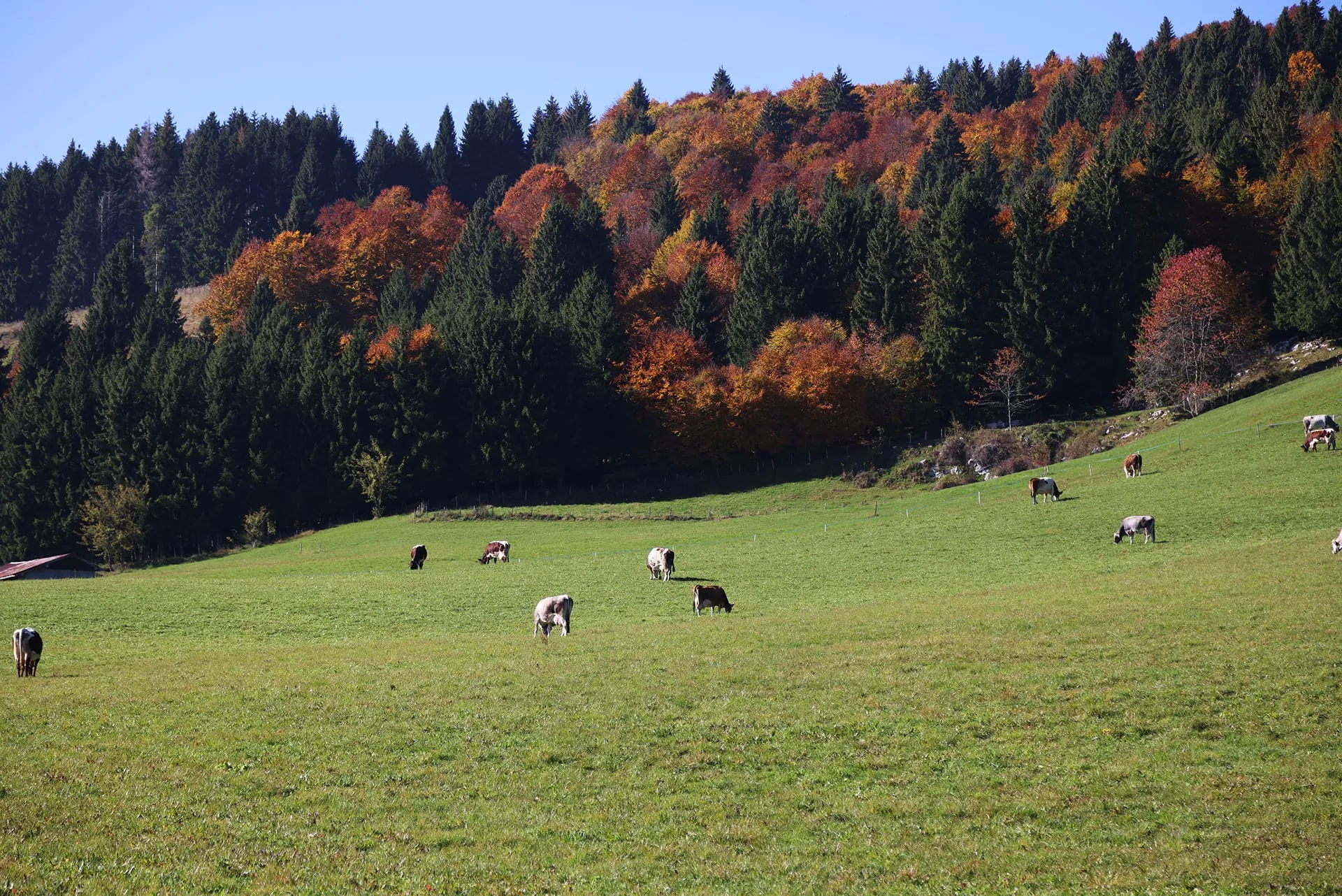
The Colli Berici DOC designation, established in 1973, represents one of this territory’s historic vocations. The limestone soils rich in iron oxide give the wines depth and mineral character. Over 3,000 hectares of vineyards produce full-bodied reds and aromatic whites. The signature grape variety is Tai Rosso, an ancient native variety with a fruity and spicy profile, perfect young or in its Riserva version. Alongside it, Cabernet, Merlot and Carmenère are cultivated, the latter having become a defining excellence of the area. Among the whites, Garganega and Pinot Bianco stand out.
Family-run wineries that tell the story of generations of winegrowers through tastings dedicated to Merlot and Cabernet open their doors for visits and tastings. There is plenty of choice between wineries offering food-and-wine experiences among vineyards that shape the rolling landscape, and guided tours through the aging cellars. The Wine Road connects the wineries in an itinerary winding through gentle hills and historic villages. Many producers pair their wines with local products such as cheeses, cured meats and Berico Euganeo DOP extra virgin olive oil.

Nature trails around Lake Fimon

Nature trails around Lake Fimon
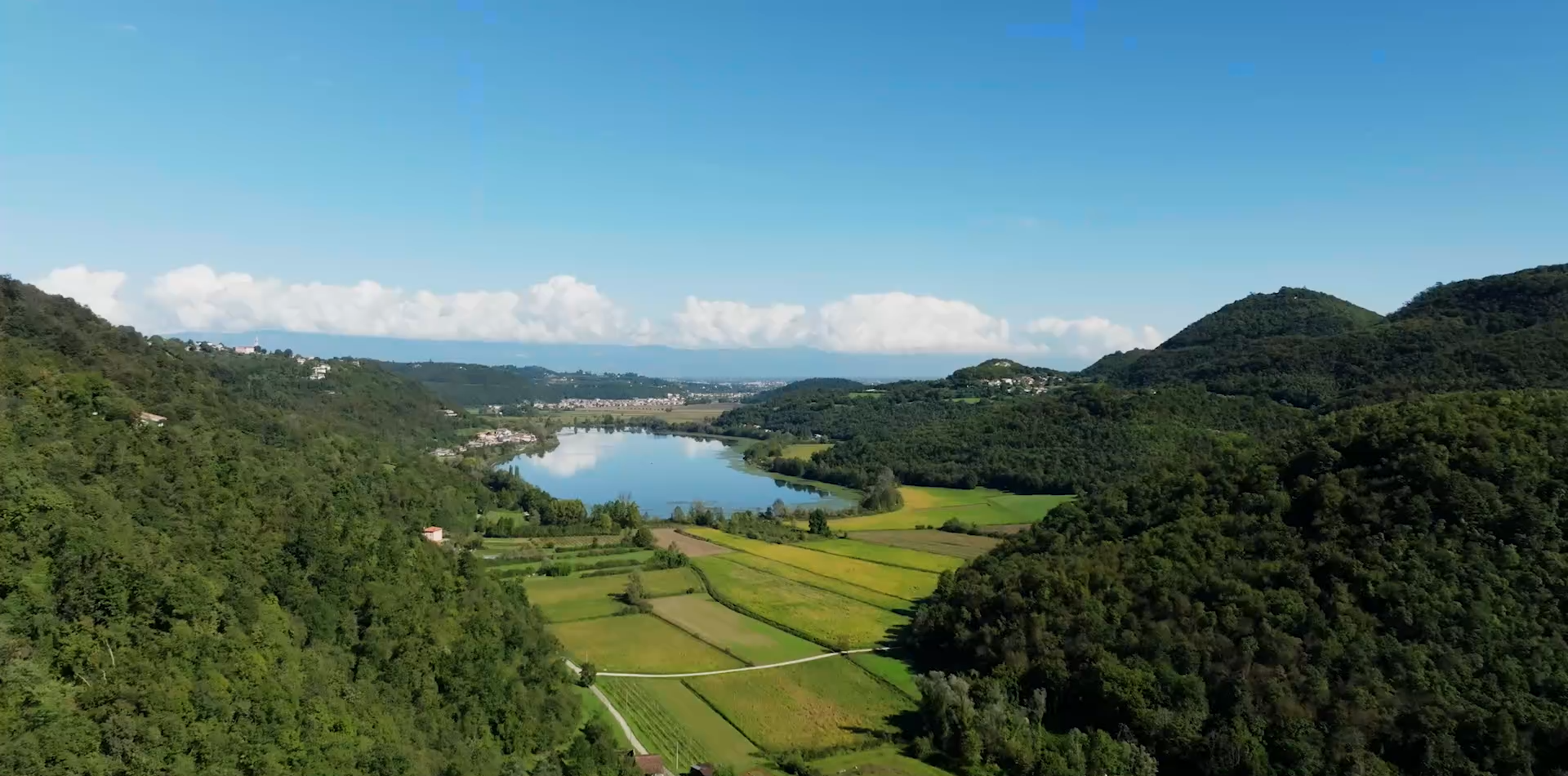
Lake Fimon is an ancient body of water some 35,000 years old, a glacial remnant nestled among the northern Berici hills. The lake environment is home to flora and fauna typical of wetlands, with reed beds, water lilies and the extremely rare water chestnut floating on the surface. 5 Nordic walking routes start from the second jetty and wind between the lake and the surrounding hills. The lower loop follows the shoreline for about four kilometres along flat unpaved paths, accessible even with prams. Longer routes climb to the Lapio plateau through woods of hornbeam and downy oak, or descend into the Valle dei Molini, where old rural buildings tell centuries of milling activity.
From the cycle path connecting Vicenza to the lake, trails branch off towards Pianezze, Chiesa Vecchia and Villabalzana. The surrounding area preserves important archaeological evidence: Neolithic pile-dwelling settlements and prehistoric fauna remains have been found in the peat bogs. The shores offer equipped areas for picnics and rest stops, while the waters are suitable for sport fishing. Grey herons, moorhens and swans populate the reed beds. The lake is an oasis of biodiversity just a few kilometres from the centre of Vicenza.

Gravel and e-bike routes among scenic roads and unpaved tracks
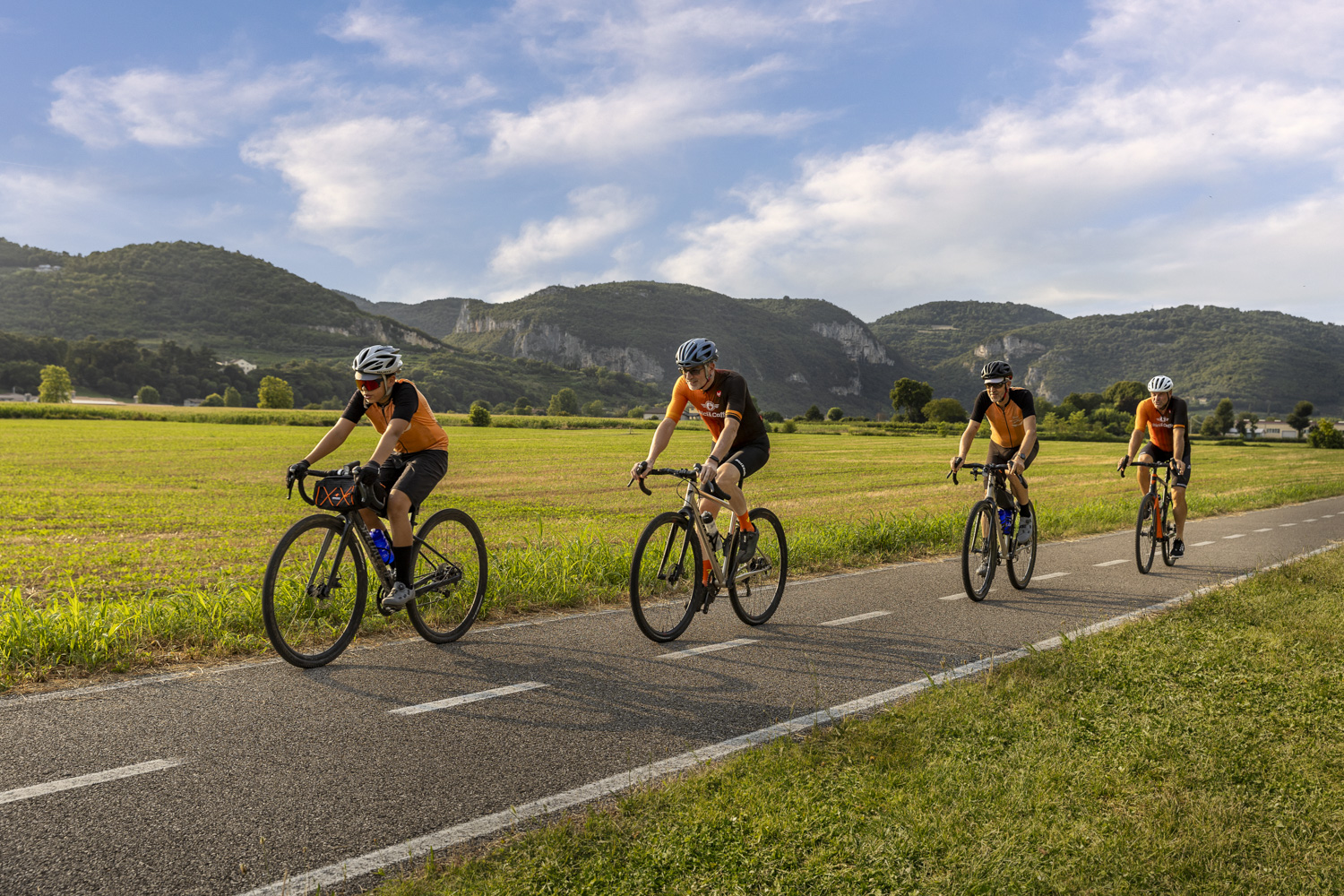
Gravel and e-bike routes among scenic roads and unpaved tracks
Berici Climbs has created Italy’s largest cycle-tourism park, with a hundred paved climbs and fifty unpaved ones. The gravel routes wind among cart tracks, white roads and scenic trails crossing woods, vineyards and quiet villages. The routes are divided by side: North, South, East and West. Each climb is classified by difficulty and gradient, with detailed elevation profiles. Green gradients stay under three percent, blue ones reach six, yellow ones touch nine, and red ones exceed fifteen. Each route is marked with dedicated signage and geolocated reference points. The network includes fifty-three loop itineraries connecting the climbs through ever-changing variations.
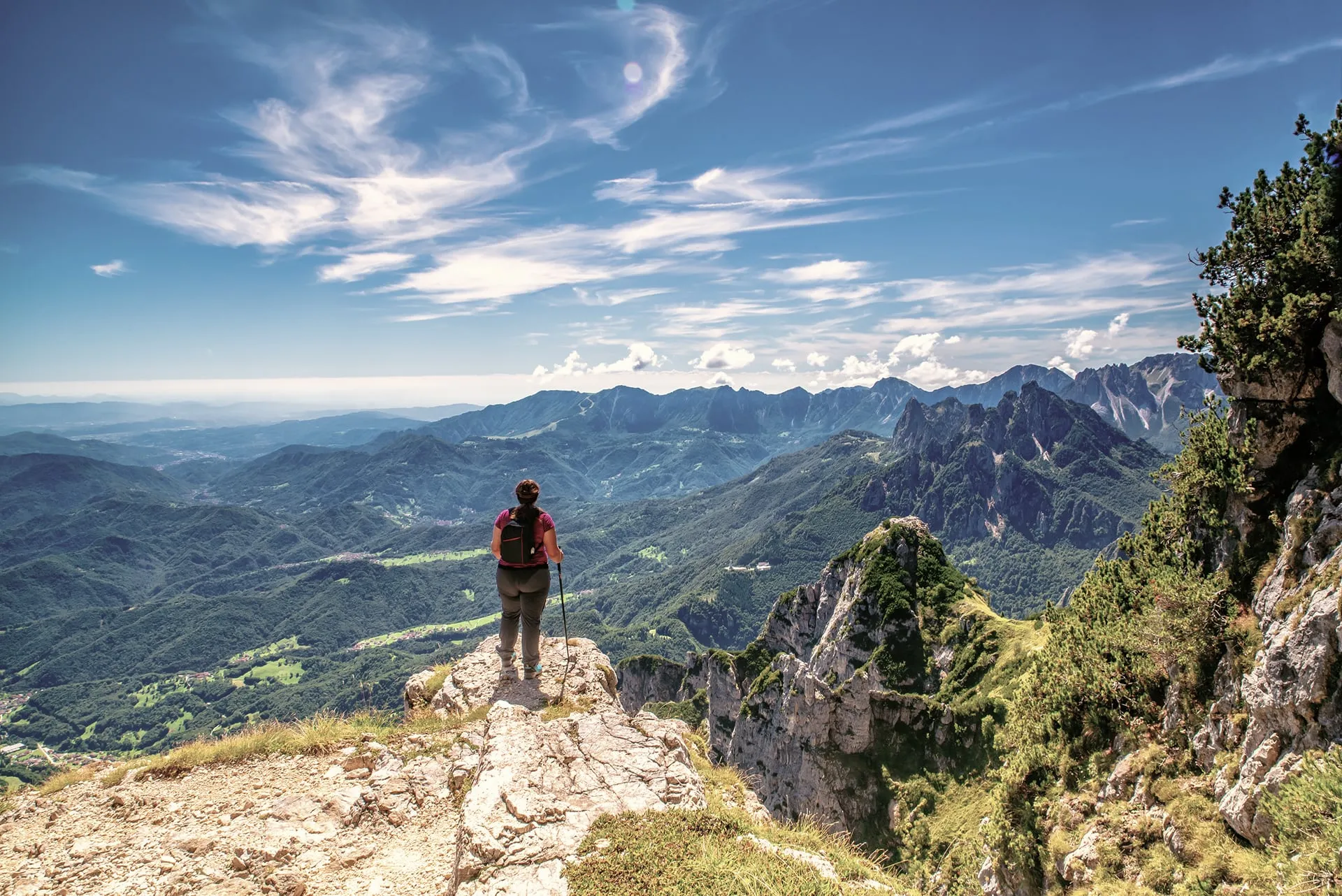
Technical stretches over uneven ground alternate with long scenic diagonals where the eye takes in the Euganean Hills and the Prealps. Along the routes, one comes across historic fountains, hidden hermitages and votive shrines. E-bikes make it possible to tackle the more demanding elevation gains while fully enjoying the landscape. Numerous refreshment points offer stops for tastings and recharging. The project also places particular attention on road safety, with awareness campaigns and dedicated signage to promote the coexistence of cyclists and motorists.