Rock, silence and vertigo at the edge of the plain

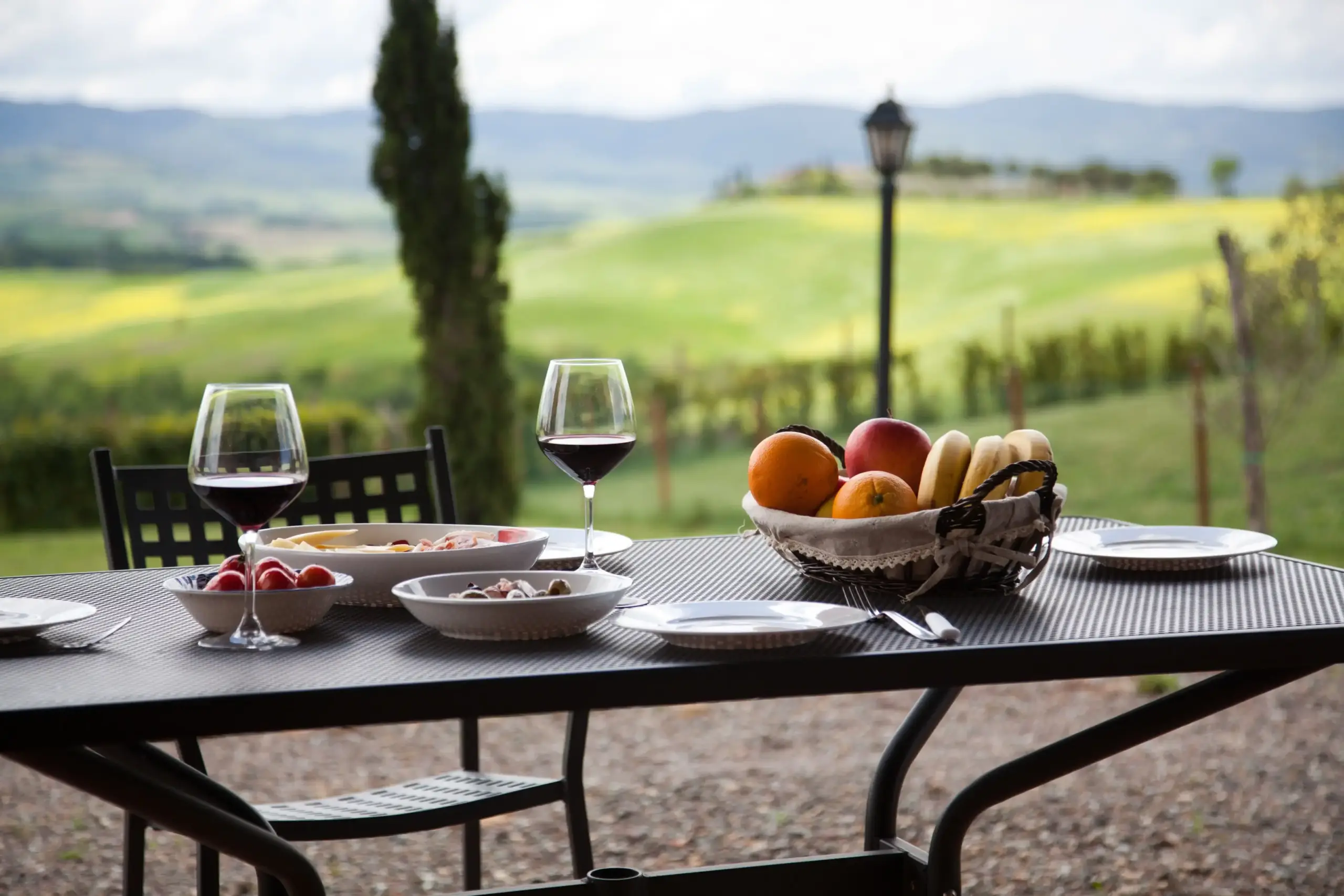
Wild high mountains where historic trails alternate with vertical rock faces. Authentic villages that live to the rhythm of nature. Genuine flavours in mountain huts and hamlet trattorias.

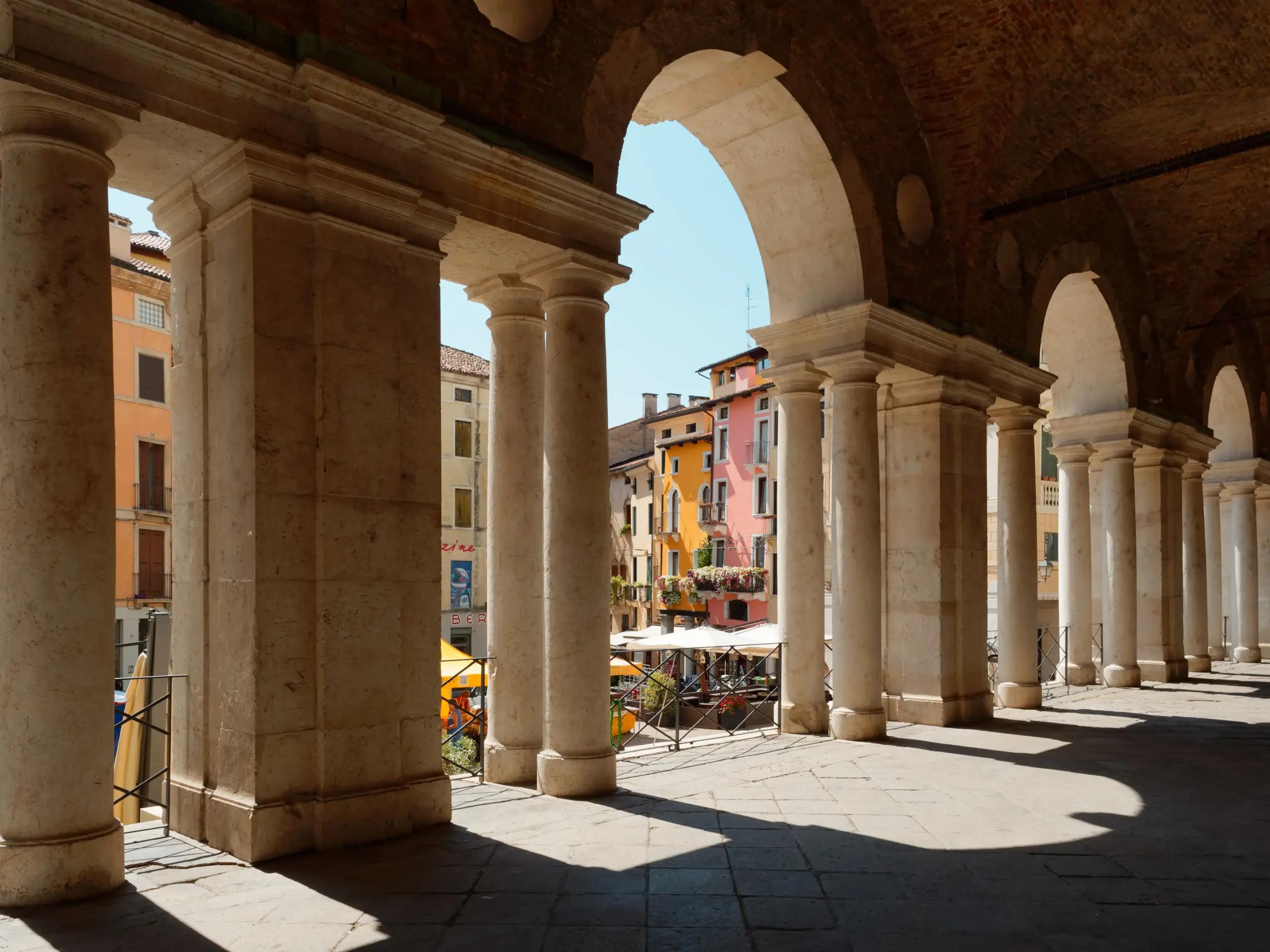
The Strada delle 52 Gallerie climbs steeply through hairpin bends carved into the rock, a silent witness to the Great War. In Recoaro Terme, Art Nouveau elegance embraces healing springs known for centuries. On Mount Carega, climbing routes challenge experienced mountaineers, while Val Posina preserves corners of untouched nature. At Parco Rossi in Santorso, historic villas tell the story of Vicenza’s industrial archaeology.

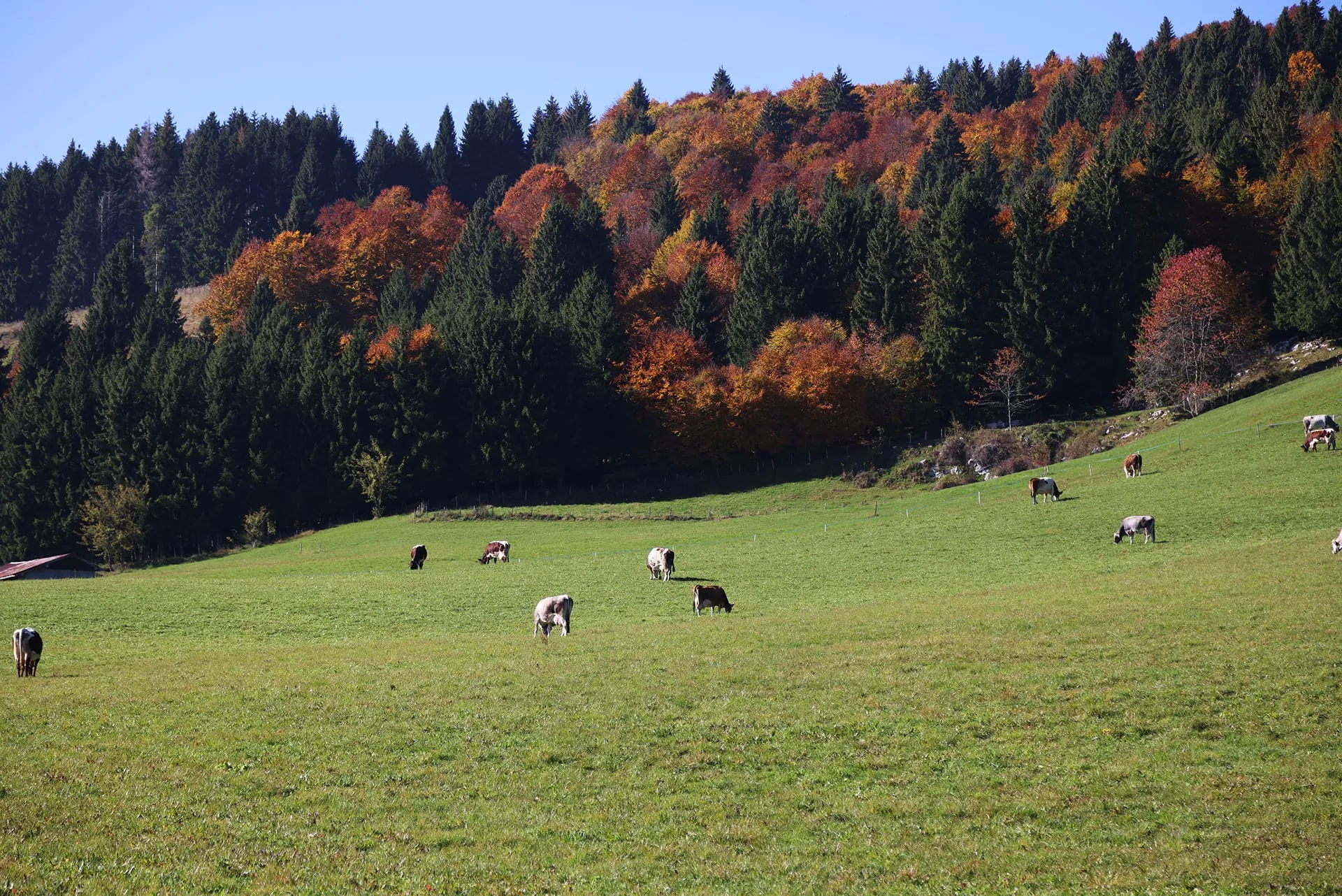
In the Astico canyons, crystal-clear water invites refreshing dips among smoothed rocks. The hamlets of Valdastico look out over pastures where family-run mountain huts serve freshly made cheeses. Challenging cycling climbs between Monte di Malo and Passo Xovo cross silent villages and breathtaking views. Farm-to-table cuisine in hamlet trattorias, where every dish tells the story of the land.

The Strada delle 52 Gallerie and the Great War itineraries
The Strada delle 52 Gallerie and the Great War itineraries
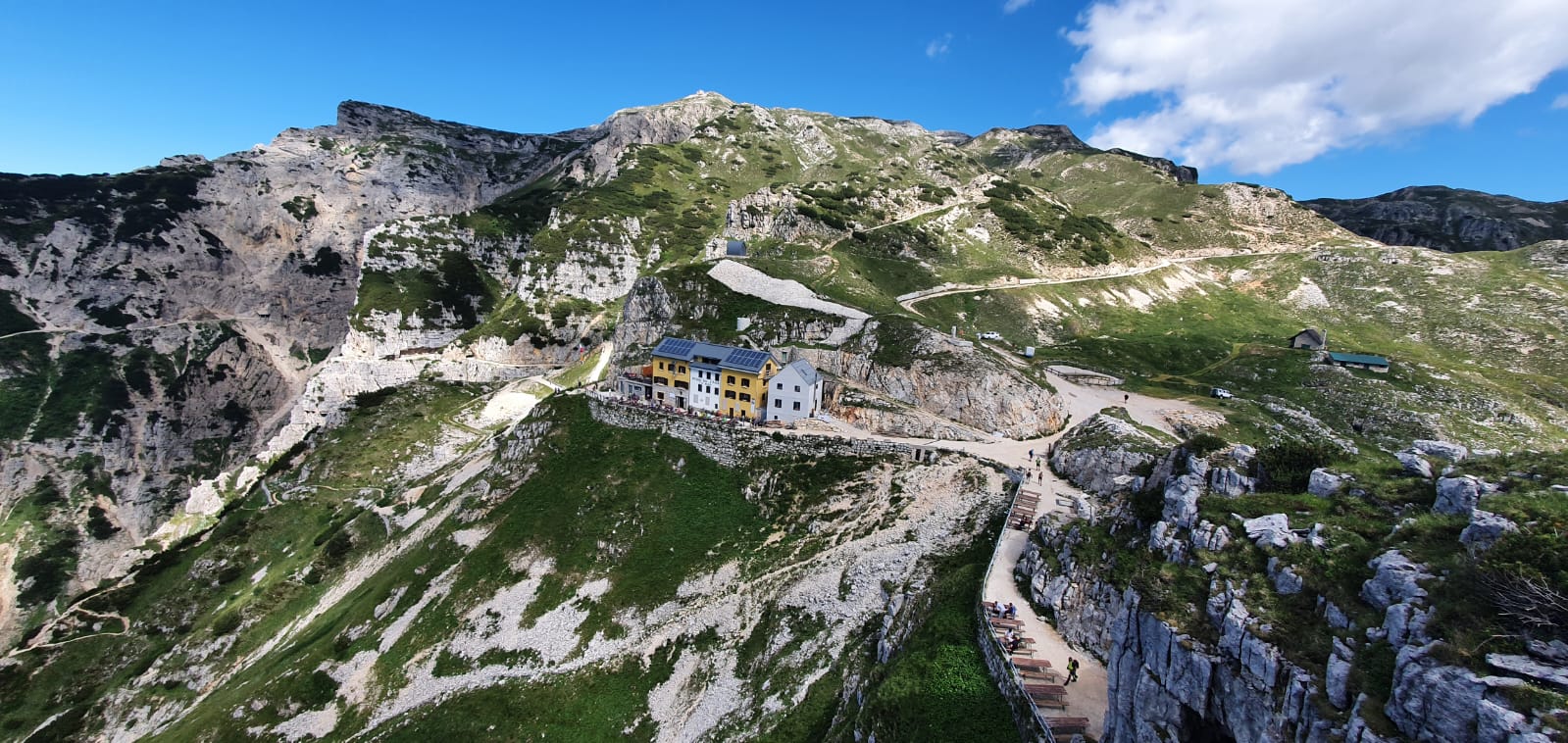
The Strada delle 52 Gallerie is a masterpiece of military engineering built in just nine months during 1917. This mule track carved into the rock of Mount Pasubio allowed Italian troops on the summit to be supplied while sheltered from Austro-Hungarian fire. The route begins at Bocchetta Campiglia, at 1,216 metres, and climbs to the Porte del Pasubio at 1,934 metres. Six kilometres in total, more than two of which run through galleries carved out of limestone, alternating with stretches cut into the mountainside above vertiginous drops. The most spectacular galleries are the nineteenth and twentieth, which spiral around themselves in ascending loops through the rock. Each gallery bears a name dedicated to a city, military unit or event of the war.
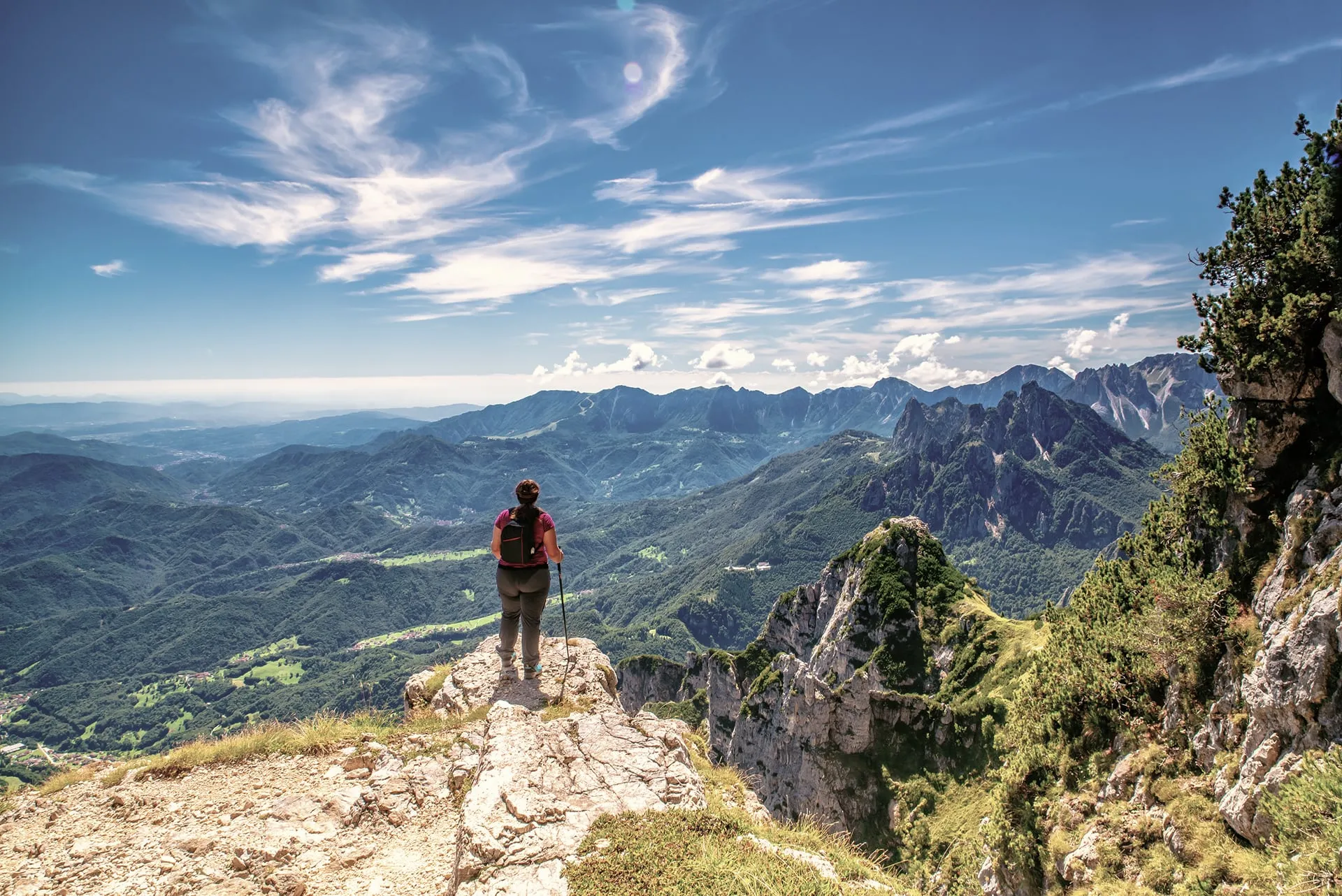
The route requires good physical fitness and proper mountain footwear. From the Rifugio Papa at the summit, the view stretches from the Venetian plain to the lagoon, and from the Adamello glaciers to the Dolomites. Numerous wartime remains dot the massif: trenches, artillery positions, caves converted into underground barracks. Other historic trails cross Pasubio from every side. The Alta Via della Grande Guerra connects the four Vicenza war memorials over two hundred kilometres of paths woven between history and landscape. The Strada degli Scarubbi offers an easier alternative for the descent from the summit.

Mountain hamlets and authentic rural tourism experiences
Mountain hamlets and authentic rural tourism experiences
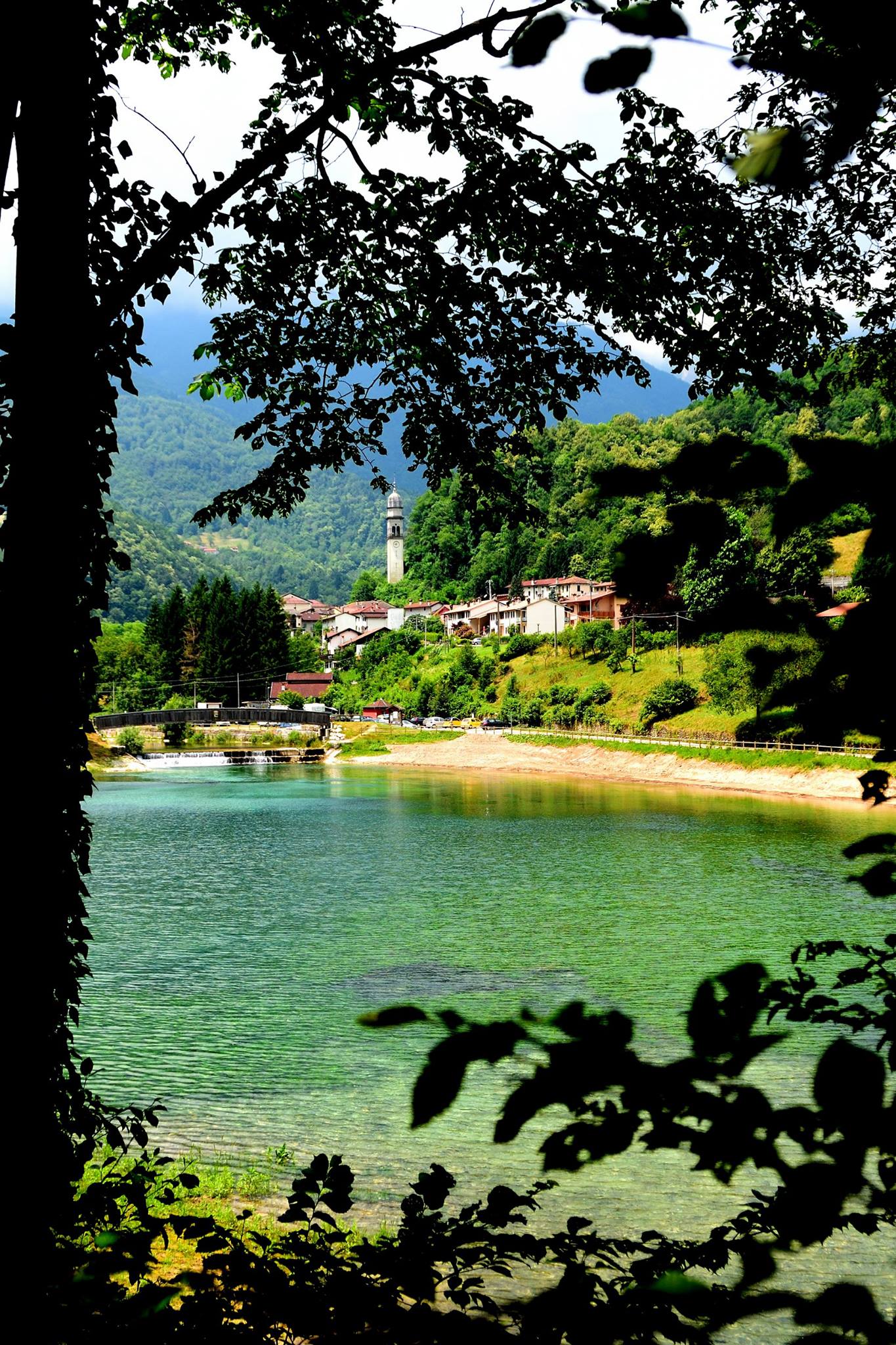
Val Posina preserves alpine hamlets where authentic mountain life still resists the passage of time. Small clusters of homes clinging to the slopes retain traditional stone-and-wood architecture. The Sentiero delle Contrade trail crosses Biasi di Sotto, Biasi di Sopra, Polenta, Xausa and Laba, through terraces reclaimed from the woods. Once, mothers would tie their infants to trees while working the steep fields. Today, fountains and wayside shrines poetically tell the story of abandonment and return. Information panels explain traditional farming practices and rural architecture. The small Main lake in Posina offers walks immersed in greenery.
The valley produces typical scalda and fasola beans, potatoes and mountain vegetables. Local cuisine celebrates hand-made potato gnocchi and artisanal sopressa salami. The Festa della Montagna keeps traditions alive with markets, demonstrations of ancient crafts and tastings. Valdastico and Tonezza del Cimone offer trails through beech woods and mountain huts. The hamlets are home to small, family-run agritourism farms where visitors can discover slow rhythms and genuine flavours far from mass tourism.

Valdastico: emerald gorges and authentic nature
Valdastico: emerald gorges and authentic nature
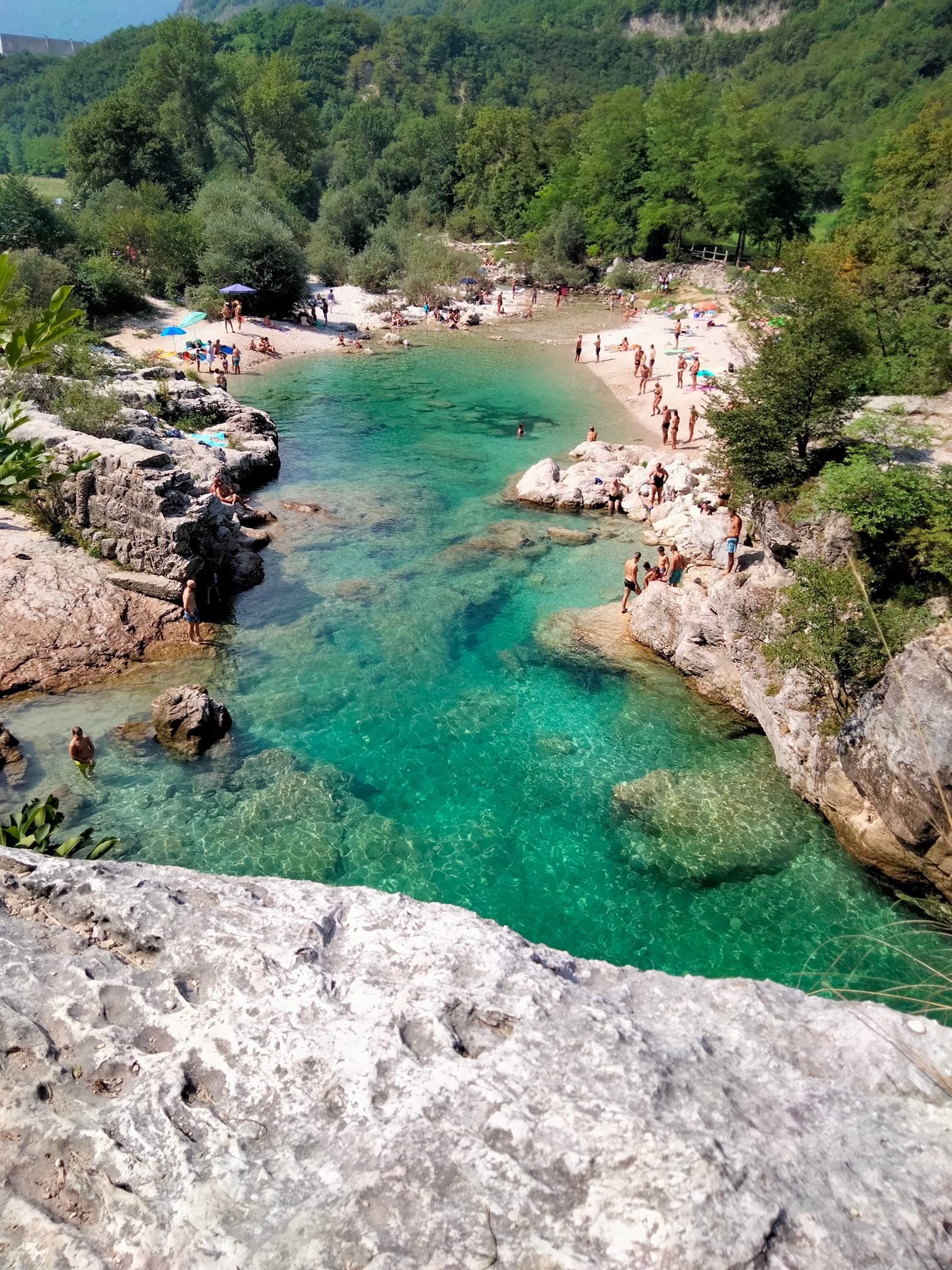
Valdastico is a territory of hamlets scattered among woods and pastures, where time seems to have stopped in a slower age. Contrada Laghi has become famous on social media for its bucolic views: stone cabins, well-tended vegetable gardens, free-roaming chickens and panoramas embracing the entire valley. Here, families preserve farming traditions and prepare cheeses and cured meats following recipes handed down through generations. The Astico canyon embodies the wild soul of this area: emerald-green water flows through narrow, deep gorges, carving the limestone rock into spectacular shapes. In summer, natural pools become cool swimming spots surrounded by walls dozens of metres high.
The trail that runs alongside the stream alternates easy stretches with more technical passages, always immersed in lush vegetation. Historic hamlets dot the entire valley: tiny settlements, often reachable only on foot, where hospitality is spontaneous and genuine. In hamlet trattorias, menus change with the seasons: mushrooms and game in autumn, garden vegetables in summer, polenta with local cheeses all year round. Tranquillity here isn’t an option but a natural condition, far from frenzy and mass tourism.

Mount Carega and Pian delle Fugazze

Mount Carega and Pian delle Fugazze
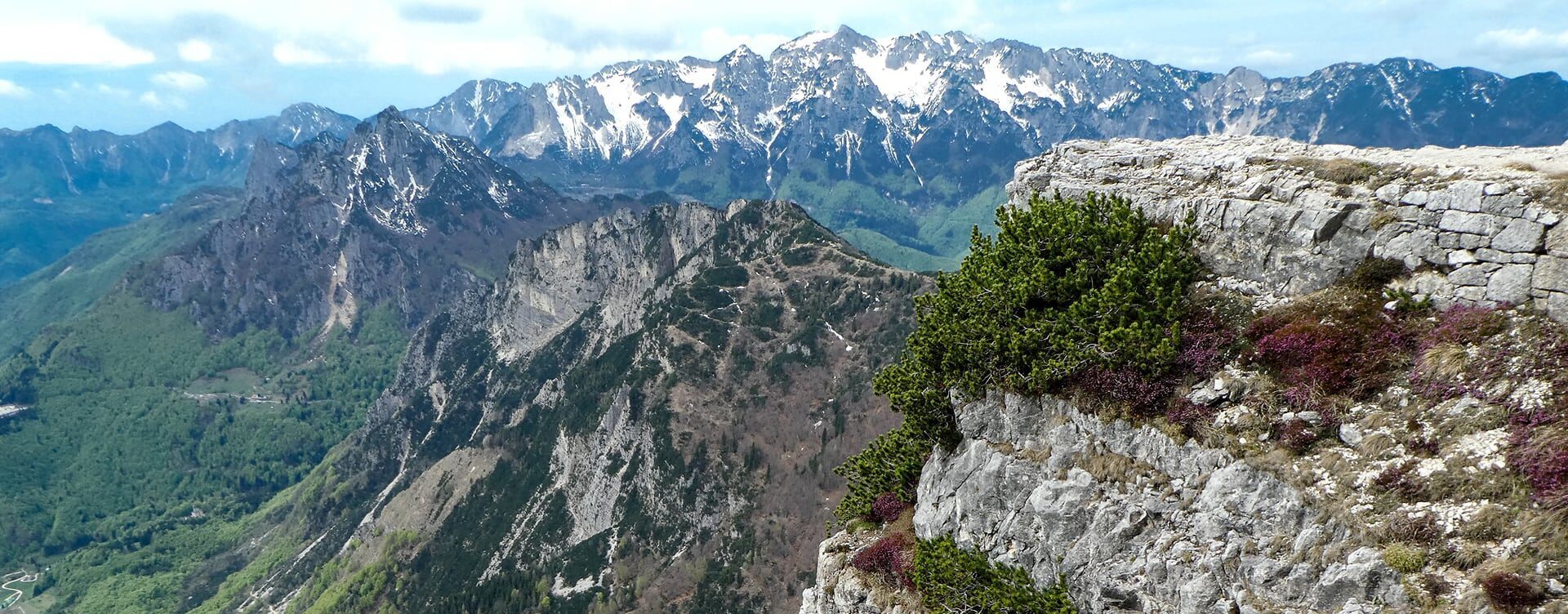
The Carega massif, standing at 2,259 metres, dominates the Small Dolomites with vertical rock faces and sharp ridges that challenge experienced climbers. The climbing routes on the south face are considered among the finest in the Vicenza area: solid rock, excellent sun exposure and elevation gains exceeding 400 metres. The Gusella del VescovĂ , with its jagged profile, is the photographic icon of this limestone mountain, whose geological formation recalls the eastern Dolomites. Pian delle Fugazze, at 1,162 metres, is the crossroads between Vallarsa and Recoaro: a grassy plateau where hiking trails suited to all levels of preparation begin.
Walks among mountain huts and First World War trenches are also accessible to families, with modest elevation gains and views stretching as far as Lake Garda on clear days. The Rifugio Campogrosso offers hospitality and mountain cuisine a short distance from the pass. For those seeking true high mountains, CAI trails climb towards secondary peaks such as Monte Pasubio and Monte Maggio: demanding routes across scree slopes and exposed ridges, where via ferrata equipment and experience are essential. Wildlife includes chamois, eagles and marmots, most visible at dawn.

Cycling climbs through silent valleys
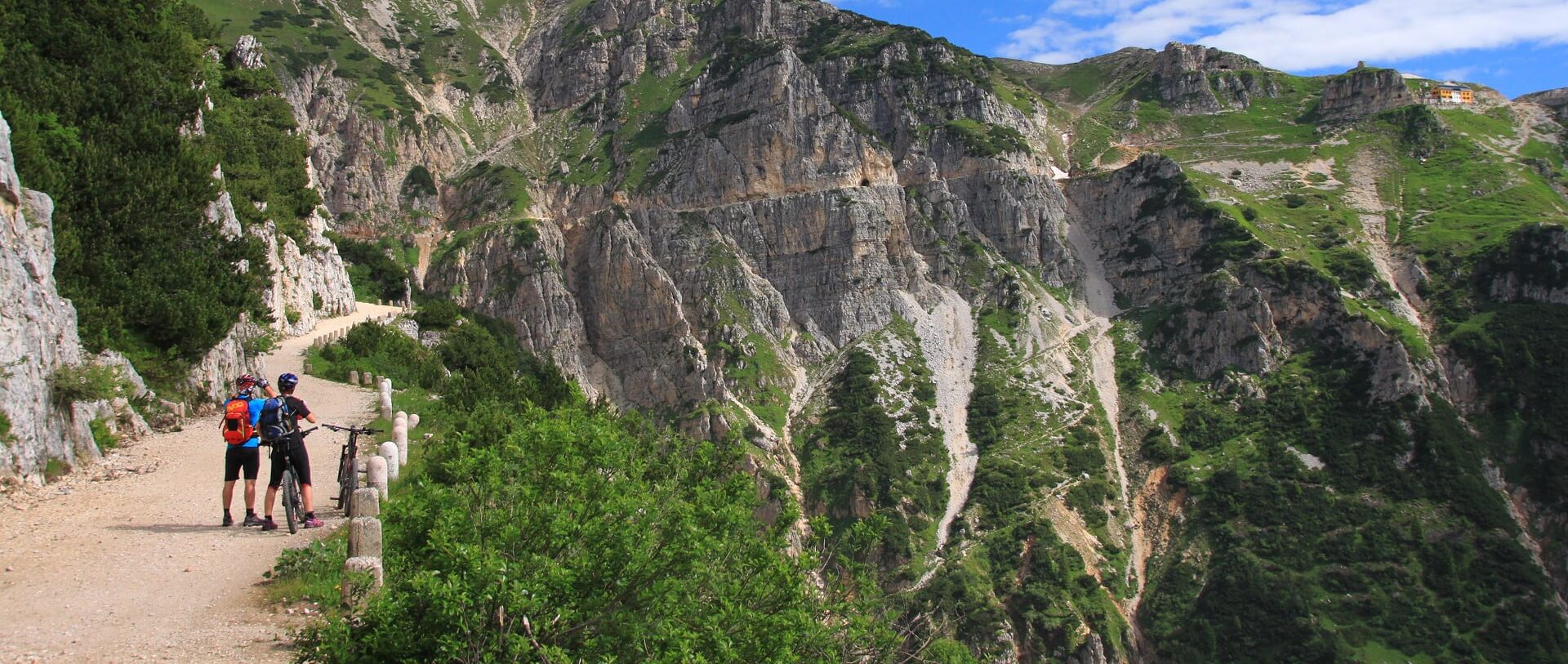
Cycling climbs through silent valleys
The roads climbing towards Monte di Malo, Monte Summano and Passo Xovo have become sought-after destinations for cyclists seeking authentic challenges away from traffic. Gradients approaching 15%, tight hairpin bends and narrow tarmac create demanding climbs where even the most trained athletes find the right stimulus. The climb to Summano from Santorso gains 700 metres of elevation in just over 10 kilometres: a route that offers no respite but rewards riders with sweeping views over the Vicenza plain. Passo Xovo, between Recoaro and Schio, is a classic of local gran fondo events: secondary roads crossing beech woods and small hamlets, where car traffic is minimal and silence is broken only by birdsong.
During the climbs, stops in the hamlets allow riders to refuel with local products: mountain-hut cheeses, cured meats, home-baked bread and local wine. Family-run trattorias prepare simple but hearty dishes, ideal for recharging before the descent. Here, cycling still retains its purest dimension: effort, landscape and genuine flavours, without touristic mediation.