Between Monte Grappa and the Brenta: history, nature and adrenaline

Gentle hills and well-ordered plains preserve Venetian villas and authentic villages. The Civic Museum of Bassano tells centuries of art and ceramics, while vineyards produce fine wines on sun-drenched slopes.

The Monte Grappa massif dominates a territory that tells a century of history through trenches, war memorials and tunnels carved into the rock. At its foot, Bassano is home to the Ponte degli Alpini, a symbol of soldiers’ passage towards the front, while the Valbrenta offers breathtaking descents through canyons and the river’s fast-flowing waters.

Marostica enchants with its living chessboard and perfectly preserved medieval walls. The territory stretches between cherry-covered hills, the vineyards of Valsugana and a plain dotted with villas. Here, grappa has been produced for centuries with artisan skill in historic distilleries, while local products celebrate an authentic farming tradition.

The Ponte degli Alpini and the historic centre of Bassano
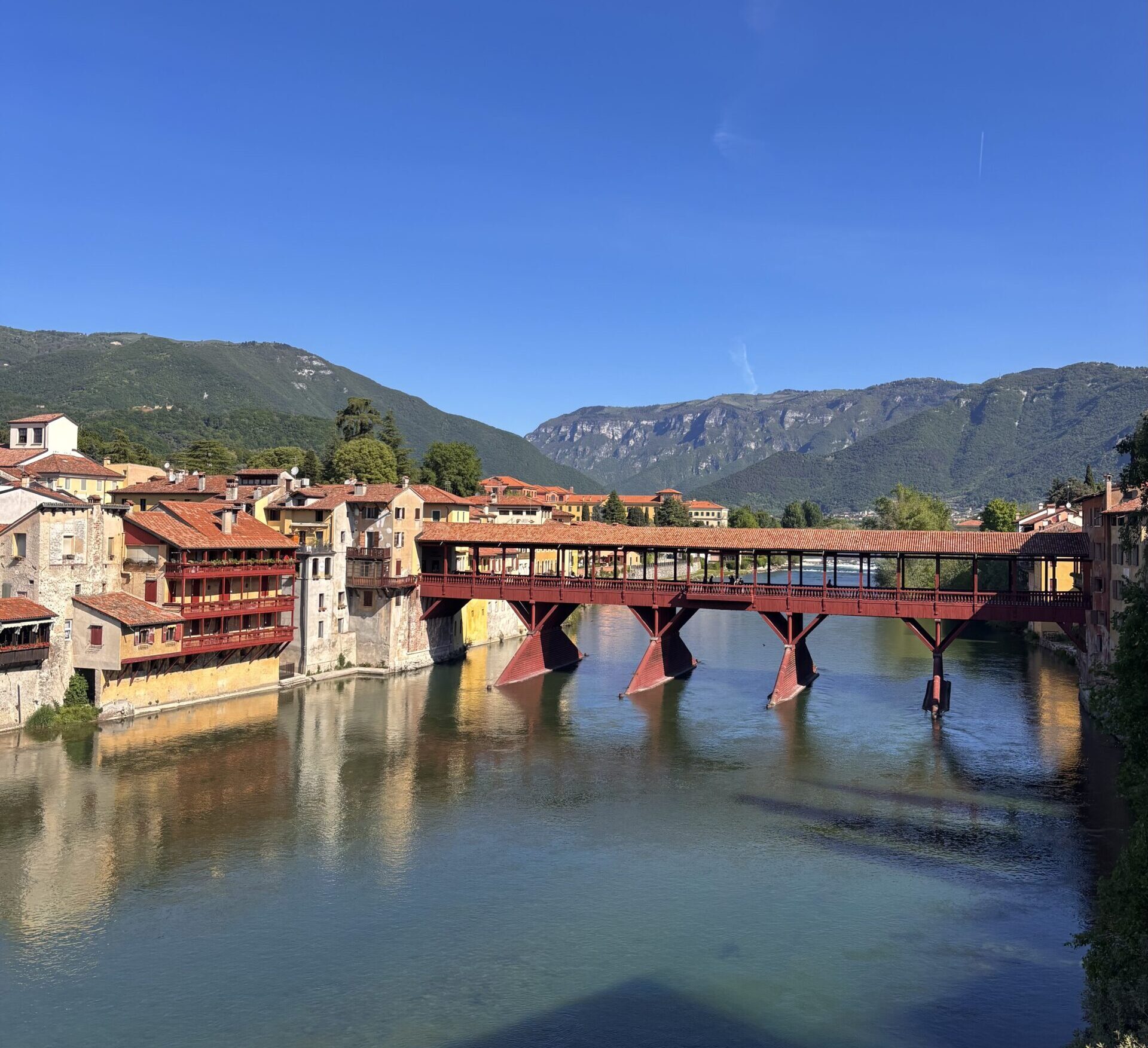
The Ponte degli Alpini and the historic centre of Bassano
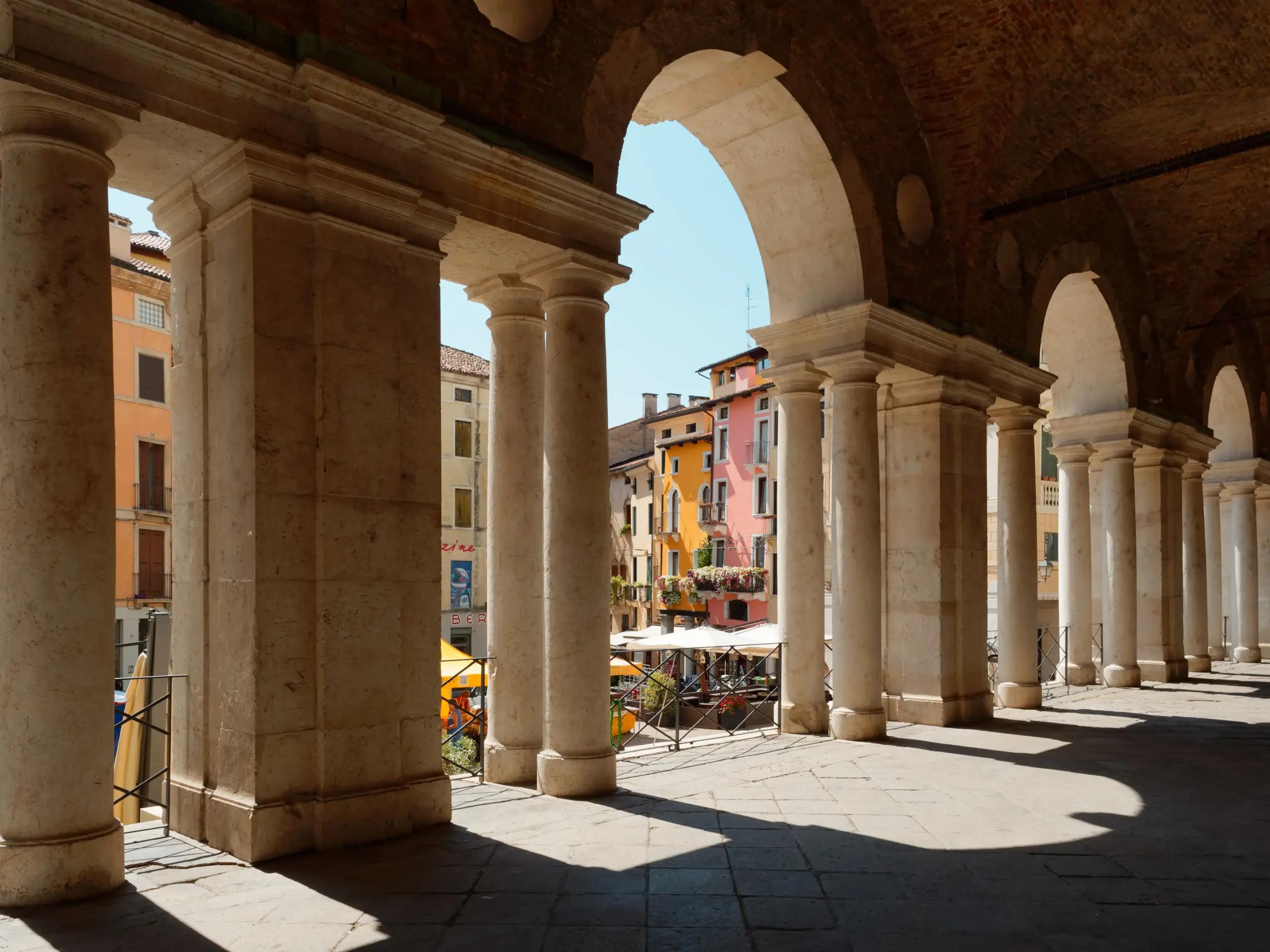
The Ponte Vecchio has crossed the Brenta on a Palladian design since 1569. Rebuilt several times after floods and bombings, it owes its current name to the Alpini corps, who restored it after the Second World War. A covered wooden structure with colourful houses along its sides, it stands as the symbol of the city and of Alpine memory. Beside its entrance stands the historic Grapperia Nardini, open since 1775, while on the other side the statue of the Alpino soldier with his sweetheart recalls the sorrowful farewells towards the front. The Museo degli Alpini tells the enduring bond between the city and the military corps that passed through here during the Great War. The historic centre unfolds around Piazza Libertà and Piazza Garibaldi, with medieval porticoes, frescoed palaces and historic shops.
Palazzo Sturm houses the Ceramics Museum, documenting Bassano’s centuries-old craft tradition, with brightly coloured majolica exported across Europe since the eighteenth century. Via Roma and Via Da Ponte are lined with local craft shops, wine bars and grapperie. The porticoed loggias create an intimate atmosphere in which to discover the famous baccalà alla vicentina, white asparagus and decorated ceramics. The city is easily explored on foot, with glimpses of the Brenta and views of the Prealps in the background.

The Great War trails and the war memorials of Monte Grappa
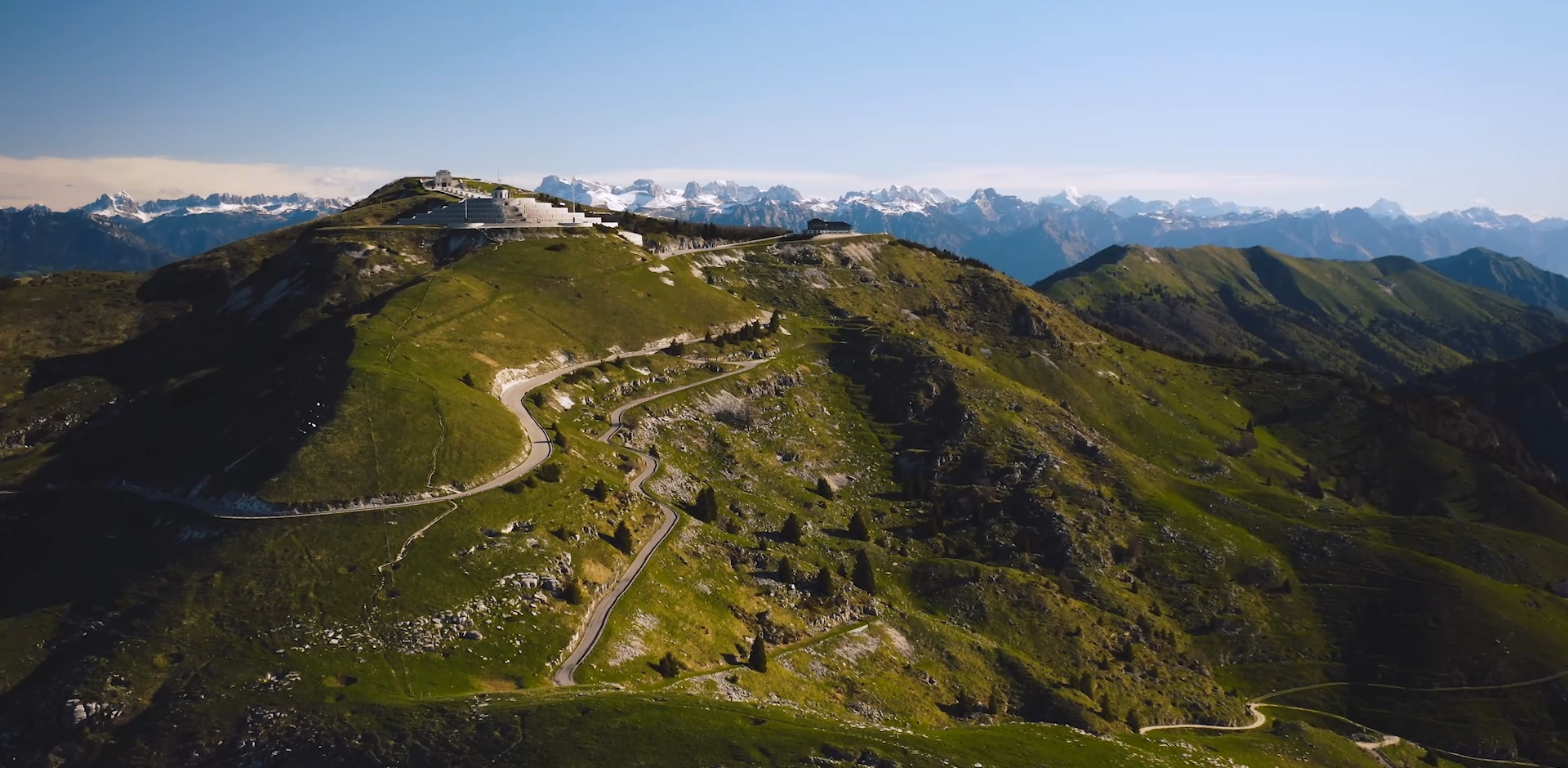
The Great War trails and the war memorials of Monte Grappa
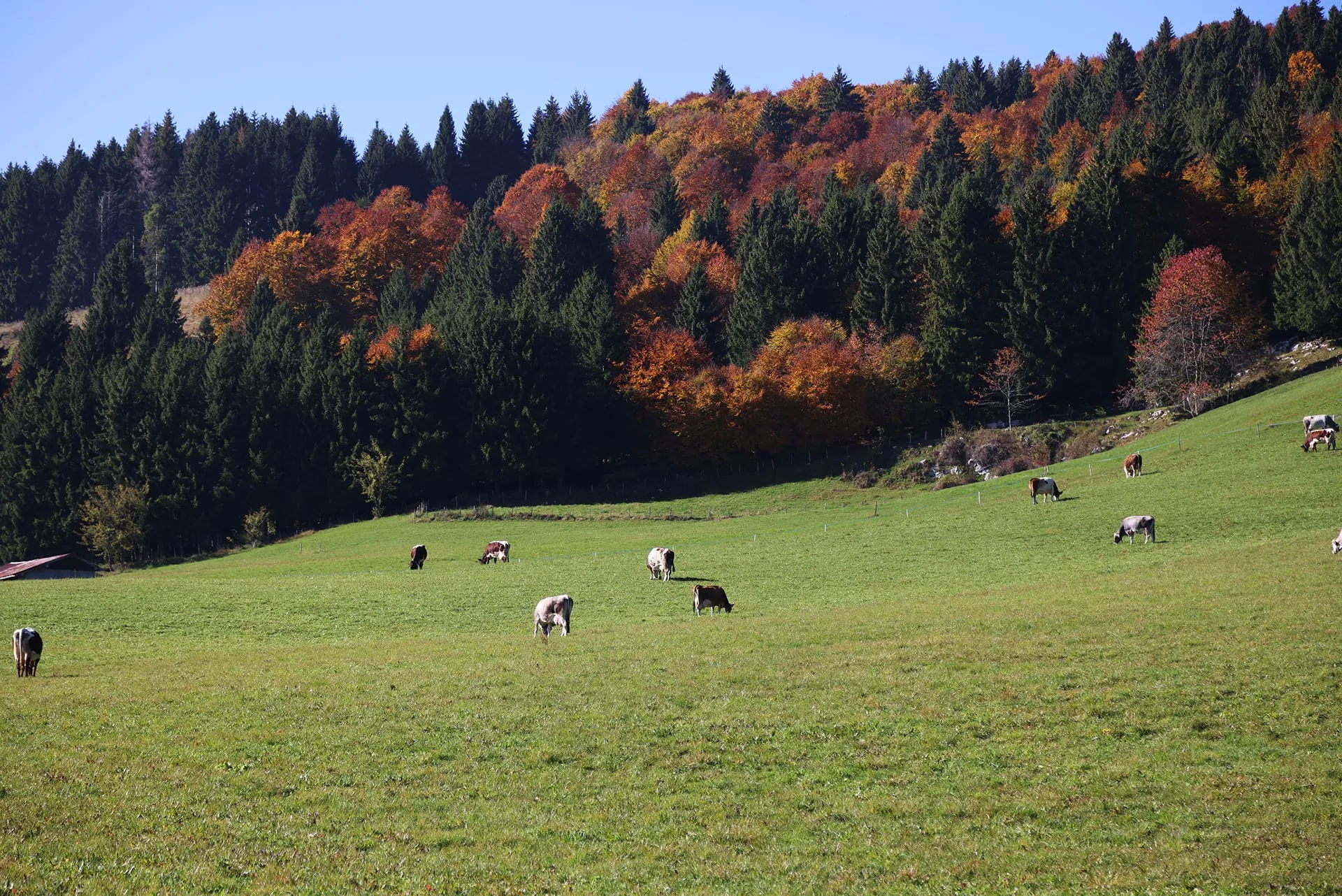
Monte Grappa is one of the sacred sites of the First World War. After Caporetto, it became a defensive stronghold against the Austro-Hungarian advance. The three battles fought here between November 1917 and June 1918 involved hundreds of thousands of soldiers from all the warring armies. The Sacrario Militare di Cima Grappa, designed by Giovanni Greppi and inaugurated in 1935, holds the remains of over 22,000 fallen soldiers. The structure is built in semicircular stone tiers of Grappa stone, with columbarium-style niches recalling Roman classicism. The Italian and Austro-Hungarian sectors are connected by the Via Eroica, 300 metres long, with 14 monuments marking the sites of the battles.
At its centre stands the shrine of the Madonna del Grappa, placed on the summit in 1901. Here rests General Gaetano Giardino, who commanded the Armata del Grappa. The Galleria Vittorio Emanuele III tunnel runs through the mountain for over 1,500 metres, a testament to the fortifications designed by engineer Gavotti. Numerous historic trails climb from the mountainsides towards the summit. The Alta Via della Grande Guerra connects restored trenches, artillery positions and open-air museums such as the one at Col Andreon. The memorial is reached along the Strada Cadorna, built in 1917 to supply the defensive lines. The site can be visited all year round, with a museum and video rooms open daily.
See all experiences

The famous Living Chess Match of Marostica and its walled village
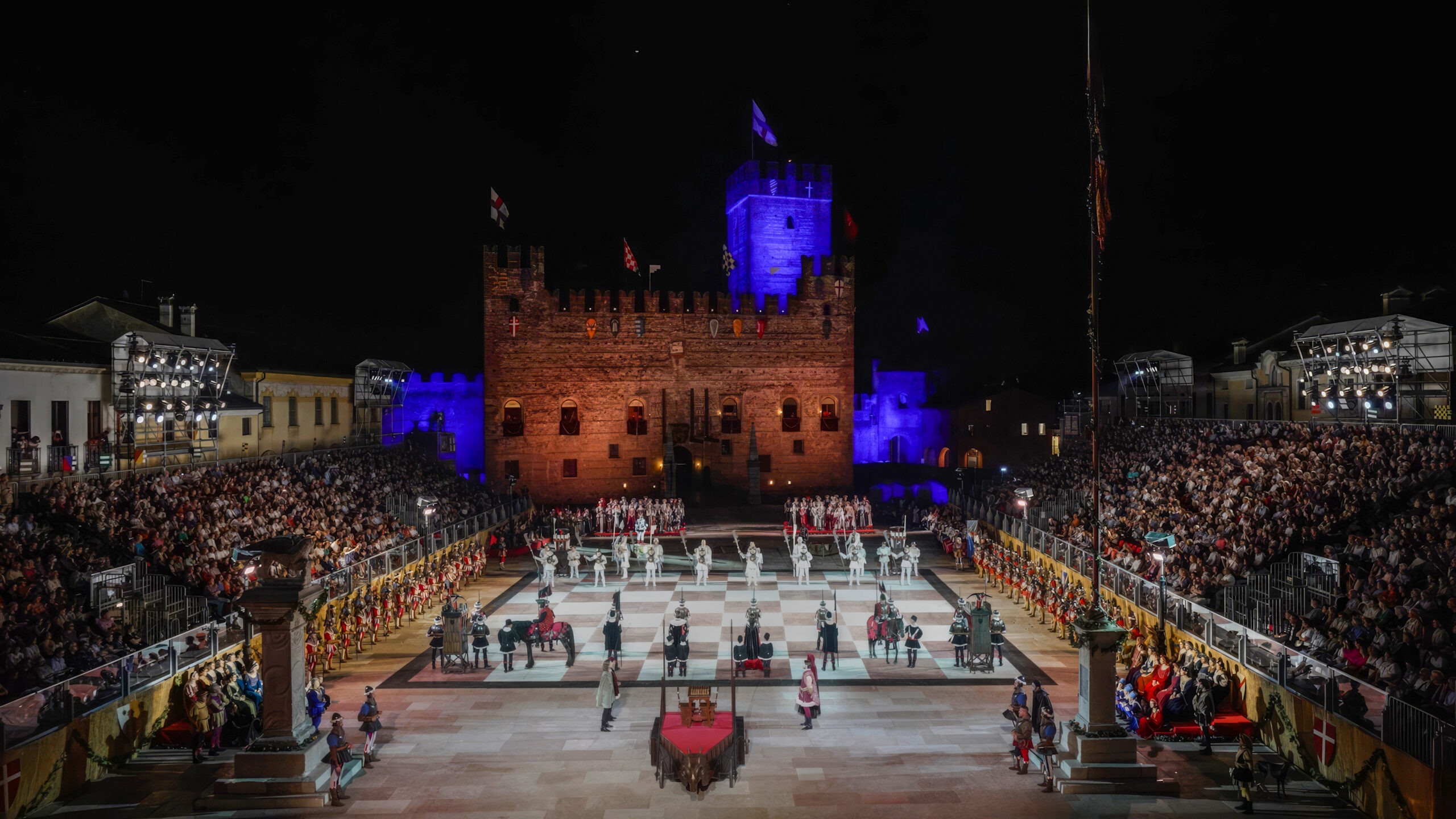
The famous Living Chess Match of Marostica and its walled village
Every two years, on the second weekend of September in even-numbered years, Piazza degli Scacchi is transformed into a living theatre. Over 650 performers in Renaissance costumes re-enact the legend of 1454, when two knights competed for the hand of Lionora, daughter of the castellan. Rinaldo d’Angarano and Vieri da Vallonara played a chess match with living pieces instead of the traditional duel, by decision of the governor Taddeo Parisio. The modern event was born in 1923 from an idea by Mirko Vucetich and Francesco Pozza, becoming a symbol of Venetian folklore known around the world. The show lasts two hours, with music, flag-wavers, archers, ladies and knights on real horses.
Wooden towers and sixteen human chess pieces move across the board, re-enacting famous historic matches. Numbered stands welcome 3,600 spectators against the backdrop of the Castello Inferiore. The medieval village retains its intact Scaligeri walls, connecting the Castello Inferiore to the Castello Superiore on the hill above. Piazza degli Scacchi is framed by long porticoes where visitors can discover historic shops and local products. The Costume Museum documents the history of the event through original garments and period documents. In odd-numbered years, the town hosts Marostica 1454, a medieval re-enactment with a market, shows and historical groups.

Adrenaline in Valbrenta: rafting, canyoning and climbing
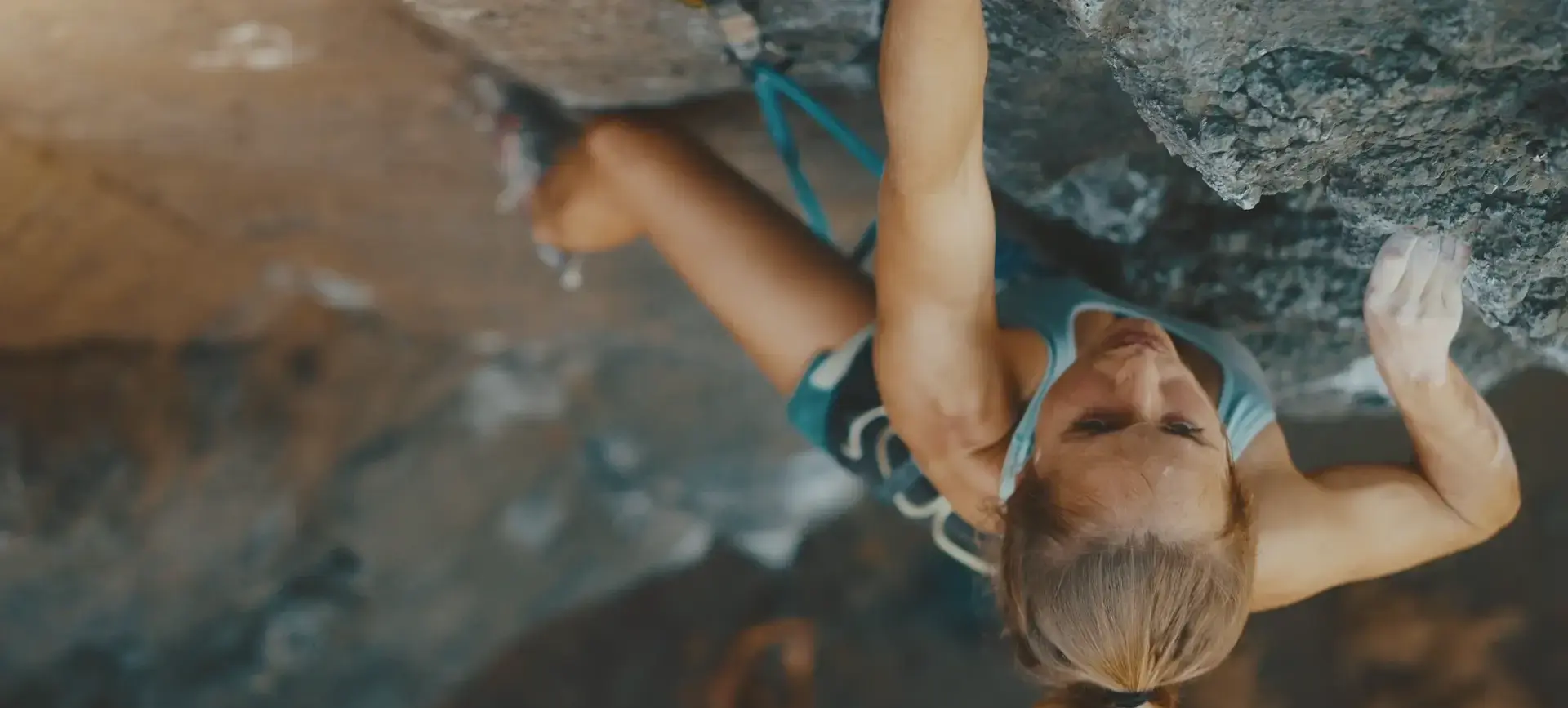
Adrenaline in Valbrenta: rafting, canyoning and climbing
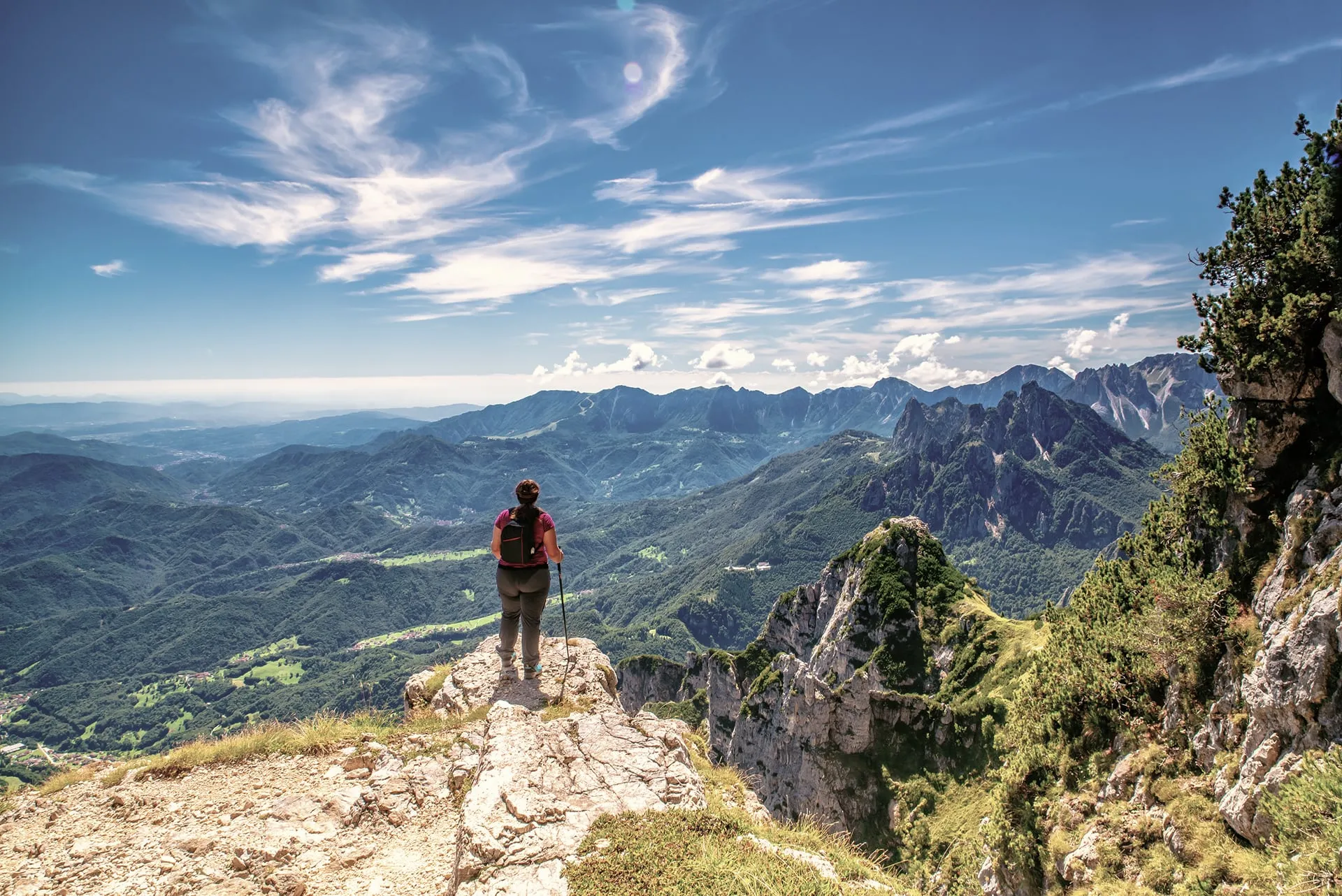
The Valbrenta offers one of the most thrilling river routes in the Veneto region. The lively waters of the Brenta cut through limestone canyons with rapids reaching class 4. Several specialised centres offer inflatable boat descents suited to all levels, from gentle routes for families to extreme stretches for experts. The classic rafting route covers around 10 kilometres from San Gaetano to Campolongo, while longer routes reach 15 kilometres, with waves and technical passages between the rocks. Certified guides accompany every outing, ensuring both safety and fun. For those seeking even stronger thrills, hydrospeed allows riders to tackle the rapids body-to-body with the river.
Canyoning allows visitors to explore the side gorges with jumps, rope descents and passages through crystal-clear water caves. The canyons in the area offer varying levels of difficulty for both experts and beginners. The valley’s rock faces host equipped crags for sport climbing on solid limestone. The area has well-equipped centres with private beaches, changing rooms, hot showers and picnic areas. Activities run from March to October, with technical equipment provided by the centres. Historic trails and mountain bike routes also set off along the river, weaving between nature and traces of the Great War.

Tastings of grappa, wine and local specialities
Tastings of grappa, wine and local specialities
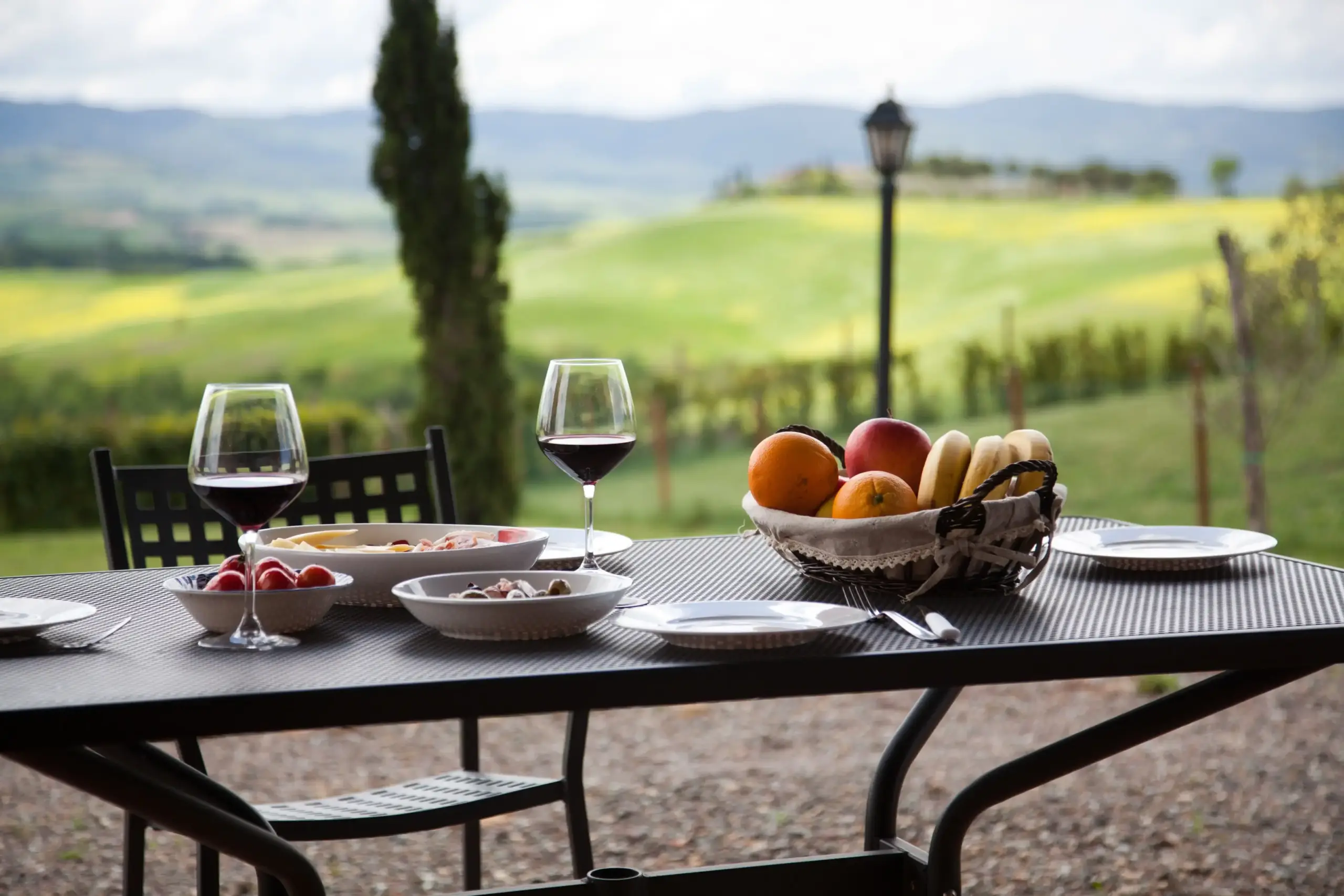
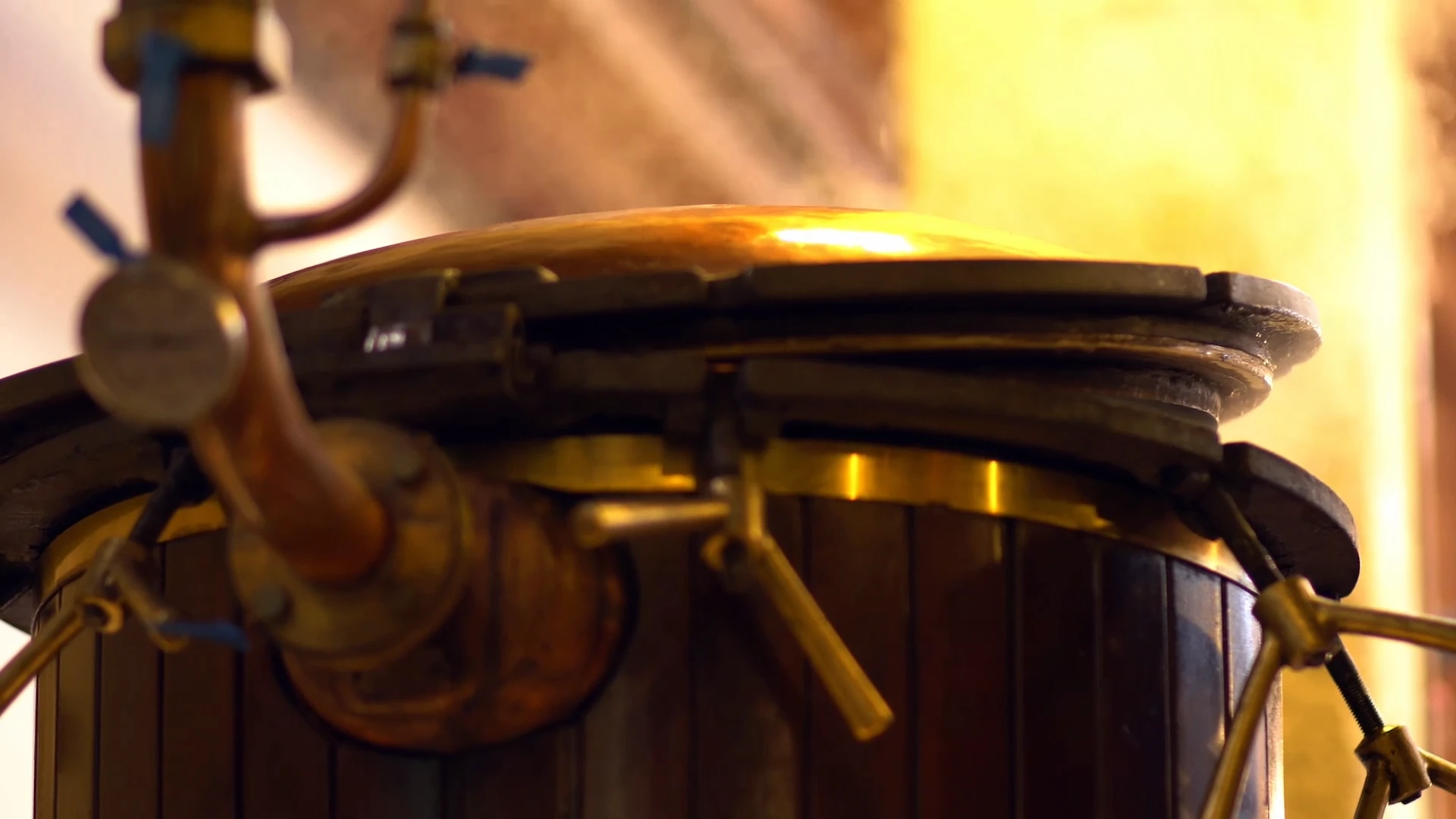
Bassano has been home to grappa since the seventeenth century, when the first Venetian artisans began distilling grape pomace. The Nardini Distillery, founded in 1775, is the oldest in Italy. The historic grapperia on the Ponte degli Alpini remains an iconic spot to try “mezzo e mezzo”, Bassano’s traditional aperitif. The Poli Distilleries open their doors for guided tours through antique stills, ageing rooms and cellars. The Poli Museo della Grappa, facing the Ponte Vecchio, tells the story of distillation through period instruments and historic ceramics. Tastings pair young grappas and aged riserve with cheeses of different maturations. Other artisan distilleries in the area produce single-varietal grappas, grape spirits and traditional liqueurs.
Many offer tours explaining the distillation process from pomace to finished product, with tastings that let visitors identify the characteristic aromas. The area’s typical products also include Bassano’s white asparagus, Marostica’s plump, dark cherries, and baccalà alla vicentina, cooked according to centuries-old recipes. Pastry shops in the centre offer artisan sweets that blend tradition and innovation, while weekly markets sell mountain-hut cheeses, cured meats and local honey.