

Industrial Archaeology
Work and Memory: When Industry Built Cities
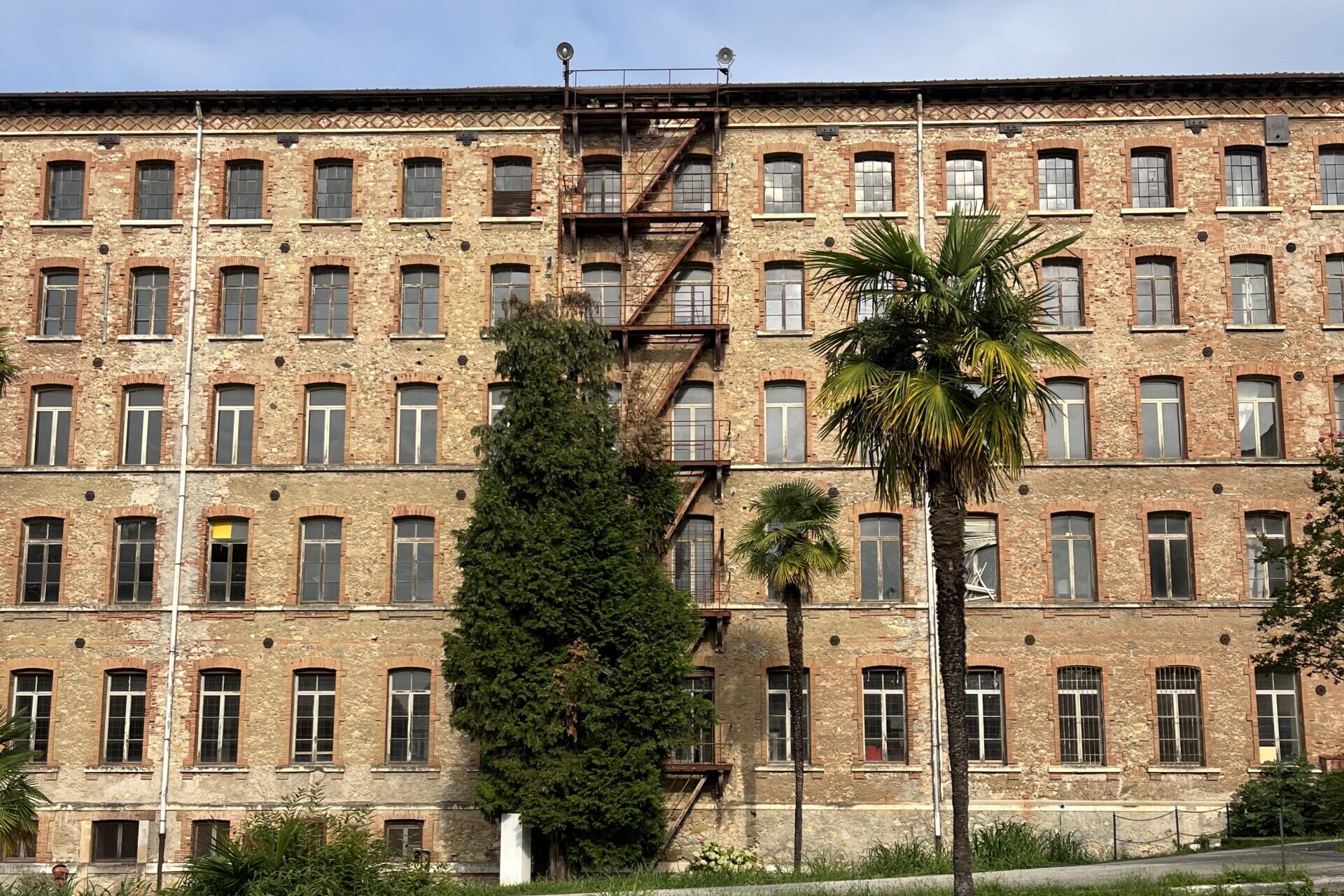
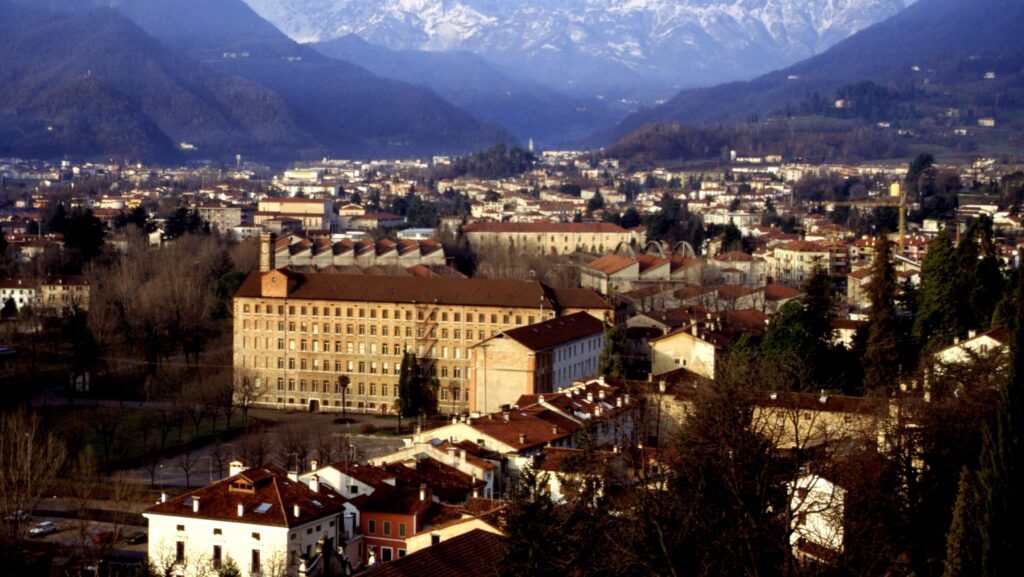
Few provinces in Italy have left traces of industrial history as clearly visible and concentrated as the Vicenza area. Schio is the heart of this journey: around 1870, it was the capital of the Italian textile industry, the “Manchester of Italy,” thanks to entrepreneur Alessandro Rossi, who built not just factories but an entire social model with workers’ neighborhoods, schools, and parks. The Fabbrica Alta (High Factory) from 1862—five stories designed by Belgian architect Auguste Vivroux—is still there, dominating the historic center like an industrial cathedral. The Open-Air Museum of Industrial Archaeology of the Upper Vicenza Area connects the wool mills, mills, spinning mills, and hydroelectric power plants of the Leogra Valley in a journey of great historical value.
In Valdagno, the Social City commissioned by Gaetano Marzotto in the twentieth century speaks of a paternalistic capitalism that shaped the urban planning of an entire city: workers’ housing, sports facilities, kindergartens, and the Museum of Textile Machinery (MuMaT), which preserves the original wool production machinery still in operation for visitors to enjoy.