The green island suspended between sky and history

Among pastures and larch forests, e-bike routes along historic military roads, mountain huts where you can taste freshly made Asiago DOP. Panoramic treks and trails suited to every level of preparation.

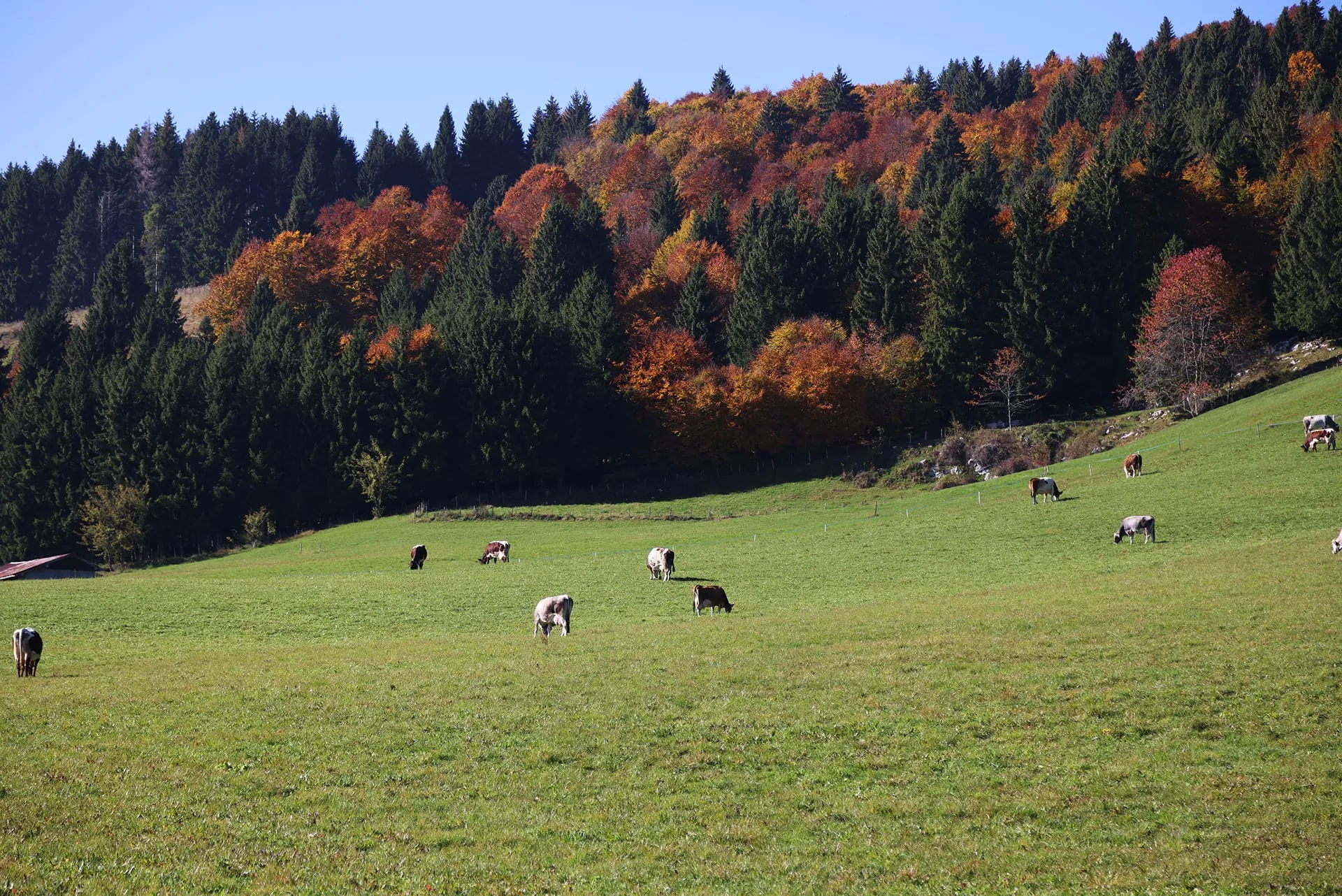
The Altopiano dei Sette Comuni stretches out at a thousand metres above sea level, among fir woods, working mountain huts and pastures fading into the horizon. Over a hundred mountain huts keep alive the tradition of summer alpine grazing, producing Asiago DOP cheese according to methods handed down through generations. Trails along old military roads wind between the forts of the Great War.

Five hundred square kilometres across the Vicenza Prealps, a territory where mountain biking and gravel riding find two hundred and sixty kilometres of unpaved routes. E-bikes make it possible to discover hidden hamlets and panoramic refuges without straining on the climbs. The cuisine celebrates genuine products such as fresh ricotta, tosella cheese and game, while adventure parks welcome families with children.

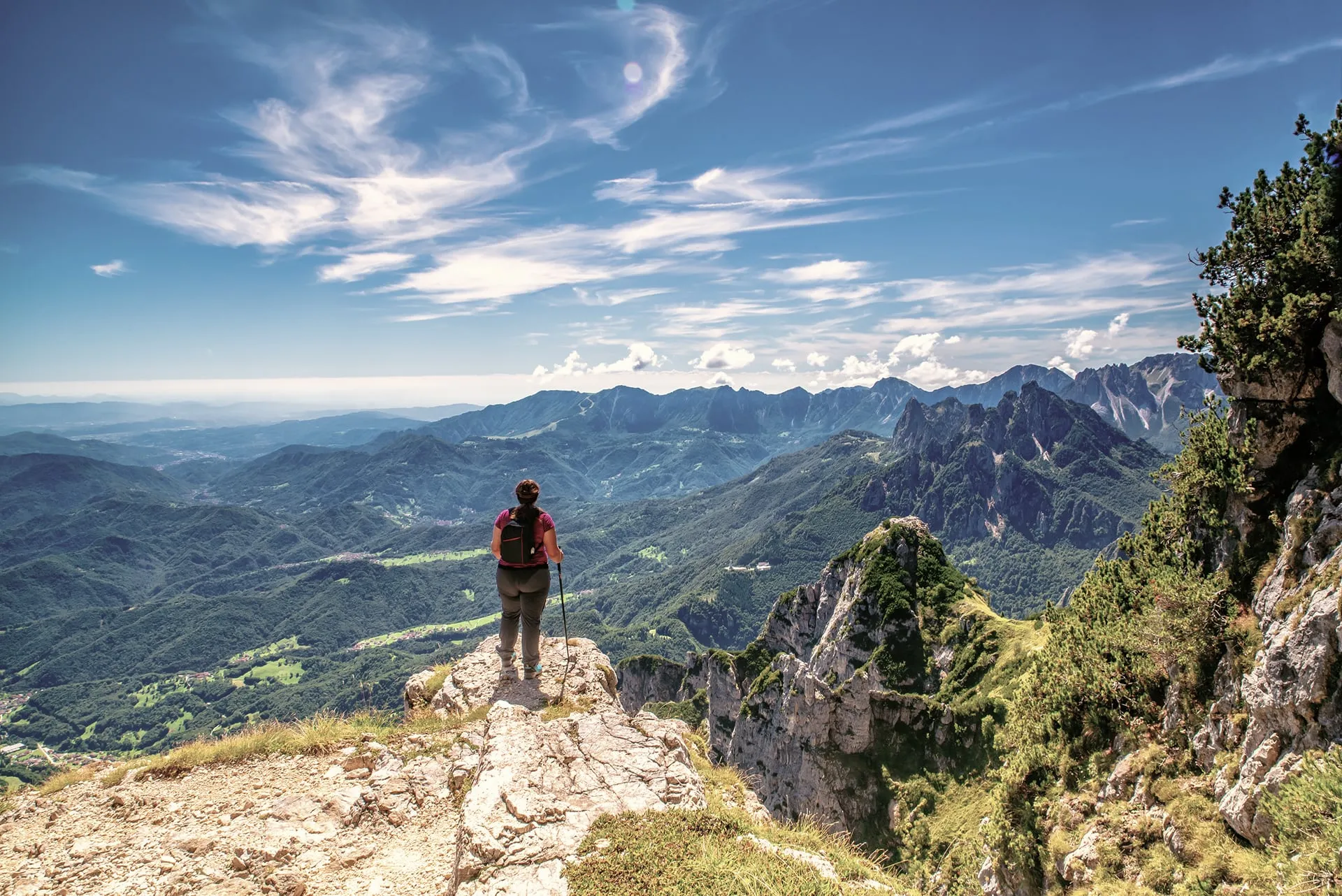
Panoramic treks among pastures, mountain huts and forests of the Altopiano dei Sette Comuni
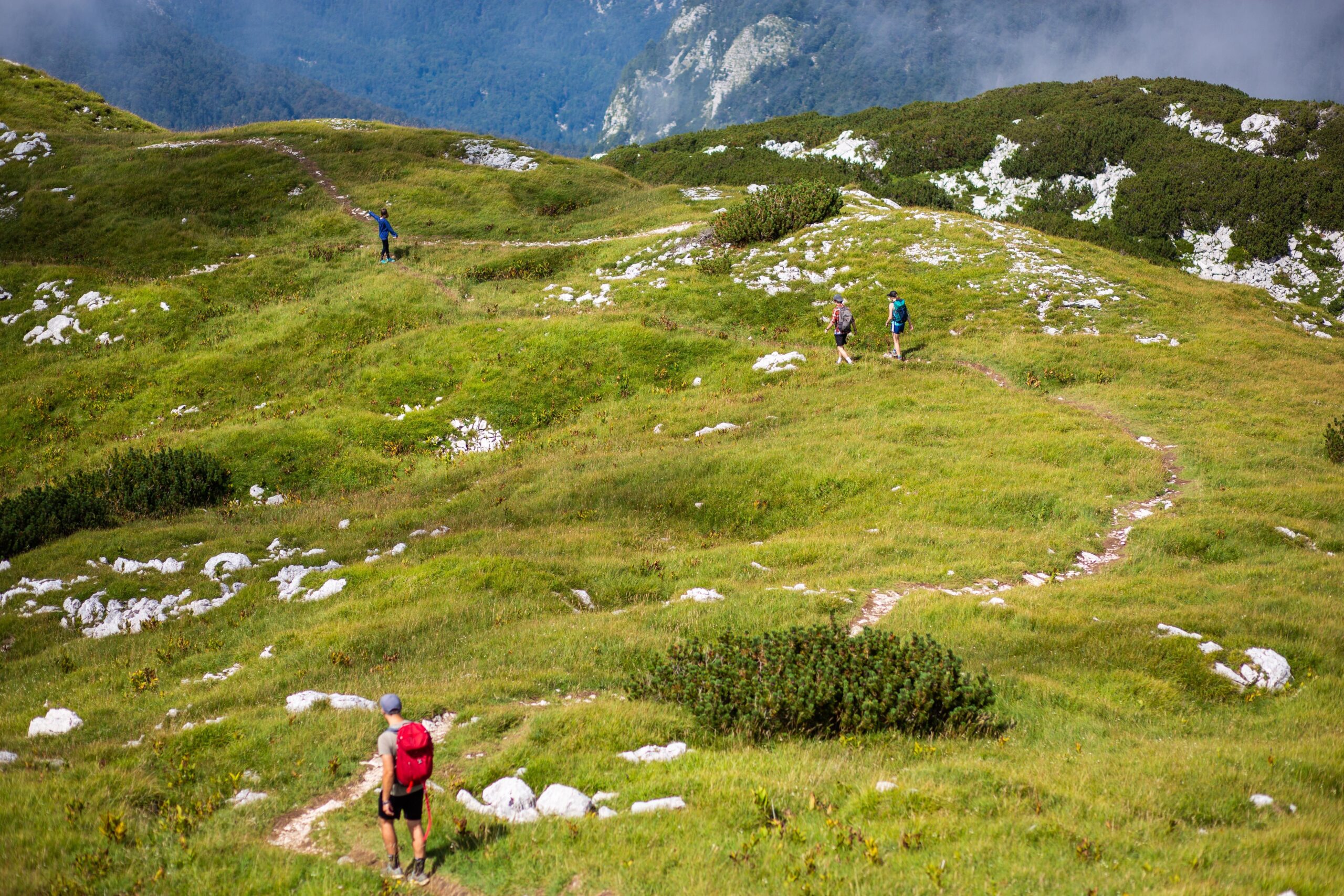
Panoramic treks among pastures, mountain huts and forests of the Altopiano dei Sette Comuni
The Altopiano offers a dense network of marked trails crossing diverse environments. From gentle pastures dotted with mountain huts to dense fir and larch woods, up to rocky peaks brushing two thousand metres. The Via delle Malghe connects over eighty working mountain huts through loop routes such as the Giro delle Malghe di Asiago and the Giro di Cima Larici. Monte Zebio offers hikes through lush green meadows and woods where visitors can discover bivouacs, historic cemeteries and open-air museums dedicated to the Great War. Monte Corno dominates the plateau with views stretching from the Venetian plain to the Dolomites. Cima Portule and the Sentiero dei Castelloni di San Marco cross rocky labyrinths and spectacular karst formations.
Forte Campolongo can be reached through woods that are also accessible with snowshoes in winter. The trail includes stretches with tunnels and pathways perched above the Valdastico. From Monte Fior, visitors can admire the Pale di San Martino and the Lagorai ranges. Routes range from easy walks on cart tracks to demanding treks with significant elevation gains. The Sentiero del Silenzio connects panoramic refuges across silent valleys. Along the trails, hikers encounter votive shrines, historic fountains and remains of trenches that tell a century of mountain history.

Mountain bike, gravel and e-bike routes among woods and historic military roads
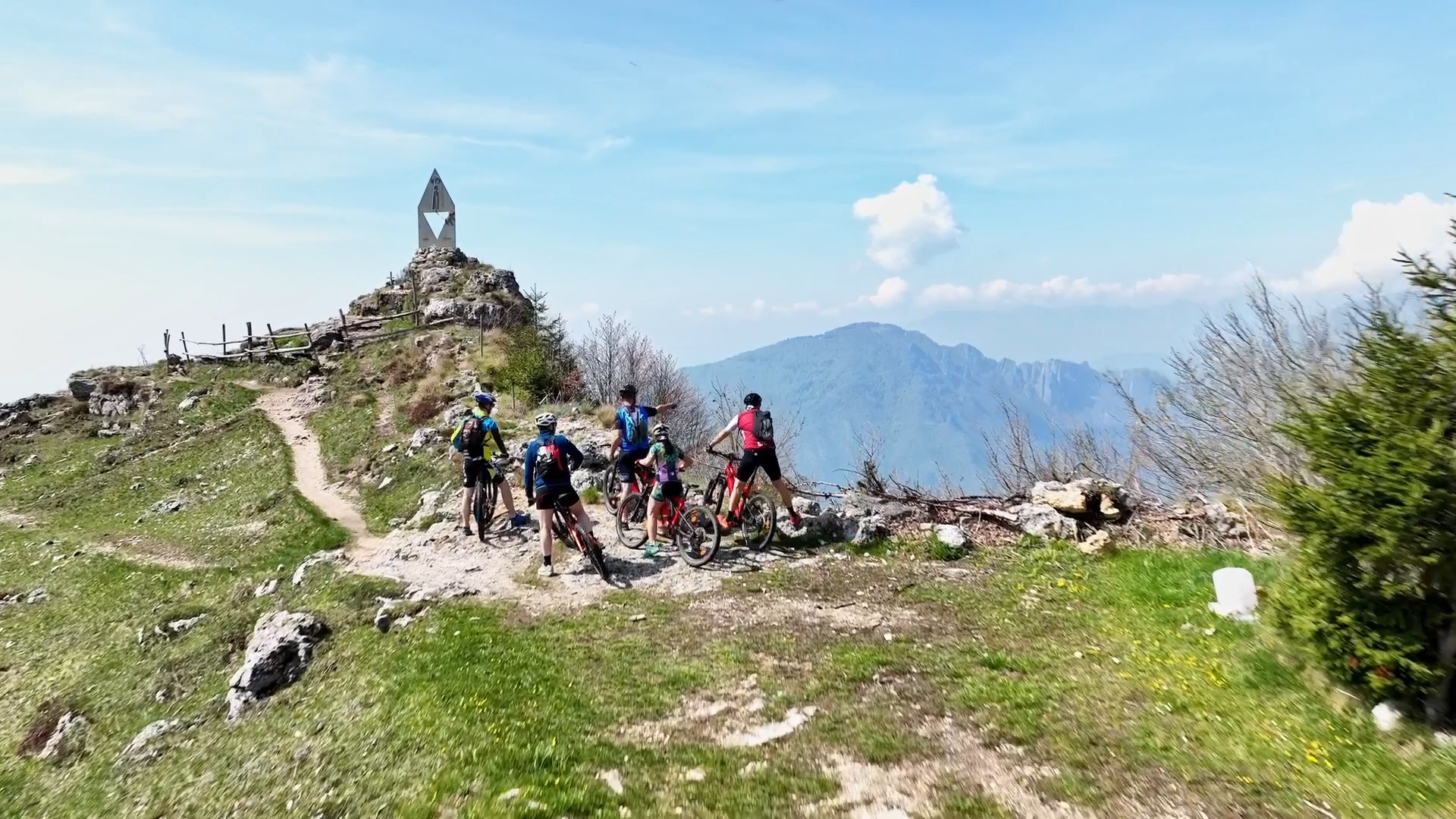
Mountain bike, gravel and e-bike routes among woods and historic military roads
The Gran Tour dell’Altopiano covers two hundred and sixty kilometres of unpaved roads built during the First World War. The former military mule tracks cross the entire territory, connecting all the Sette Comuni over surfaces ranging from well-kept cart tracks to technical trails. The Strada delle Malghe offers breathtaking views over the southern plain, with stretches between Monte Corno and Rifugio Granezza. The old railway cycle path connects Asiago to Cesuna over uneven unpaved ground, through woods and hamlets. Dedicated routes wind between Gallio, Foza and Enego, crossing valleys and climbing towards panoramic peaks.
The military roads offer varying gradients and technical stretches for mountain bike enthusiasts, while e-bikes allow everyone to tackle significant elevation gains while fully enjoying the landscape. There are also downhill tracks for those seeking pure adrenaline. The gravel routes combine lightly trafficked tarmac with coarse unpaved surfaces. Climbs to Col del Vento, crossings of Val Melago and technical descents into hidden valleys create memorable itineraries. The Col del Sole Bike Hotel in Tresché Conca offers e-bike rental, a bike workshop with a mechanic, charging points and expert guides. Partnerships with mountain huts allow riders to stop for a meal while recharging their batteries.

Mountain huts and culinary experiences linked to the plateau's typical products
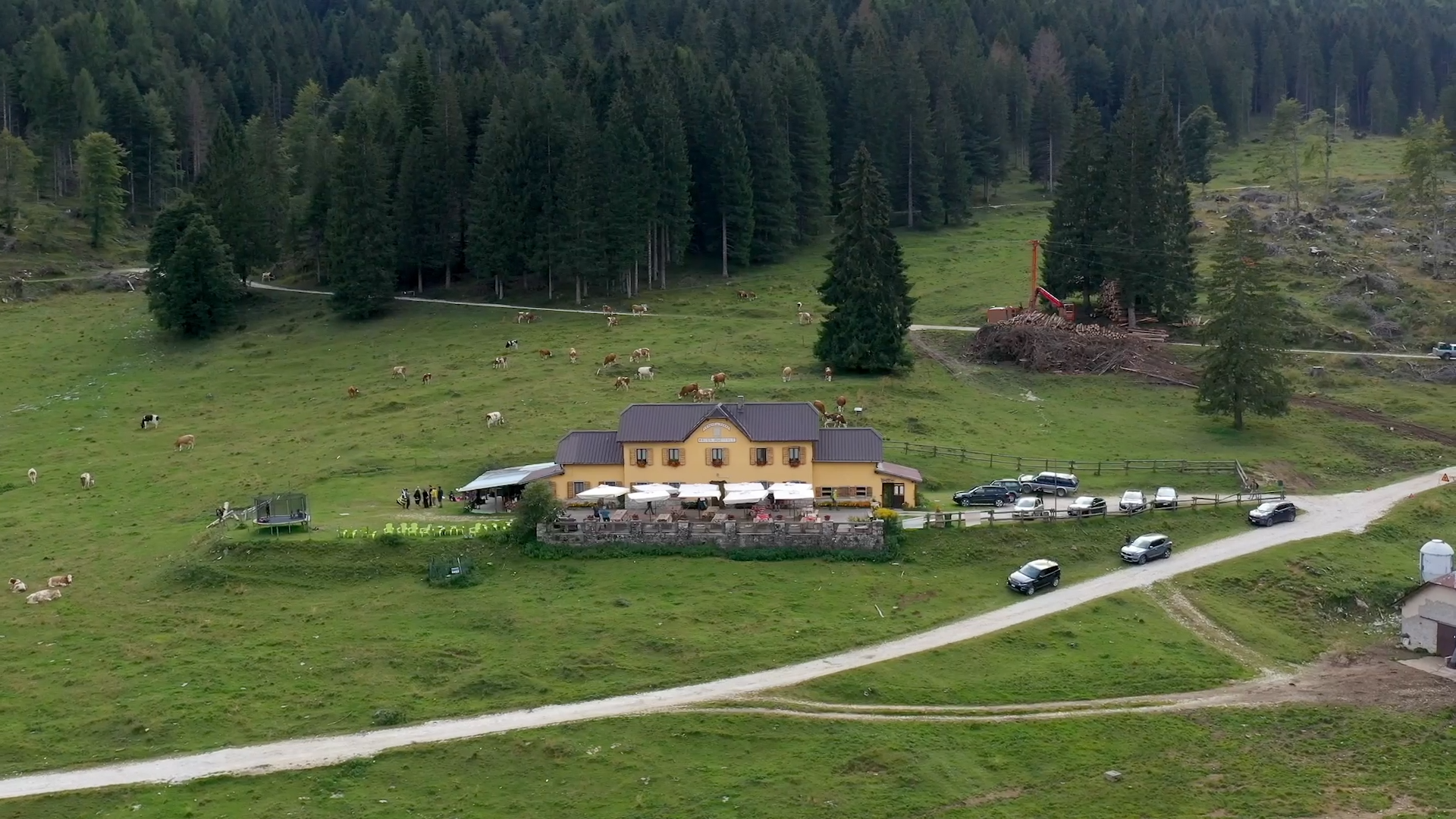
Mountain huts and culinary experiences linked to the plateau's typical products
Over a hundred mountain huts shape the economy and landscape of the Altopiano, and many keep alive the tradition of summer alpine grazing, when cows are led back up to the pastures between late May and early June. Asiago DOP cheese has been made here since the year 1000, when the plateau was already a renowned grazing area. Malga dei Sette Comuni cheese is produced with raw, partially skimmed cow’s milk. The stravecchio d’allevo variety matures for nineteen months or more, reaching an extraordinary complexity of flavours and aromas. A Slow Food Presidium, it is an exceptionally rare product. Every mountain hut sells fresh ricotta, tosella, butter and cured meats directly.
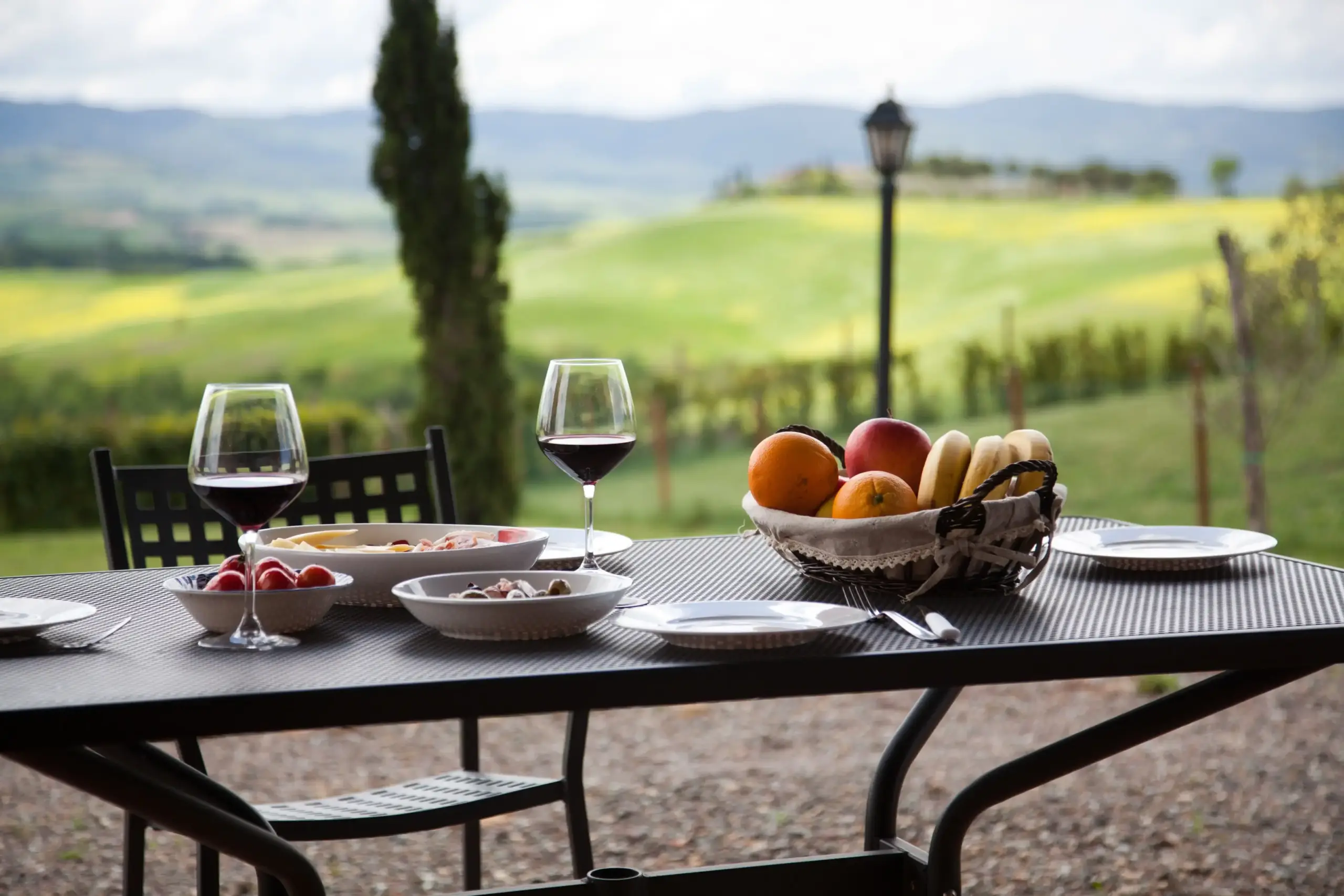
The mountain huts are genuine working farms, where milk is milked, processed and turned into cheese according to age-old methods. Many, however, also offer lunches and snacks made with their own products. Malga Larici di Sotto lets visitors taste different agings of freshly made Asiago with views over the pastures. The Altopiano’s cuisine celebrates genuine ingredients. Rotzo potatoes, Rubbio celery and Conco dandelion accompany game and forest mushrooms. Asiago speck, soft and delicately sweet, is served alongside artisanal cured meats. Local honey, spirits, preserves and the distinctive “considera” polenta complete a food and wine offering that brings back the flavours of days gone by.

The Great War trails among trenches, forts and open-air museums
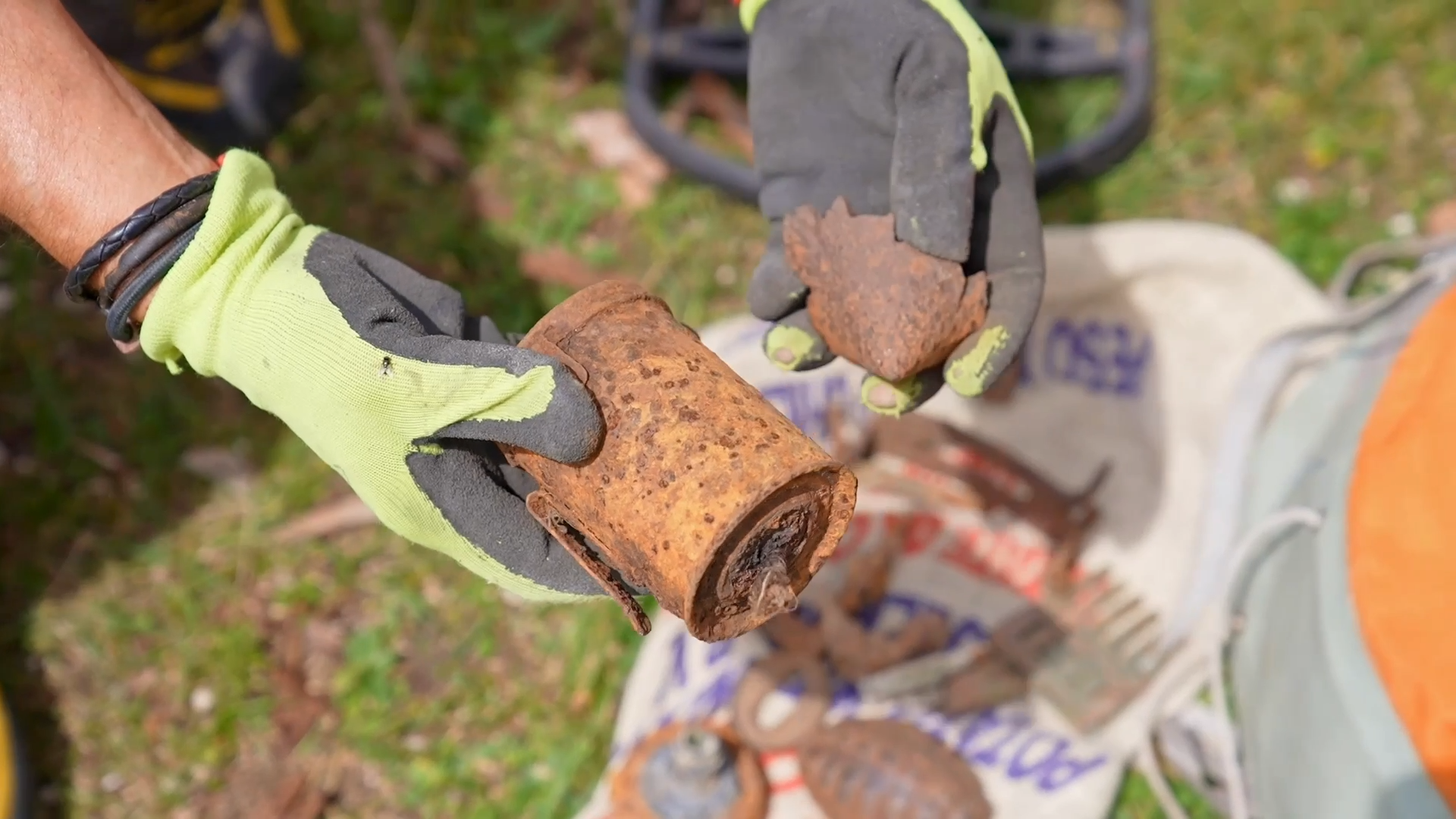
The Great War trails among trenches, forts and open-air museums
The first Italian cannon shot was fired from Forte Verena on 24 May 1915, at 3:55 in the morning. The Altopiano became the setting for bloody battles: the Strafexpedition, the Battle of Ortigara, and those of Christmas 1917 and the Solstice. Entire towns were razed to the ground, forcing communities into exile. The Sacrario Militare del Leiten overlooks Asiago from the top of the hill. Inaugurated in 1938, it holds the remains of over fifty thousand Italian and Austro-Hungarian fallen soldiers. Corridors lined with niches lead to the chapel, which holds the remains of twelve recipients of the Gold Medal of Military Valour. The Museo del Sacrario Militare in Asiago displays memorabilia, photographs and period documents.
Forte Lisser is the largest on the Altopiano. Carefully restored, it houses a museum with wartime artefacts and historic photographs, standing at 1,720 metres above the Val d’Astico. The Museo Storico della Guerra in Canove di Roana documents the extraordinary wartime theatre through multimedia technology. Monte Zebio preserves an open-air museum with perfectly restored trenches, tunnels and walkways. Ortigara and Caldiera retain evidence of the Alpine soldiers’ ordeal, with the remains of positions and barracks. Historic trails cross these sites, allowing visitors to literally walk in the footsteps of the soldiers. The Ecomuseo della Grande Guerra celebrates the entire network of trails and fortifications scattered across the territory.

Family outdoor experiences among adventure parks, nature and educational activities
Family outdoor experiences among adventure parks, nature and educational activities
Parco Avventura Kaberlaba is reached by chairlift, climbing to 1,200 metres among the woods. Green and purple trails for children from 85 centimetres tall offer nine obstacles including suspended bridges, nets, log climbs and pulleys. Blue and red trails challenge adults with more technical passages and greater heights. Acropark in Roana offers eight zip-line routes over the small Lonaba lake. On the other shore, a bathing area welcomes families with sun loungers and umbrellas. The park also offers walks to the Stonhaus sinkhole, barefoot sensory trails, orienteering lessons and vertical wall climbing.
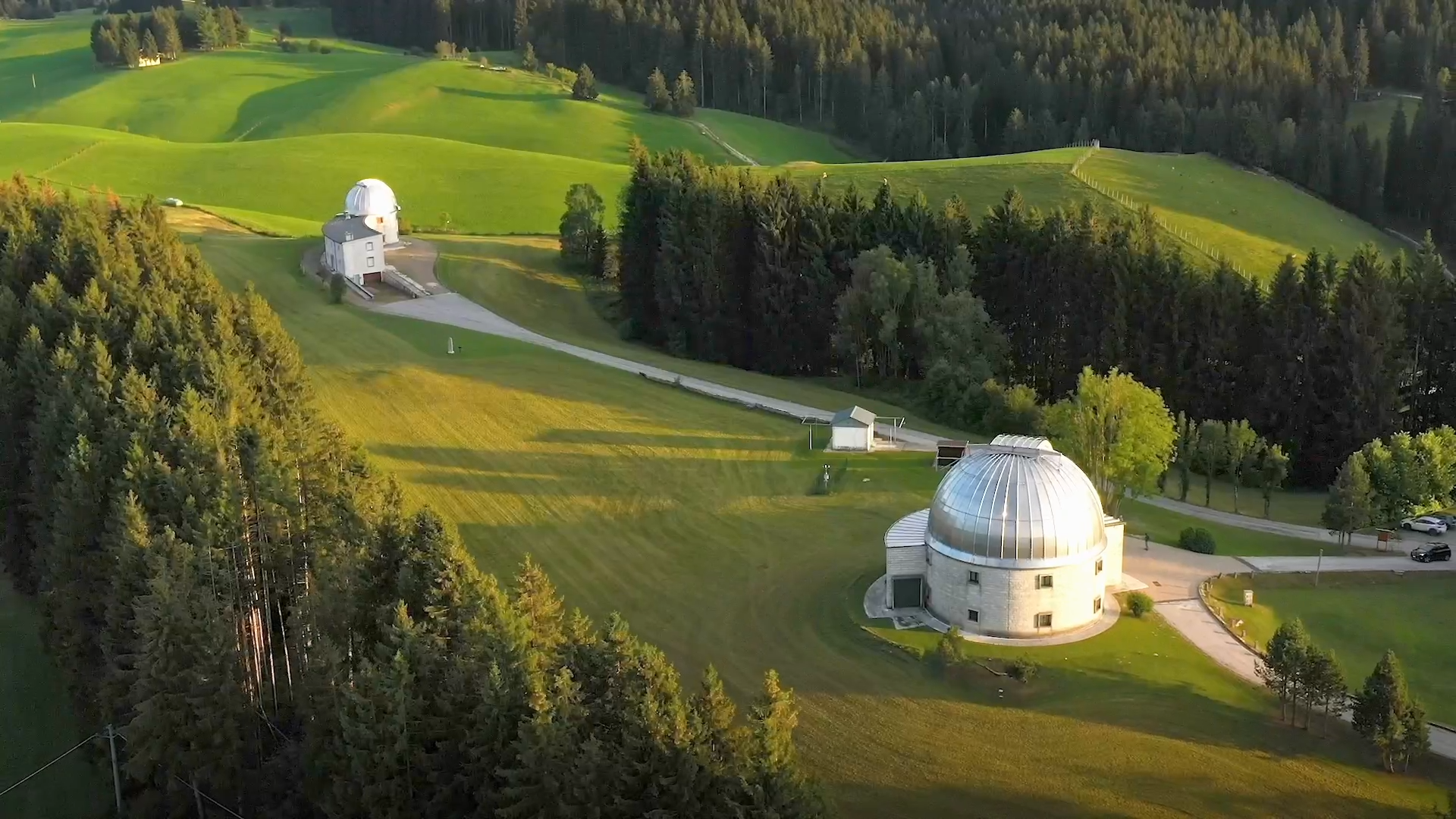
Kaberlabaland combines downhill mountain biking tracks with family activities. Fun Bob rides offer thrilling descents even for the youngest, when accompanied. The Asiago Astrophysical Observatory, at 1,045 metres, organises educational visits to discover the starry sky with telescopes from the National Institute for Astrophysics. Naturalist guides accompany families on daytime hikes through the woods in search of footprints and dens, or at sunset when animals emerge from their hiding places. Equipped meadows allow for picnics and games immersed in nature.