Vines, villas and cherry trees: Vicenza’s land in between

From the Renaissance villas of Thiene to the castles of Romeo and Juliet, among historic wool mills and DOC vineyards. Hard-working villages and genuine flavours that speak of a strong, proud identity.

The Prealps descend towards the plain through cultivated hills and villages with a centuries-old industrial vocation. Schio and Valdagno tell the story of the Venetian textile epic, blending industrial archaeology with perfectly preserved workers’ villages. In Montecchio Maggiore, medieval castles inspired the legend of Romeo and Juliet. On the hills of Gambellara, orderly vineyards produce Garganega and Recioto DOC wines appreciated around the world.

Thiene preserves its mercantile elegance and pre-Palladian villas among shaded porticoes. The hills of Breganze produce native wines on volcanic soils, while the Chiampo Valley hides fossil deposits studied by paleontologists from around the world. Family-run trattorias serve homestyle cooking, where baccalà and bigoli preserve flavours passed down through generations.

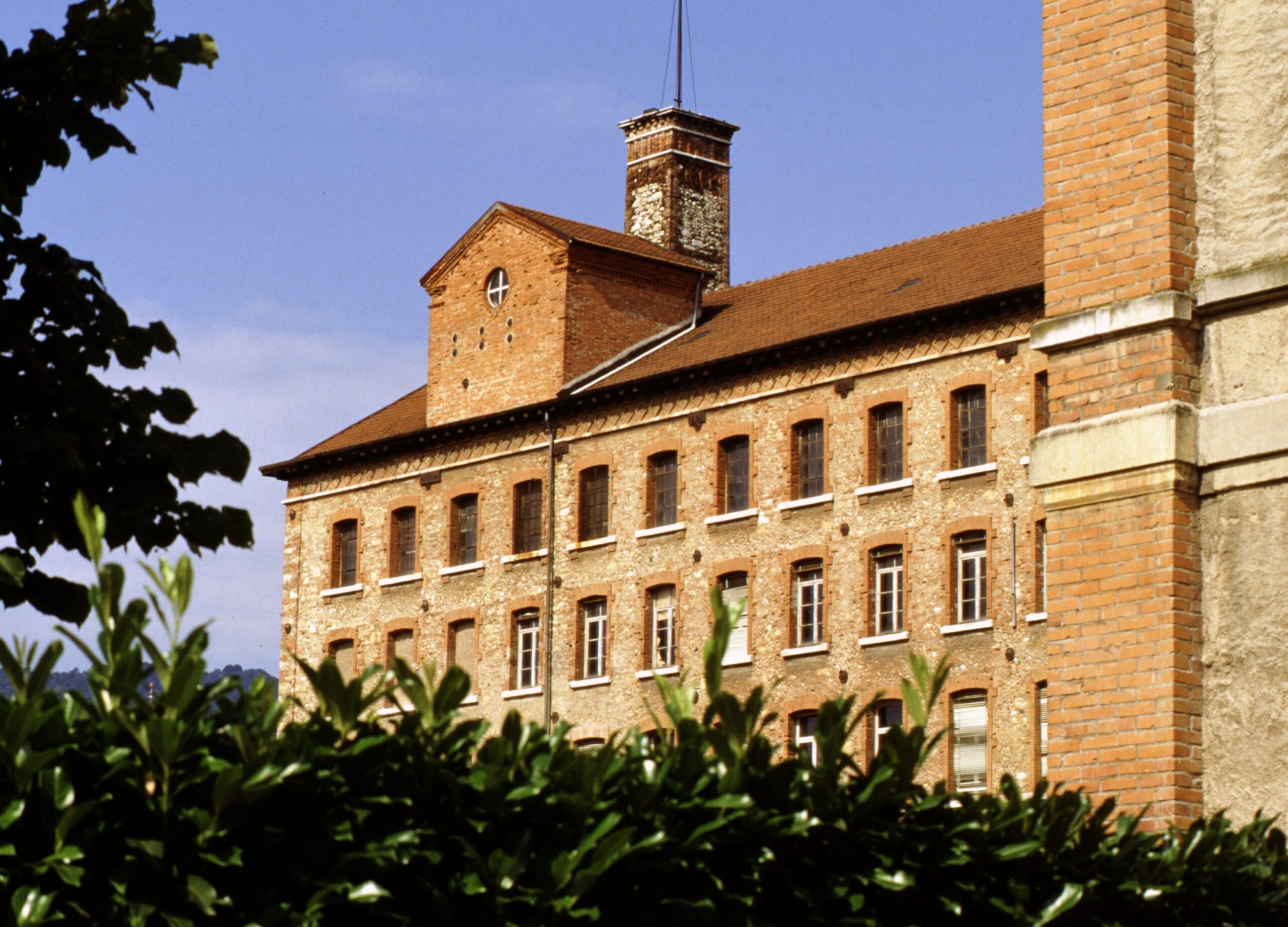
The historic industrial architecture of Schio and Valdagno, symbols of Venetian entrepreneurial culture
The historic industrial architecture of Schio and Valdagno, symbols of Venetian entrepreneurial culture
Schio represents one of the greatest examples of Italian industrial archaeology. The Lanificio Rossi wool mill, founded by Alessandro Rossi in the second half of the nineteenth century, transformed the city into the “Manchester of Italy”. The Fabbrica Alta, built in 1862, still dominates the city skyline with its red-brick and reinforced-concrete pavilions. Architect Antonio Caregaro Negrin spent forty years designing innovative factories in Pievebelvicino, Torrebelvicino and Piovene Rocchette, introducing construction modules linked to different energy sources. The workers’ village provided housing, schools, nurseries and social institutions according to a paternalistic vision that was advanced for its time. The Lanificio Conte, in the historic centre, tells 250 years of industrial history through original machinery and an exhibition route showing the full production cycle of fabric-making.
The exhibition space preserves the original hydraulic turbine setting, visible through transparent flooring. Valdagno bears the mark of the Marzotto family, who from 1836 grew the wool industry from a craft-scale activity into a large modern enterprise. The Città Sociale, commissioned by Gaetano Marzotto in the 1930s, represents a complete urban planning model with schools, hospitals, theatres and housing organised by professional category. The Museum of Textile Machinery at the Istituto Marzotto displays working machinery illustrating the stages of carding, spinning and weaving. Both cities stand as unique examples of perfectly preserved Italian industrial heritage.

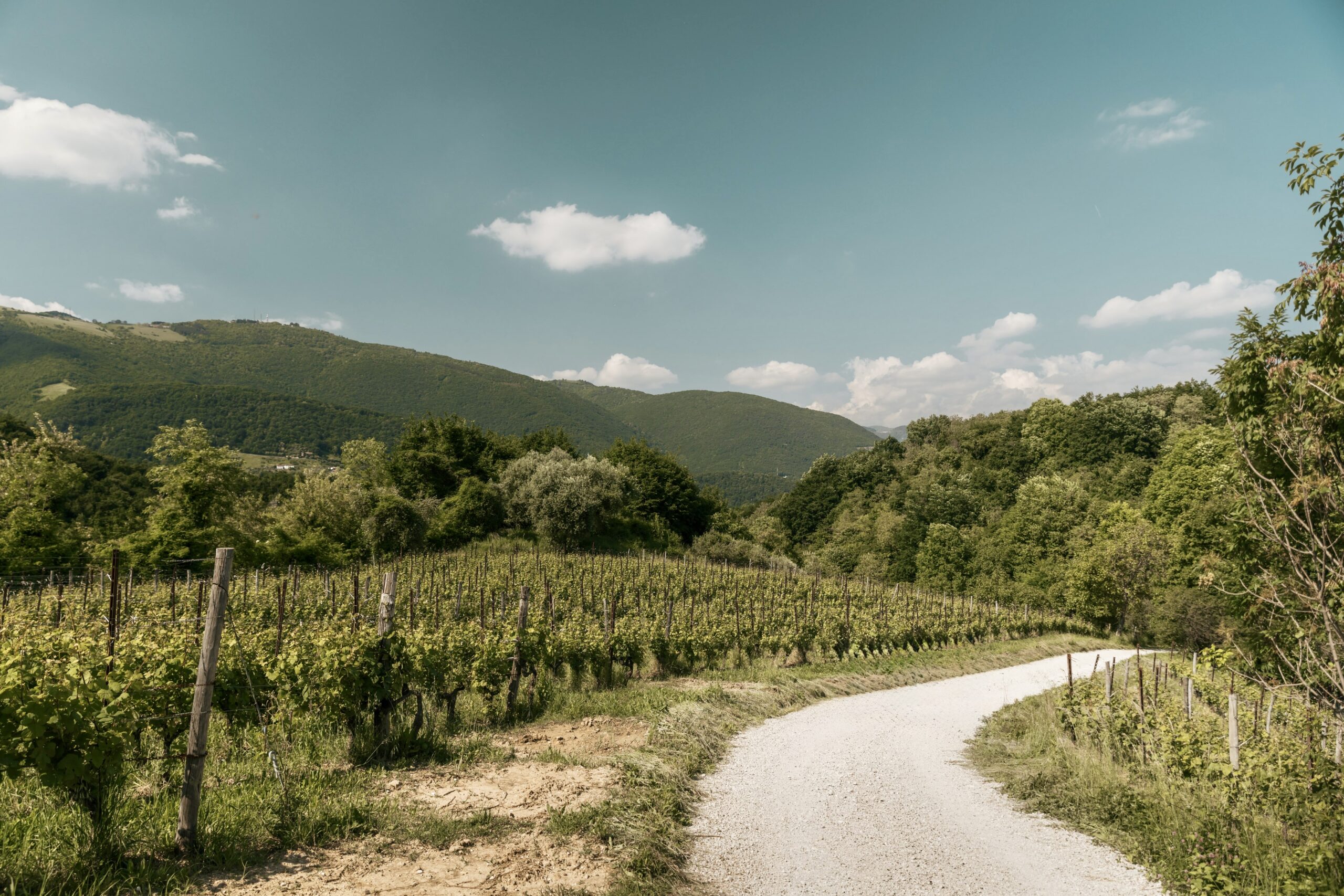
The hills of Breganze: panoramic vineyards, historic wineries and tastings of the territory's DOC wines
The hills of Breganze: panoramic vineyards, historic wineries and tastings of the territory's DOC wines
The hills of Breganze rise on volcanic soils that give the wines mineral character and depth. The Breganze DOC designation, among the first recognised in the Veneto region, showcases native and international grape varieties across three thousand hectares of vineyards. Vespaiolo is the signature grape variety of the area. From this aromatic white grape comes Torcolato, a passito wine made from grapes left to dry naturally until January. The result offers balanced sweetness with notes of apricot, honey and almond. Among the reds, Cabernet, Merlot and Marzemino stand out. Cantina Maculan, founded in 1947, brought the wines of Breganze to international prominence. Historic wineries such as Beato Bartolomeo, Col Dovigo and Firmino Miotti open their doors for tastings among panoramic vineyards.
The hillside terrain guarantees excellent ventilation and ideal sun exposure. The Strada del Torcolato connects the wineries in a route through well-tended vine rows, with views stretching from the Prealps to the Venetian plain. Many wineries combine production with hospitality, offering agritourism stays and tasting rooms. The area celebrates its winemaking tradition with seasonal festivals where visitors can discover pairings with mountain-hut cheeses, artisanal cured meats and dishes from Pedemontana cuisine. Visiting the wineries offers insight into the production process, from vine to bottle.

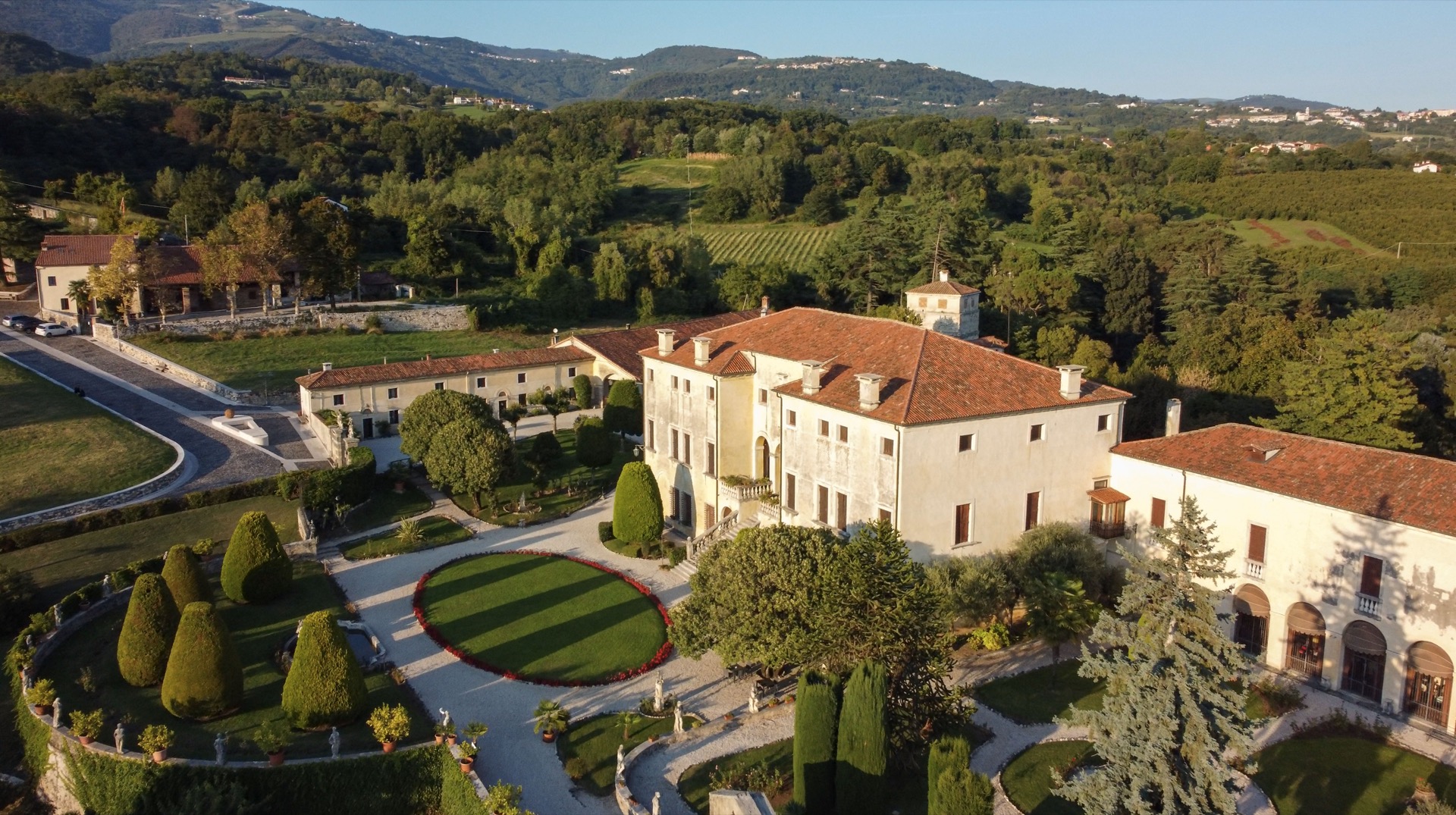
Venetian villas, historic villages and the architecture of the territory
Venetian villas, historic villages and the architecture of the territory
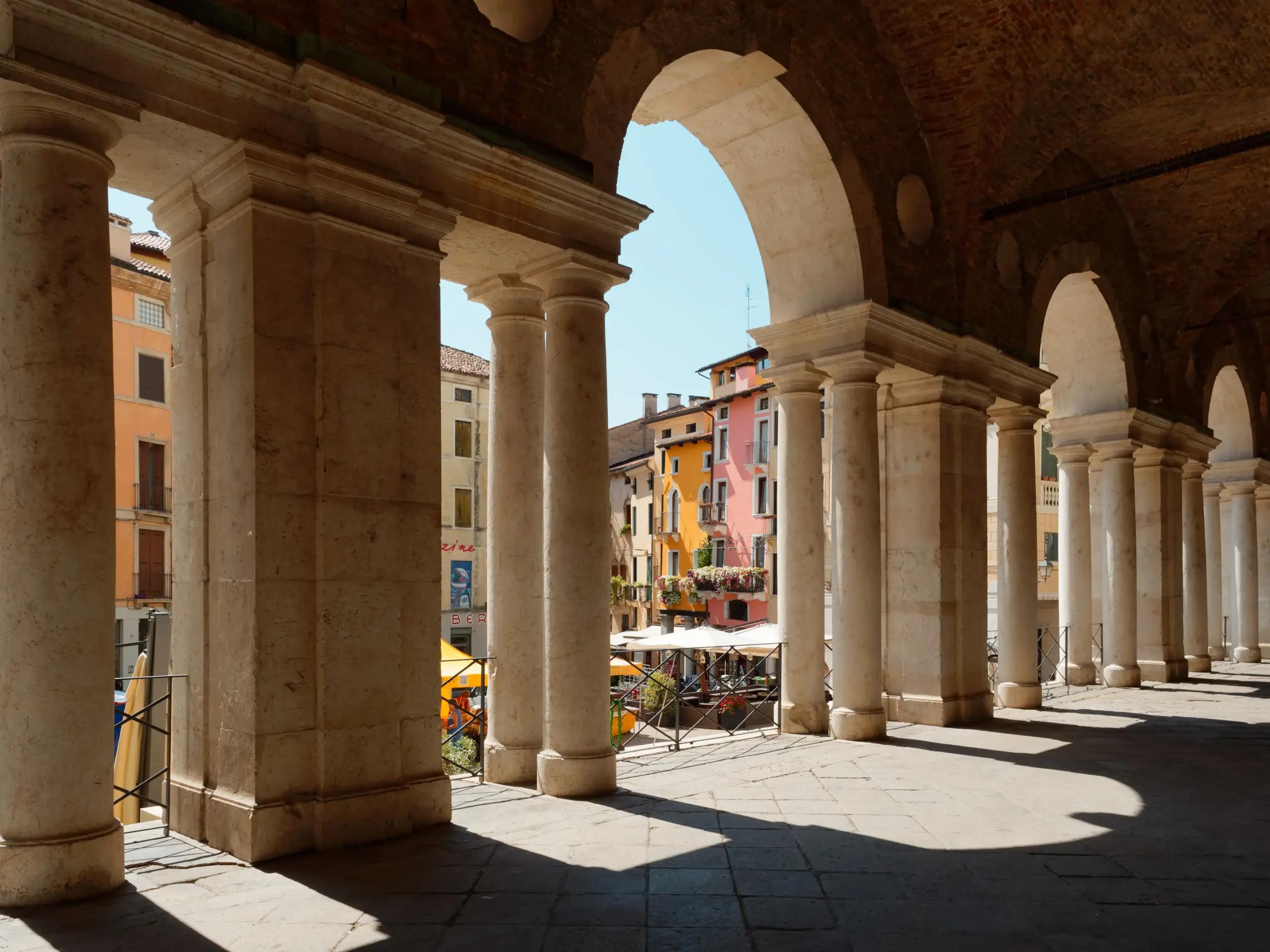
The Castello di Thiene is an architectural one-of-a-kind, blending features of a Gothic castle with those of a Venetian palace. Built in the fifteenth century, it houses frescoes by Zelotti and Fasolo in perfectly preserved halls complete with period furniture and paintings. The structure combined defensive functions with those of a Venetian casa-fondaco, serving as both residence and merchant warehouse. Villa Godi Malinverni in Lugo di Vicenza marks Palladio’s debut. The architect’s first documented work, it anticipates themes he would go on to develop in later creations. Villa Piovene Porto Godi in Lonedo has debated Palladian attributions, having been built at the same time and in competition with Villa Godi.
The Teatro Comunale in Thiene shines as an Art Nouveau masterpiece, while Villa Fabris hosts cultural events in elegant eighteenth-century halls. Thiene celebrates its mercantile origins with a re-enactment of the 1492 Mercato Franco, transforming the centre into a Renaissance market every two years. The villages of the Pedemontana preserve small country churches and frescoed oratories along cycling routes connecting the villas. Between Isola Vicentina, Malo and Zugliano, minor villas, historic farmhouses and old irrigation channels that once powered mills and workshops alternate across the landscape. Castelgomberto is home to Villa da Schio, an imposing noble residence surrounded by a centuries-old park.

The Chiampo Valley and its fossils

The Chiampo Valley and its fossils
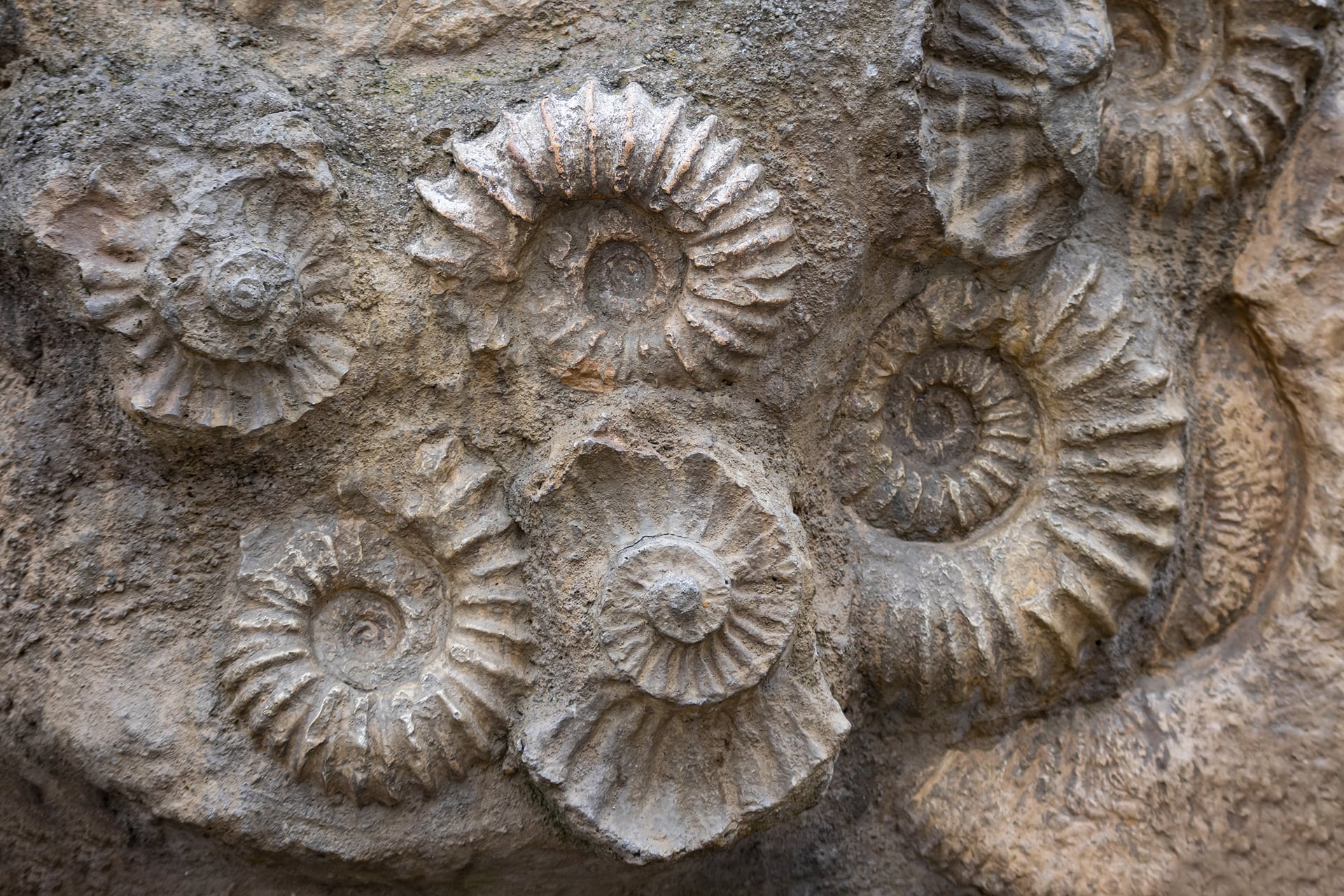
The Chiampo Valley is internationally known for its fossil deposits, which preserve marine evidence dating back 50 million years. When these hills were an ocean floor, fish, molluscs and corals lived in tropical waters: today their remains emerge from the limestone strata, offering scholars an extraordinary geological archive. The Archaeological and Natural History Museum in Arzignano displays paleontological collections of great scientific value, with perfectly preserved specimens telling the story of vanished ecosystems. Beyond its geology, the valley is also home to historic tanneries that have transformed Arzignano and neighbouring municipalities into one of Europe’s most important leather districts.
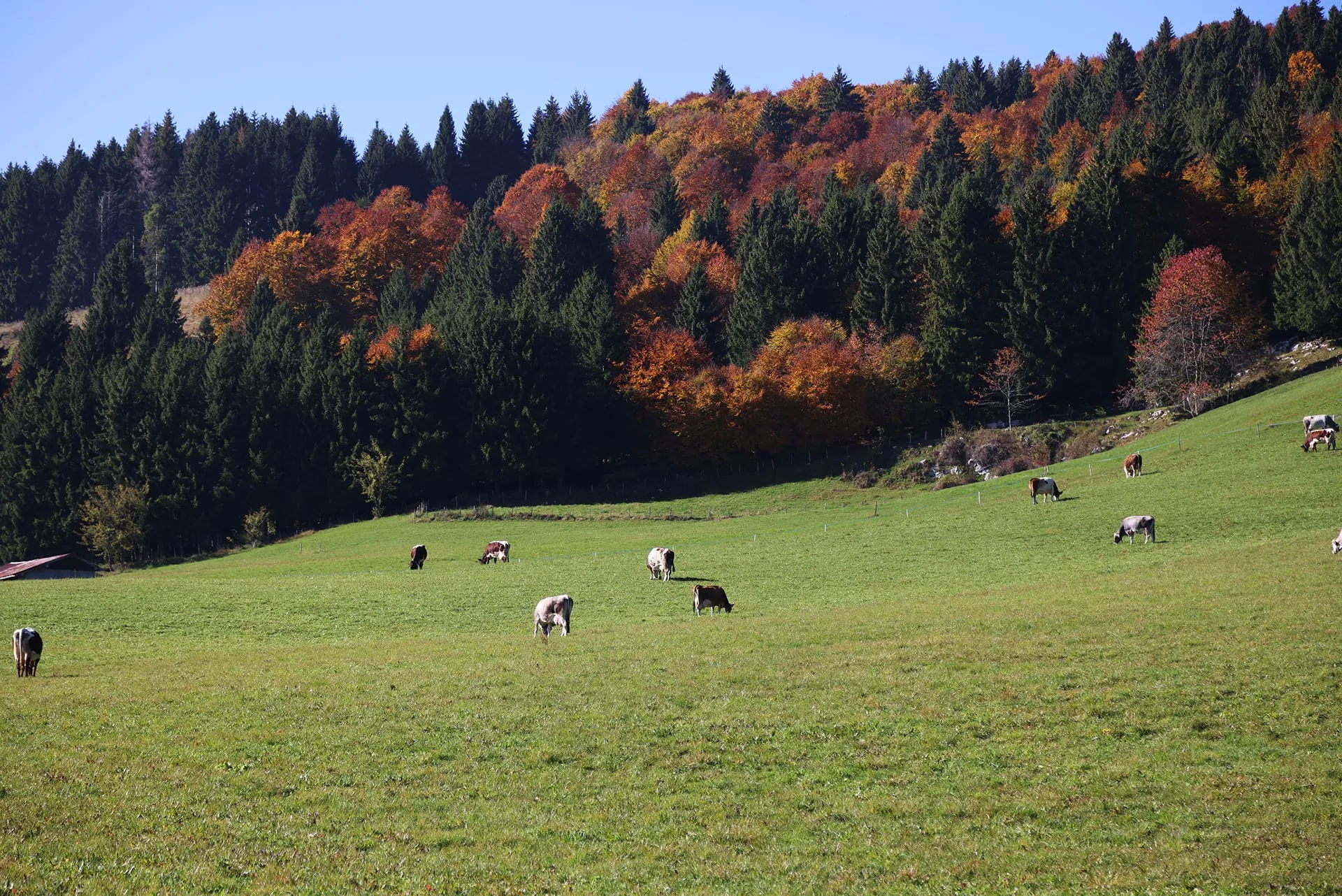
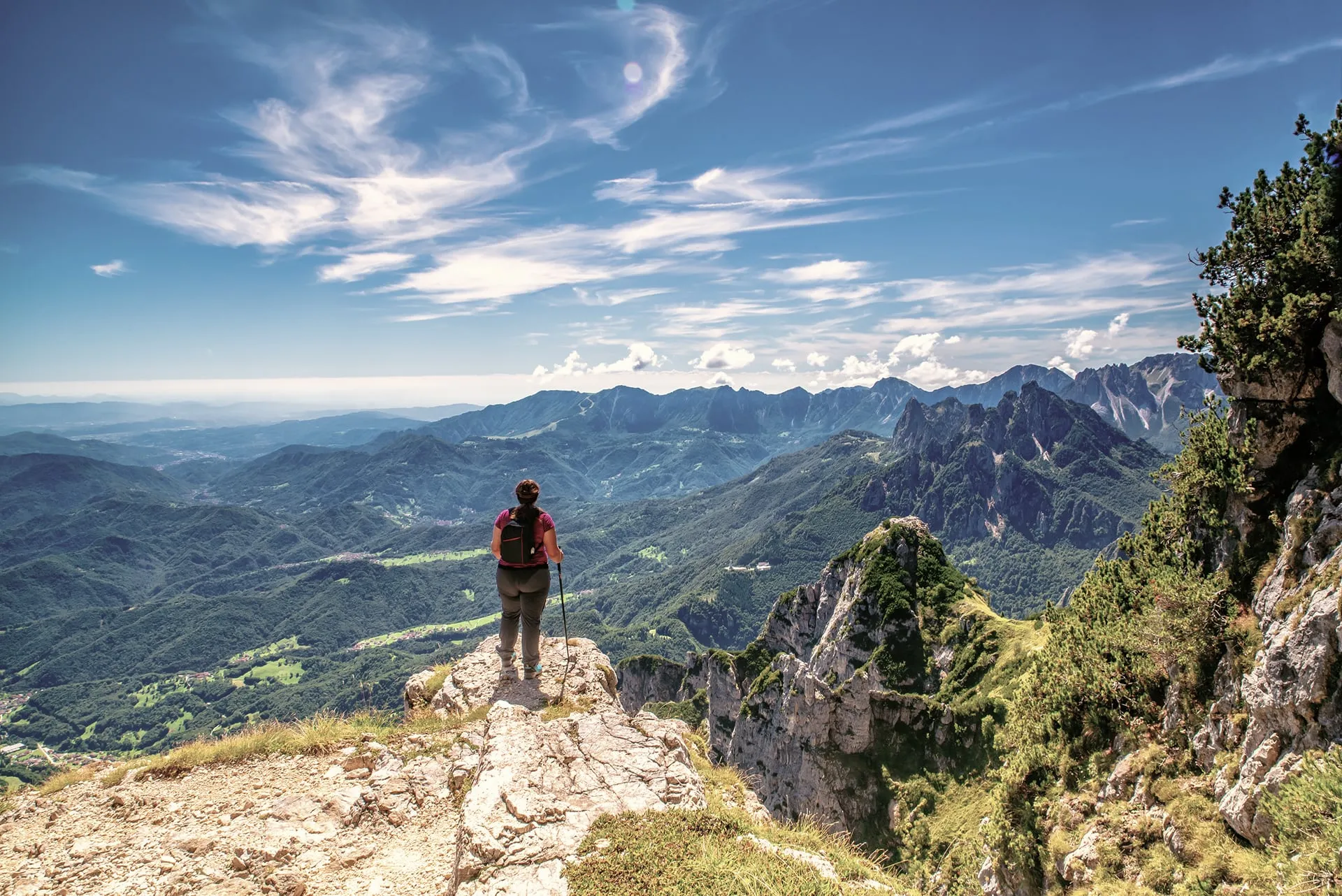
Industrial archaeology coexists with hillside landscapes planted with vines and olive trees, where small farms produce extra virgin olive oil with a distinctive character. Trails climbing towards the ridges offer sweeping views over the Vicenza plain and cross woods of hornbeam and downy oak. Local trattorias serve homestyle cooking, where baccalà alla vicentina, bigoli con l’arna and braised meats are prepared according to traditional recipes. The valley retains a strong identity, split between its industrial vocation and its still clearly visible rural roots.

Among the vineyards of Gambellara and the castles of Montecchio
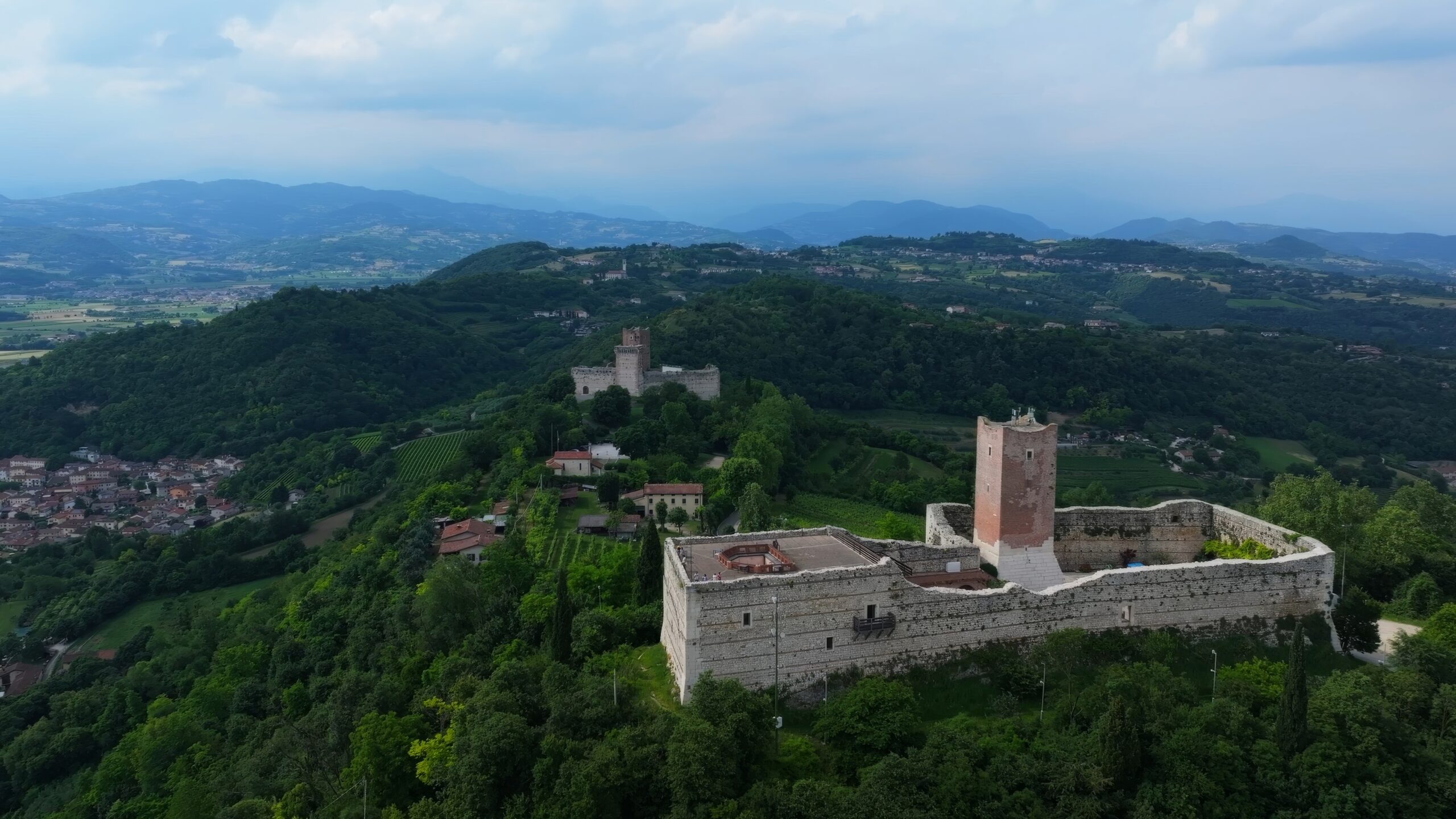
Among the vineyards of Gambellara and the castles of Montecchio
The hills of Gambellara form perfect geometric patterns with rows of Garganega producing mineral white wines and sweet Recioto, appreciated as far back as Roman times. The DOC zone extends across south-facing slopes, where volcanic soil gives the wines distinctive notes. Historic wineries open for tastings paired with local cheeses and cured meats, while agritourisms among the vineyards offer genuine hospitality with views of the Prealps. A few kilometres away, Montecchio Maggiore is home to two medieval castles that, according to tradition, inspired Shakespeare’s Romeo and Juliet: Castello di Bellaguardia and Castello della Villa dominate the valley from opposing rocky spurs.
The fortifications date back to the eleventh century and can be reached via panoramic trails crossing woods of hop hornbeam. On summer evenings, lively theatrical performances bring to life literature’s most famous tragedy. The surrounding area alternates industrial zones dedicated to knitwear and mechanical engineering with well-ordered countryside, where small farms grow cherries, asparagus and maize. Weekly farmers’ markets offer local, zero-kilometre produce and acacia honey produced in the hills. Its proximity to Vicenza makes this area easily accessible while still maintaining a more peaceful pace of life.