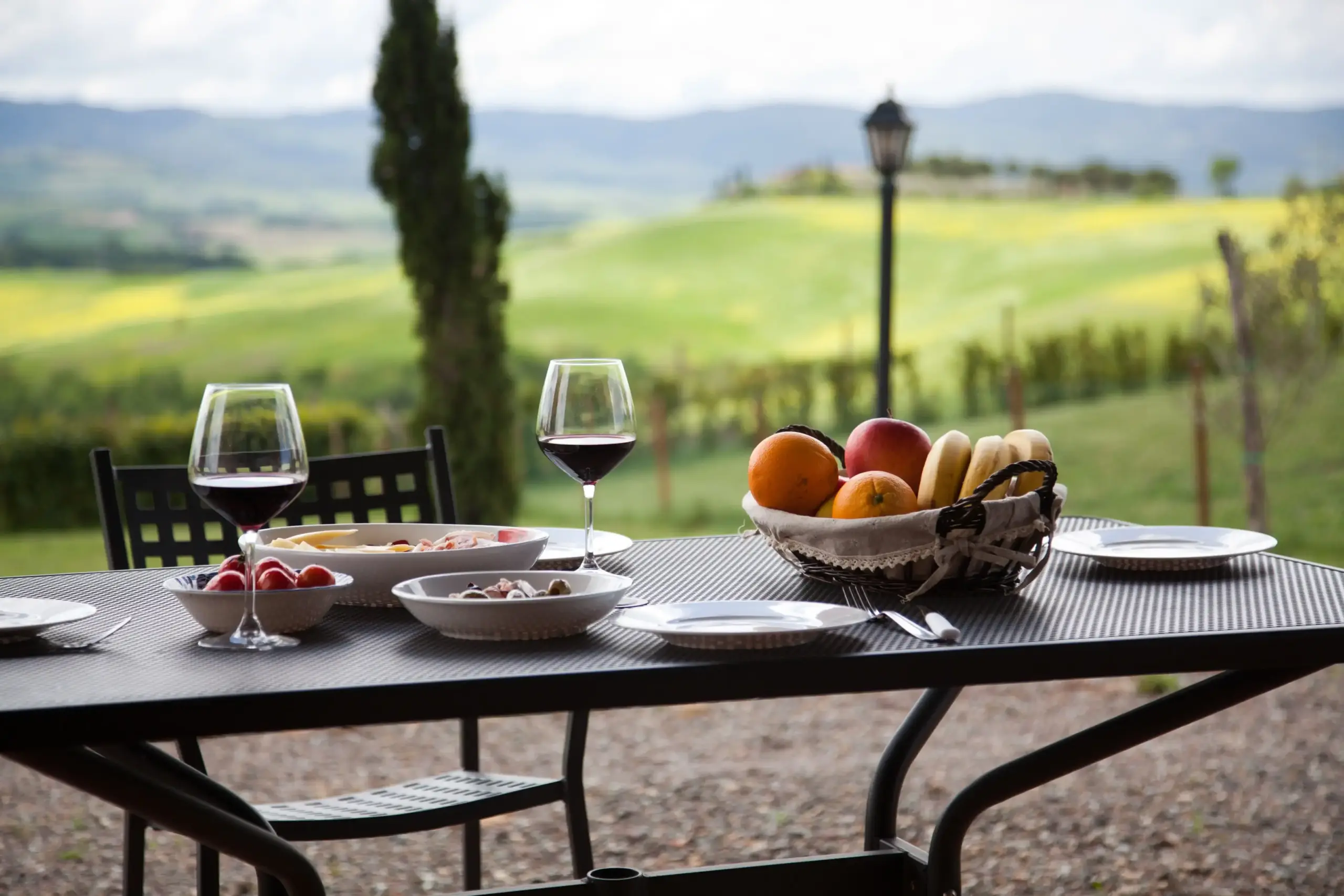
The city of Palladio, where beauty feels at home

From the Teatro Olimpico to the Basilica, Renaissance palaces and prestigious museums tell centuries of culture and beauty. A lively centre where history and contemporary life coexist with everyday ease.

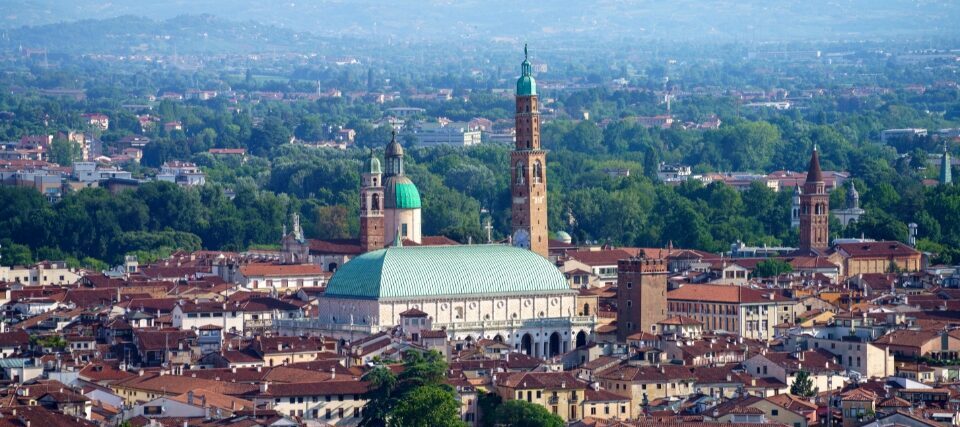
Monte Berico overlooks the city from above: the porticoed walkway climbs gently through villas and gardens up to the sanctuary, rewarding visitors with 360-degree views. Well-kept city parks offer a breath of greenery just steps from the historic centre. Palladian villas dot the surrounding hills, a living testament to the city’s UNESCO heritage. Vicenza lives a balanced dimension between culture and everyday life.

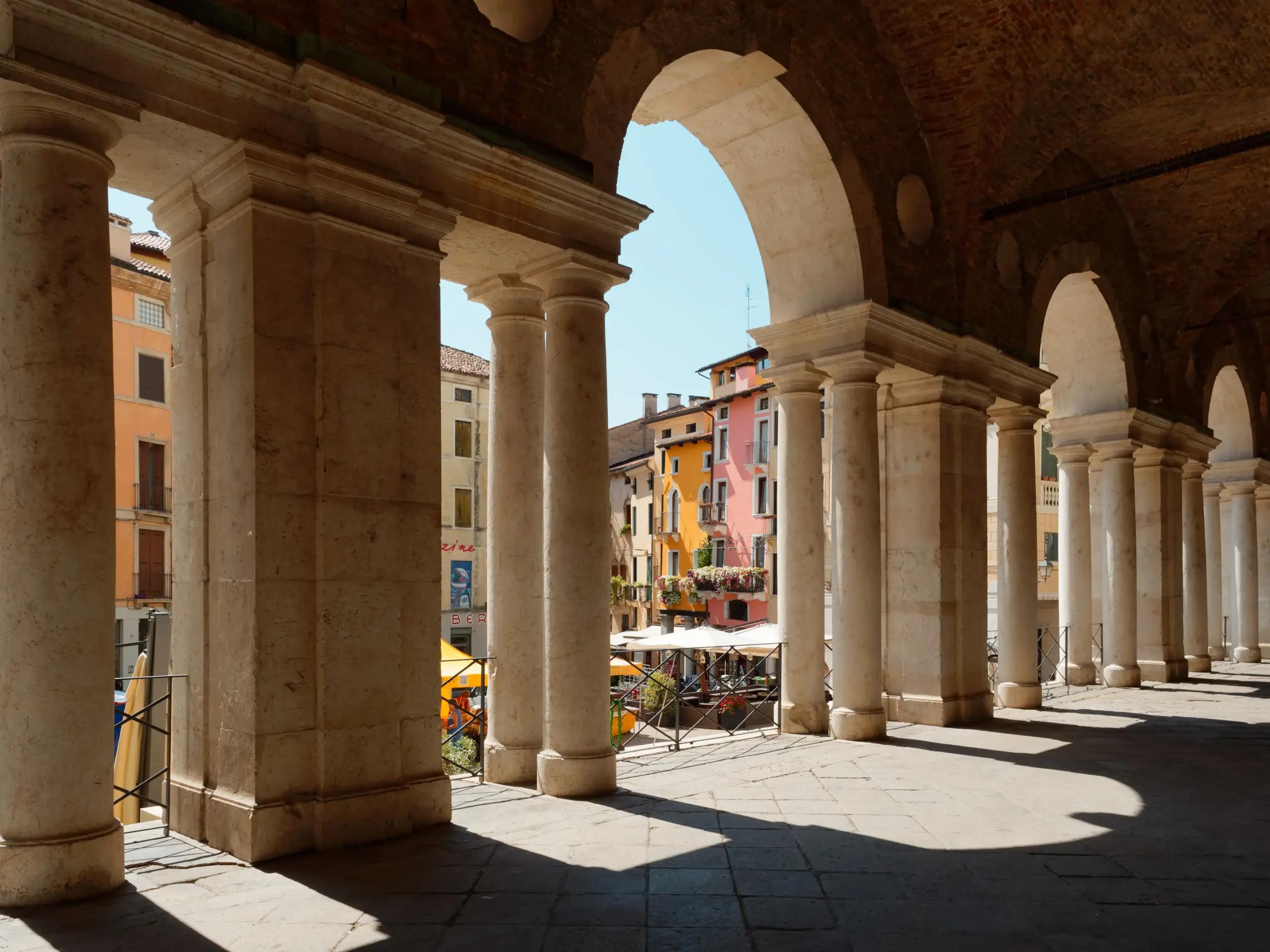
Shaded porticoes cross the centre, connecting noble palaces and historic shops. Squares come alive at aperitif hour with a relaxed rhythm where people still meet and know one another. Quality of life here is measured in details: lively weekly markets, independent bookshops, theatres. A human-scale city that has managed to preserve a strong identity.

Teatro Olimpico: masterpiece of the Renaissance
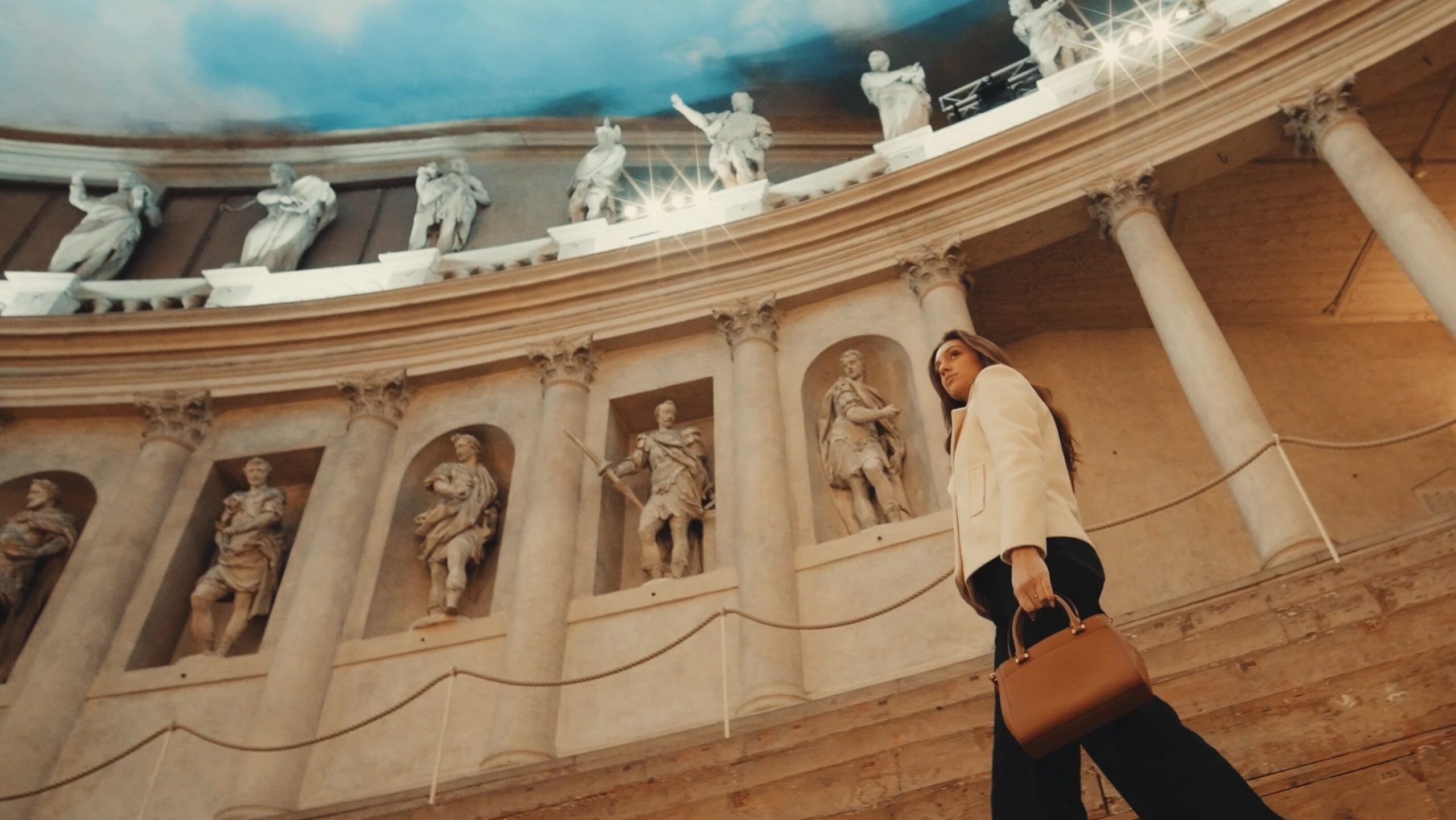
Teatro Olimpico: masterpiece of the Renaissance
The Teatro Olimpico represents Andrea Palladio’s last project, completed after his death by Vincenzo Scamozzi in 1585. It is the first permanent covered theatre of the modern era, built entirely in wood and stucco to imitate the stone architecture of ancient Roman theatres. The semicircular cavea seats spectators on steep tiered rows, while the proscenium is adorned with statues and columns framing the most celebrated fixed stage set in theatrical history. Scamozzi’s seven perspective streets create the illusion of roads receding into infinity, a perfect optical trick achieved through skilful slopes and architecture in decreasing scale.
The statues populating niches and balustrades represent Olympic academicians, the theatre’s patrons who wished to celebrate classical culture at the height of the Venetian Renaissance. Even today the theatre hosts performances and concerts, keeping its original function alive. The natural acoustics, designed according to Vitruvian principles, allow every word to be heard without amplification. Visiting it means stepping into a humanist dream where architecture, perspective and culture merge into a total sensory experience. A UNESCO World Heritage Site since 1994, it remains one of the most photographed and studied monuments in the world.

The Basilica Palladiana

The Basilica Palladiana
The Basilica Palladiana dominates Piazza dei Signori with its Renaissance loggias wrapping around the pre-existing Gothic palace. Palladio won the competition in 1546 with a brilliant design: the rhythmic Serlian windows, alternating arches and columns, create an extraordinary effect of lightness, transforming a medieval building into a Renaissance icon. The white Piovene stone cladding reflects light with varying intensity throughout the day, making the Basilica lively and ever-changing. The panoramic terrace, accessible via the jewellery museum, offers aerial views over the historic centre and the terracotta rooftops stretching all the way to the hills.
On the ground floor, the exhibition hall hosts contemporary art and design shows, keeping the space in constant use. The square in front is the beating heart of the city: a twice-weekly market, summer concerts and evening aperitifs all take place in the shade of the loggias. The inverted-ship-hull roof, rebuilt after the bombings of the Second World War, reaches 30 metres in height. Palladio never saw his most celebrated work in the city completed: construction continued for decades, testifying to the collective ambition of a community that wanted to affirm its prestige through architecture.

The historic centre and its palaces and parks
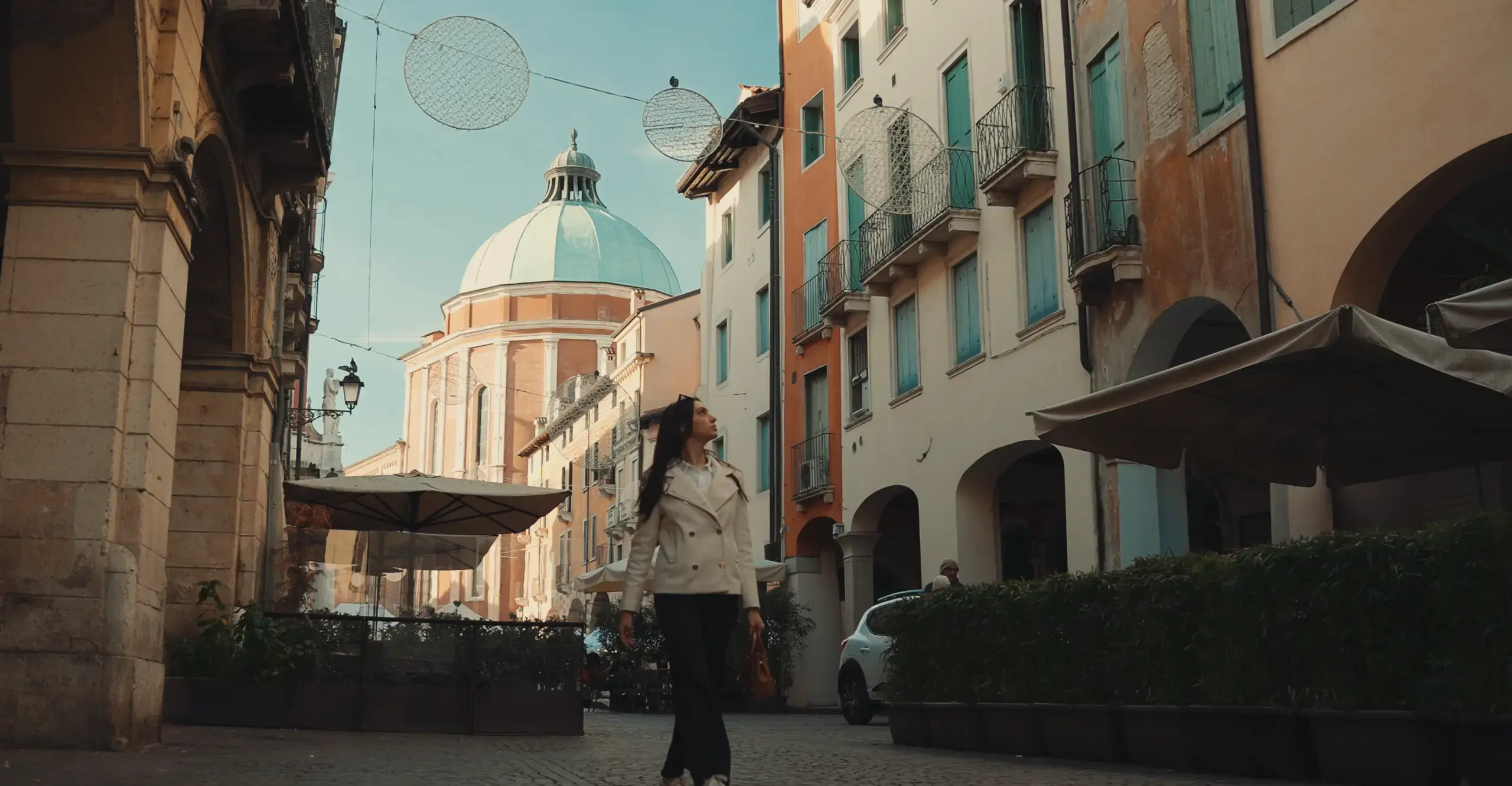
The historic centre and its palaces and parks
Corso Palladio crosses the historic centre from Piazza Castello to Piazza Matteotti, lined with noble palaces displaying Renaissance, Gothic and Baroque façades. Palazzo Chiericati, Palazzo Barbaran da Porto, Palazzo Thiene: each building tells a story of aristocratic patronage and the constant presence of Andrea Palladio, who shaped Vicenza’s architectural identity. The covered porticoes allow for strolling sheltered from rain or sun, creating an urban layout designed for those who want to experience the city on foot. The Salvi Gardens offer a green lung just steps from the centre: small lakes, little bridges and flowerbeds cared for in the nineteenth-century romantic style. In summer, free concerts liven up the evenings, while in winter the park keeps a peaceful atmosphere enjoyed by families and sports enthusiasts.
Parco Querini, larger and more elaborate, preserves an English-style layout with winding paths, fountains and neoclassical statues. Smaller squares such as Piazza delle Erbe and Piazza Biade retain an intimate scale, where historic bars serve spritz and coffee under medieval porticoes. The Torre Bissara has marked the hours since 1174, while the Loggia del Capitaniato, the last completed Palladian project, closes Piazza dei Signori with a perfect scenic backdrop. Walking through Vicenza means crossing centuries of architectural layering that remain perfectly legible today.

Food and wine: tradition and conviviality
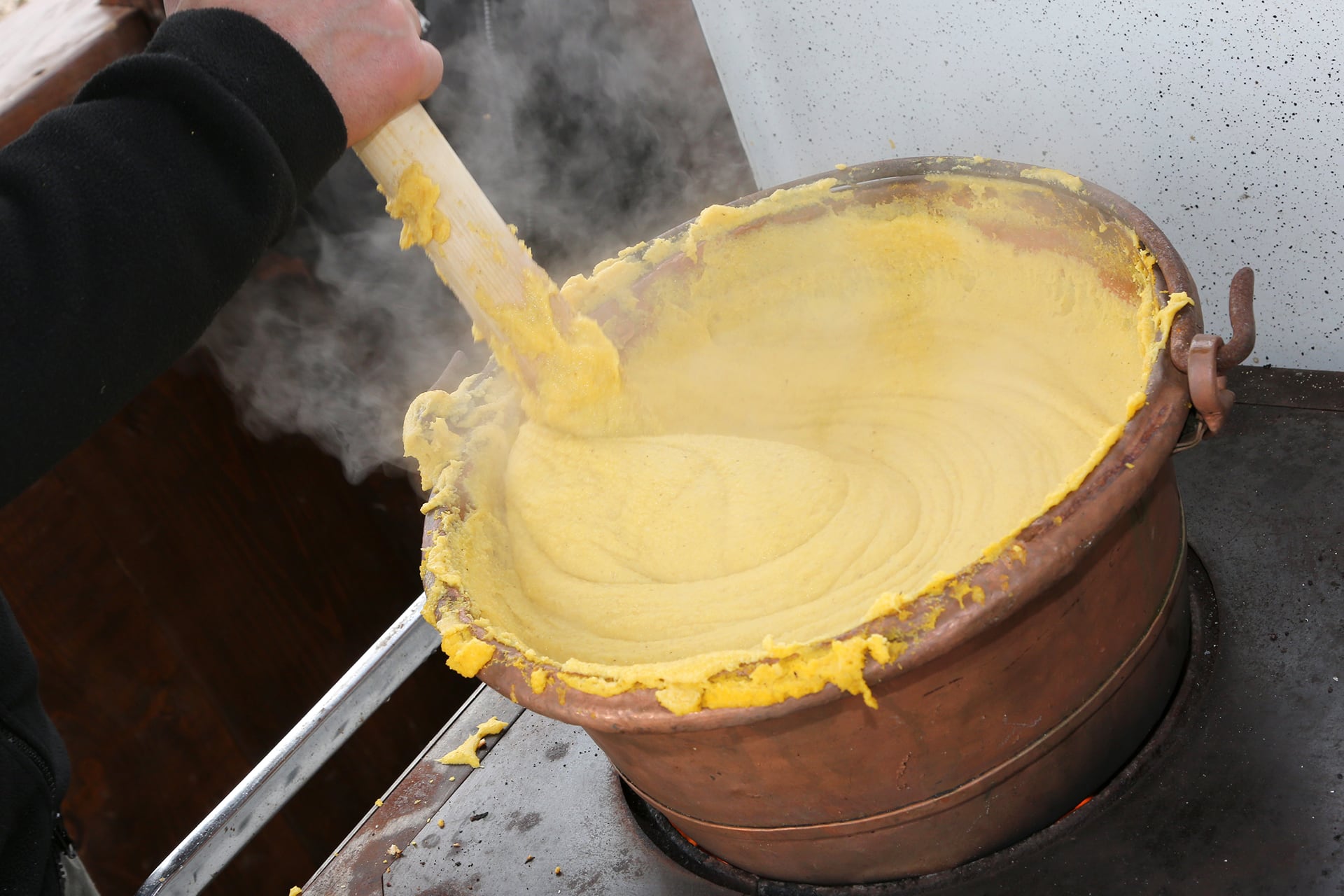
Food and wine: tradition and conviviality
Vicenza has turned baccalà alla vicentina into a culinary institution recognised throughout the Veneto region. The traditional recipe calls for beaten stockfish, milk, oil, onion and anchovies, slow-cooked to transform the northern fish into a creamy, savoury dish. Historic trattorias in the centre serve it alongside soft polenta, while family-run osterie offer personal variations passed down through generations. Cicchetti liven up aperitif hour: small portions of creamed baccalà, saor-style sardines, meatballs and vegetables preserved in oil accompany a spritz or a white wine from the Colli Berici. The Venetian tradition of bacari is reinterpreted here with local products and a more intimate atmosphere, where people still know one another and greet each other from table to table.
The culture of quality raw ingredients runs deep in this province: carefully selected produce, recipes respectful of the seasons, a constant pursuit of excellence. One example of this cuisine is Carlo Cracco, who took his first steps right here in Vicenza before bringing this culinary philosophy to some of Italy’s most celebrated kitchens. The city lives at a slow pace, where lunches and dinners are important social moments. Weekly farmers’ markets supply home kitchens, while carefully curated wine bars showcase labels from the surrounding hills. Quality of life here also passes through the table, where tradition and contemporary life coexist without conflict.

Palladian villas: UNESCO heritage among the hills
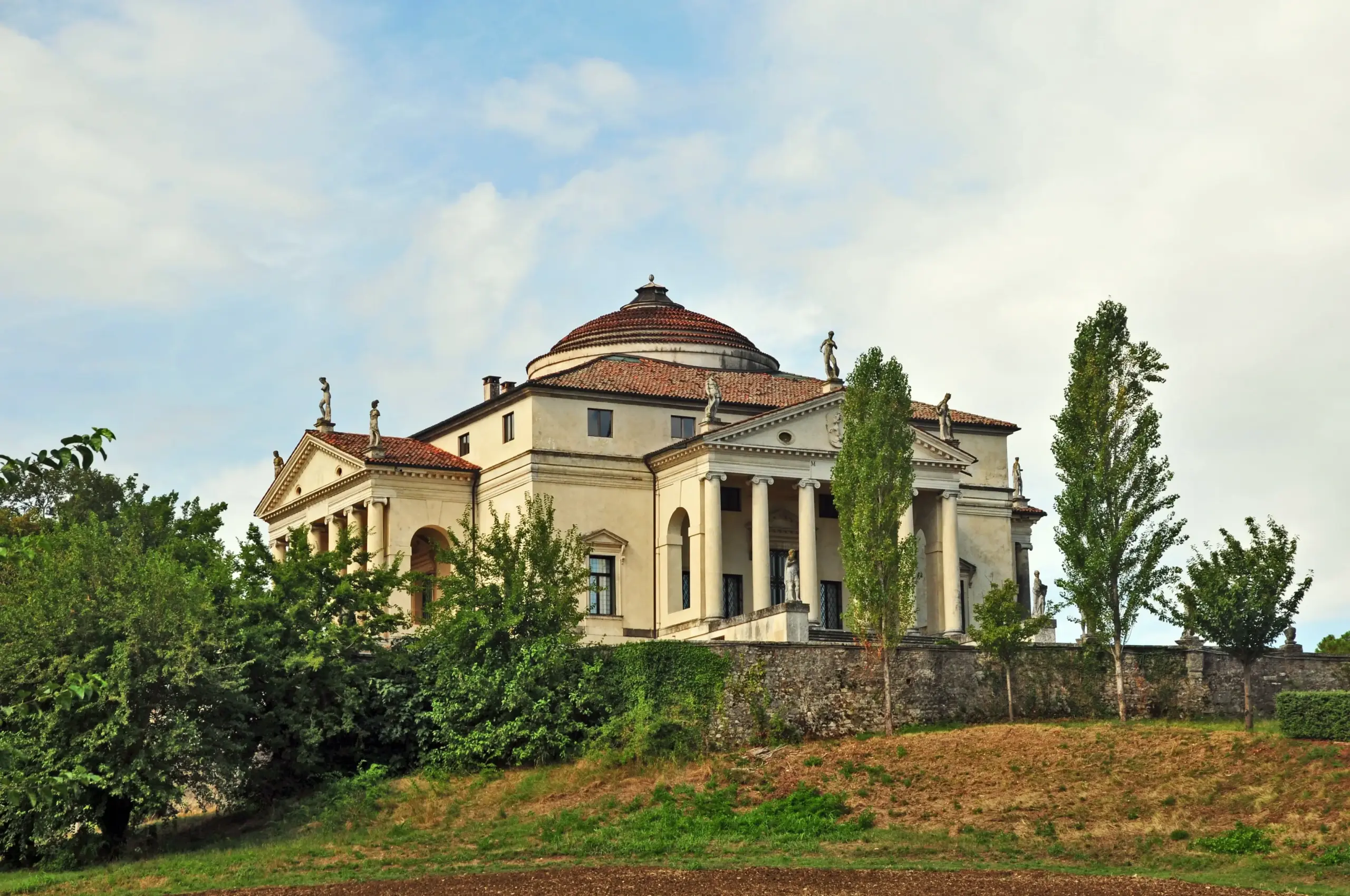
Palladian villas: UNESCO heritage among the hills
The Venetian villas scattered across the Vicenza countryside complete the Palladian story that began in the city. Villa Almerico Capra, known as La Rotonda, distils into a Greek-cross plan the Renaissance ideal of harmony between architecture and landscape, inspiring generations of architects worldwide. Villa Godi in Lonedo, the first work signed by Andrea Palladio, tells the story of a genius still in his early years.
In 1996, UNESCO extended the recognition already granted to the historic centre of Vicenza, including 24 Palladian villas scattered across the Veneto region, for a total of 25 components that tell a single story: the villa-temple as a place of power, culture and beauty. Many villas can be visited all year round, with gardens, frescoes and reception halls that bring back to life the splendour of the Venetian nobility’s country retreats.