Public transport
The best way to reach Vicenza and its province is by public transportation (train and bus). Traveling without your own vehicle is a great way to avoid traffic on the main roads and restrictions in historic areas.
 By train
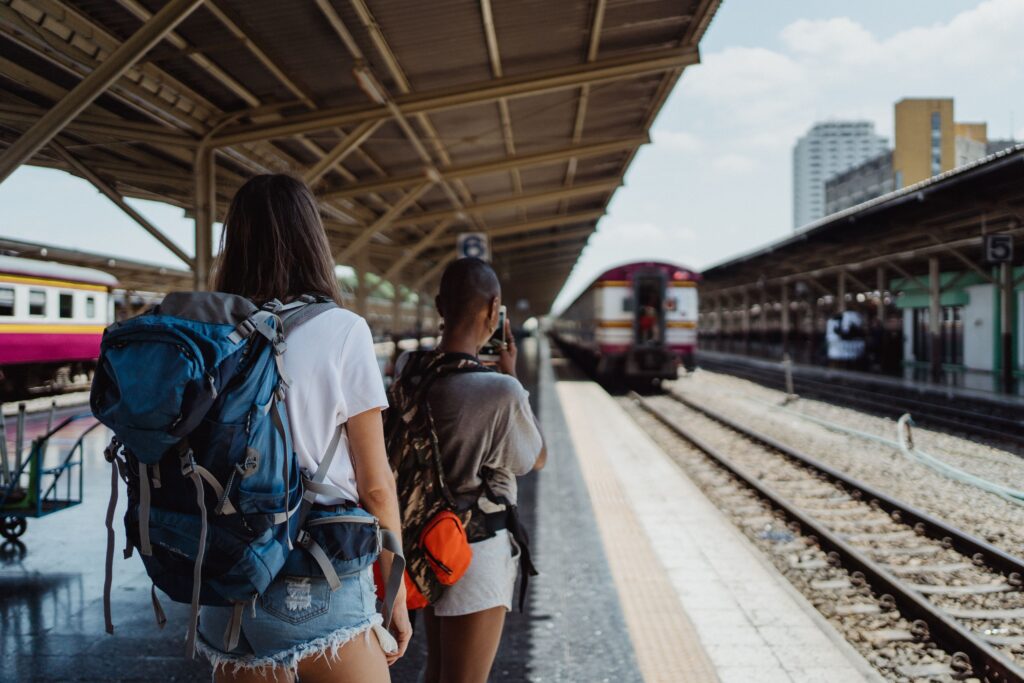
Vicenza is a key stop on the Milan-Venice railway line. Vicenza’s central station is located on the edge of the historic center (Viale Milano) and is constantly served by high-speed trains. There are also extensive regional connections connecting Verona, Padua, and Treviso. For those coming from Northern Europe, the Valsugana line directly connects Trento with Bassano del Grappa, offering a picturesque gateway to the province.
 By plane
Although Vicenza doesn’t have its own airport, it is surrounded by three international airports. Venice Airport (VCE) is the largest and offers the widest range of intercontinental flights; it is connected to Vicenza by bus to Mestre station and then by train. Verona Airport (VRN) is the closest and most convenient for those arriving on low-cost flights or seasonal charters. Treviso Airport (TSF) is a hub for low-cost airlines and is about an hour away by car or train.
By car or motorbike
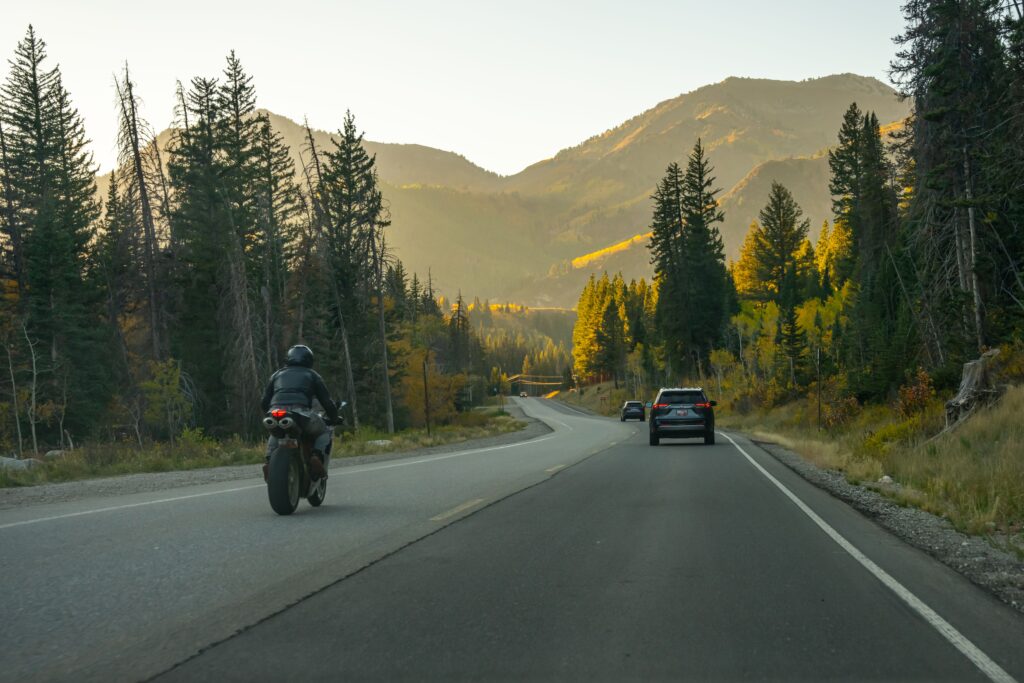
The car remains the most flexible means of exploring the foothills or the Palladian villas scattered throughout the countryside, but it requires attention to signage and local regulations.
 Use the highway
The Vicenza Ovest (convenient for the trade fair) and Vicenza Est junctions are the main entry points. The A31 “Valdastico” motorway is the vertical axis: heading south, it descends towards the Lower Vicenza area, then quickly leads north, ending at the foot of the Asiago Plateau.
 Scenic road
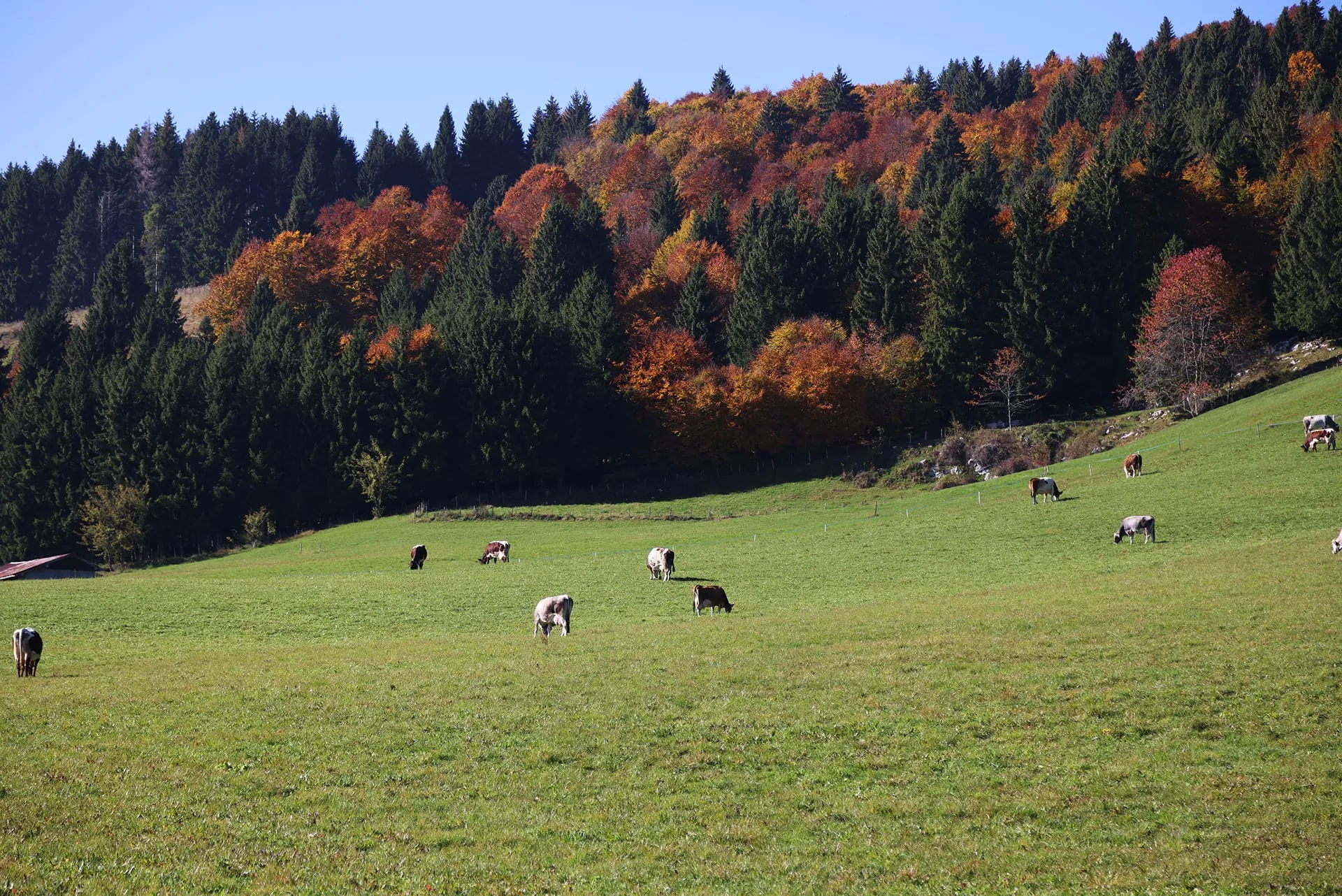
If you’re not in a hurry, Regional Road 11 (SR11) follows the route of the historic Via Postumia. The climb up to the Asiago Plateau via SP349 (Costo) offers 10 spectacular hairpin bends with views of the plain. The Berici Hills area, on the other hand, is a labyrinth of secondary roads nestled among olive groves and vineyards, ideal for motorcycle touring.
 Where to park
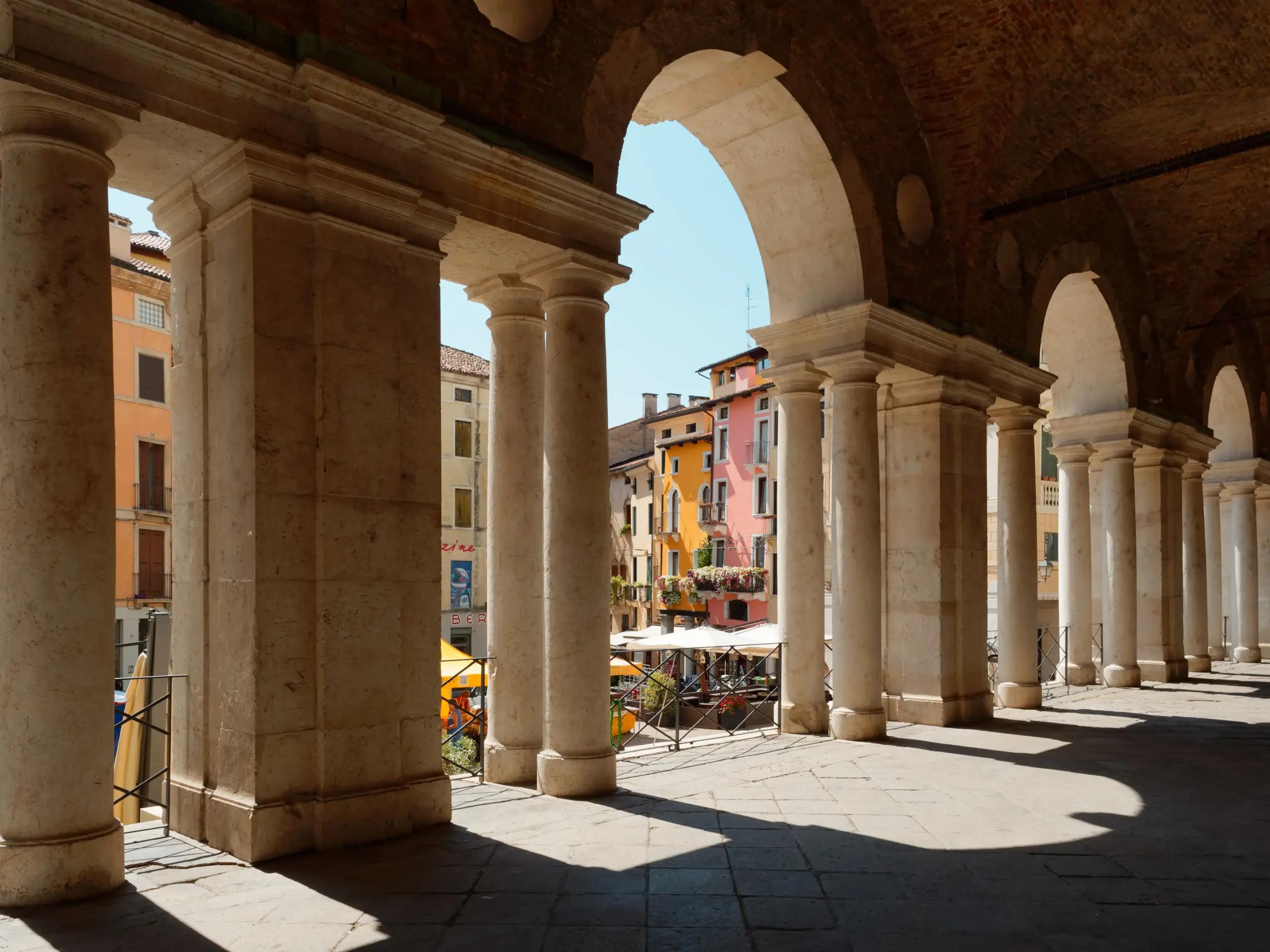
Almost all of the province’s historic centers (Vicenza, Bassano, Marostica, Lonigo) have a limited traffic zone (ZTL) protected by cameras. We recommend always opting for the “Parcheggi Centro Bus” (Center Bus Parking): you can leave your car in large parking lots outside the city center and, with a very economical integrated ticket, you’ll receive a ticket for the shuttle bus that takes you directly to the square.
Some advice
For a stress-free experience, it’s a good idea to keep in mind some operational details specific to the area.
 Plan ahead
Downloading the SVT Vicenza or Moovit app is essential. With these apps, you can purchase tickets directly with a credit card, avoiding the hassle of finding an open tobacconist (which is often closed during the afternoon lunch break or on Sundays).
 Cycle tourism
Many regional trains on the Vicenza-Schio or Vicenza-Treviso lines are equipped to transport bicycles. This allows you to take one-way trips by bike and return comfortably by train.
 Opening Hours per Season
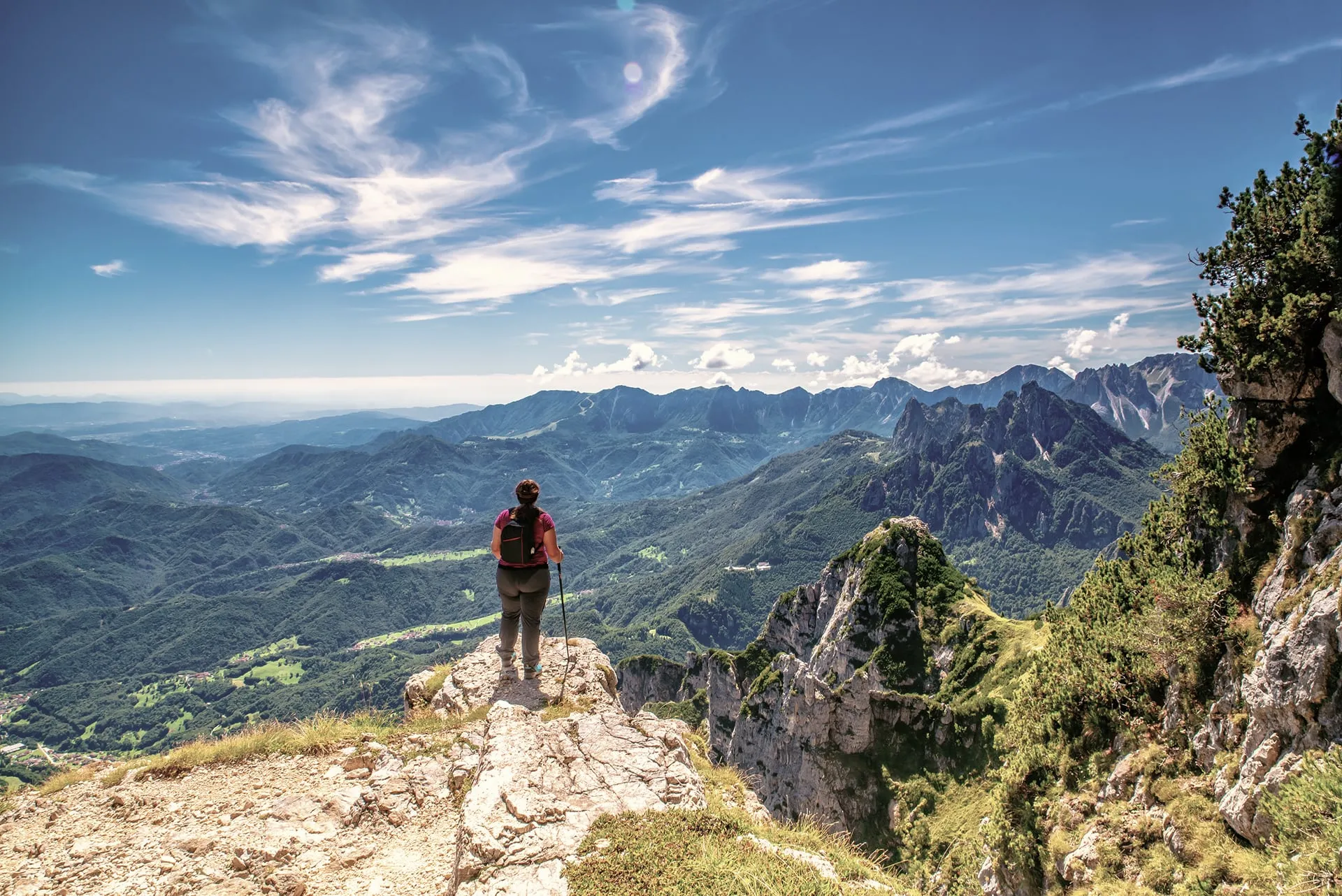
During the winter, roads leading to the Little Dolomites or the Plateau require snowmobiles. On summer weekends, roads leading to the mountain areas can be very crowded: it’s best to travel early in the morning to avoid traffic jams.